SEO Trends for 2026: Staying Ahead of the Curve
SEO trends define the strategies that drive organic visibility on search engines—and in 2026, these trends are shifting faster than ever. Mastering the newest SEO trends means staying visible, competitive, and at the top of Google’s ever-changing results. But if you feel like every time you crack the code, the algorithm throws you a curveball, you’re not alone.
Consider this: Over 90% of all content online gets zero organic traffic from Google. Imagine spending hours fine-tuning meta tags, researching keywords, optimizing every page—only to see your traffic flatline or even plunge. It’s not just frustrating; it can feel like your entire SEO playbook went obsolete overnight. What worked six months ago isn’t moving the needle today. And with 2026 promising even more dramatic shifts—from AI-written content flooding the web to EEAT factors redefining authority, to branded search queries carrying unprecedented weight—you’re left scrambling to figure out what really works.
The hard truth? The old approach of keyword stuffing, chasing backlinks, or leaning on basic technical tweaks is no longer enough. If you’re tasked with proving ROI for SEO, generating reliable traffic, or finding tactics that actually win, you need a playbook built for 2026—not one stale update behind. This is your chance to cut through the noise and pinpoint what will truly matter in the coming year.
Get ready to look at the biggest changes redefining SEO, understand why traditional methods are falling short, and discover which emerging tactics are already proving their worth. The pressure is high, but so are the rewards for those who adapt first. Ready to see what separates SEO winners from the rest in 2026? Let’s break down the trends that will put you ahead—starting with why this year is the true tipping point for search.
Why 2026 is a Pivotal Year for SEO
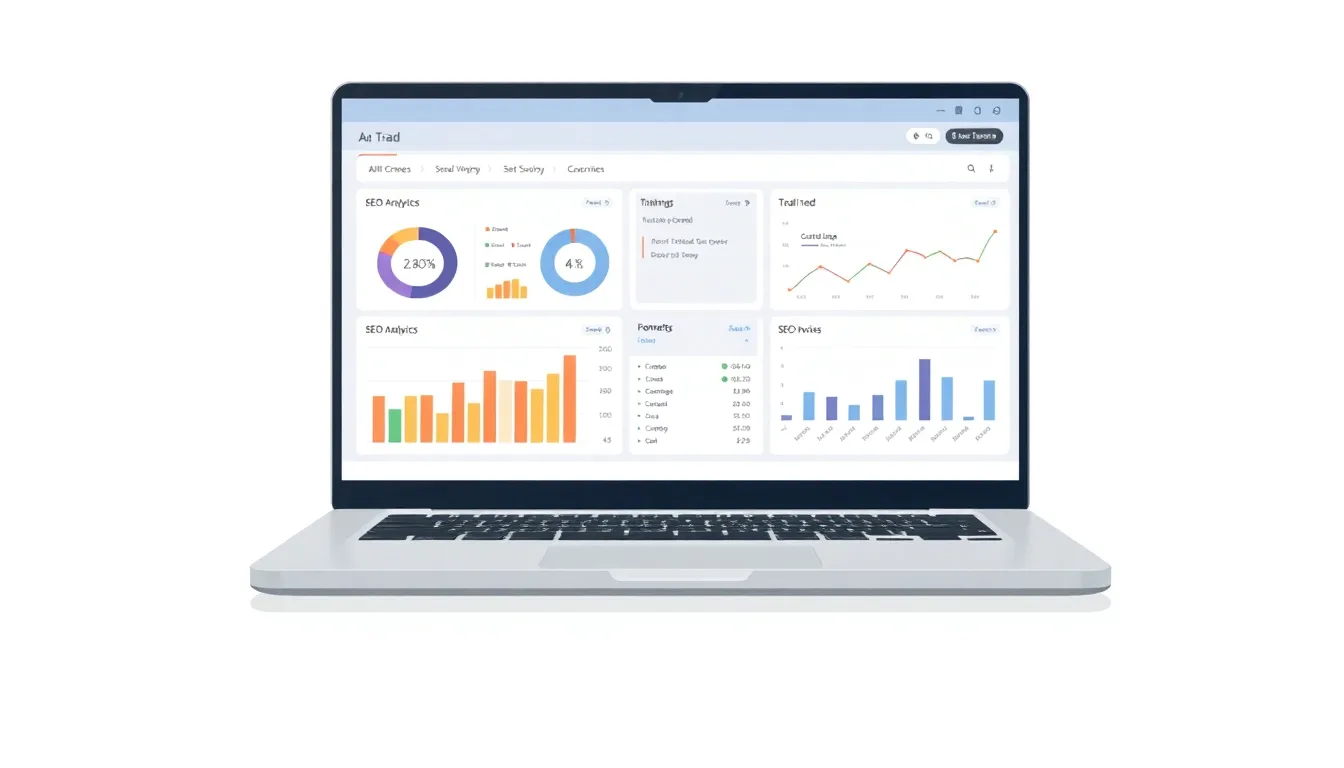
2026 is shaping up as a turning point for SEO, and ignoring the shifts could put your entire digital growth at risk. The headline? AI-driven search queries have surged by 30% this year alone, transforming how you need to plan, execute, and scale SEO strategies [marketermilk.com].
How AI is Redrawing the SEO Playbook
Old-school SEO isn’t dead, but it’s no longer the headline act. AI now drives a significant chunk of search traffic, producing results that are more conversational, more personalized, and harder to game.
Key stat: AI-powered queries are up 30% in 2026. If you’re not adapting, you’re giving ground to competitors every month [marketermilk.com].
Gone are the days when peppering high-volume keywords onto landing pages was your golden ticket. These newer AI search systems analyze page context, EEAT (Experience, Expertise, Authoritativeness, Trustworthiness), user intent, and actual engagement signals. Brands still clinging to keyword stuffing? They’re already sliding down the rankings.
Brands Betting Big on AI: Shopify’s Strategy
You don’t need to look far for winners in the new search landscape. Shopify, for example, ramped up its AI content optimization in early 2026. Instead of chasing broad keywords, they laser-focused on question-based content and used machine learning to structure pages for both traditional and AI-powered search engines.
Shopify’s move boosted search visibility for long-tail, product-specific queries and helped them win featured AI summary snippets far ahead of old-school, link-heavy competitors.
This isn’t limited to tech giants. Niches from SaaS to e-commerce are seeing massive returns just by putting AI optimization front and center.
Traditional, AI-Driven, or Hybrid SEO? Here’s How They Stack Up
There’s a fundamental shift underway:
| Features | Traditional SEO | AI-Driven SEO | Hybrid SEO |
|---|---|---|---|
| Primary Focus | Keyword targeting | User intent, semantics, context | Integrated: keywords + semantic structure |
| Optimization | Manual research, backlinks | Automated insights, NLP, search behavior analysis | Combines automation and human expertise |
| Tools Used | Google Search Console, Ahrefs, SEMrush | Auto SEO software, NLP content generators | Both tool types (e.g., auto SEO + analytics) |
| Winning Tactics | Link building, title/tag tweaks, meta updates | Conversational content, structured data, EEAT | Real-time monitoring & adaptive strategies |
| Pitfalls | Over-optimized, keyword obsessed | Costly/complex tools, “black box” results | Higher setup time, but compounding returns |
| ROI | Slow growth, easier for legacy brands | Faster impact, scalable, but steeper learning curve | Compounding growth, best of both |
A pure traditionalist misses relevance. AI-only gets lost if you don’t sanity-check outputs. Hybrid strategists? They’re eating everyone’s lunch.
Action Step: Audit with Bias Toward AI Optimization
It’s not enough to follow trends — you’ve got to act now.
Here’s what brands are doing to catch up:
- Auditing old content for EEAT and conversational readability, not just keyword volume
- Testing auto SEO tools that dynamically optimize on-page markup and identify ranking opportunities nobody’s noticed
- Building a modern SEO strategy planner that prioritizes semantic structure alongside traditional elements
Key takeaway: If you’re not already including AI-driven methods in your SEO planning, you’re falling behind—by algorithmic leaps, not slow inches.
Many marketers still haven’t wrapped their heads around pagination SEO and how large content libraries interact with AI ranking systems. If you’ve ignored page structure and crawl patterns, now’s the time for a hard look.
The bottom line? 2026 isn’t just “another year in SEO.” It’s when the rules changed—fast, and for good. Brands willing to embrace AI-driven and hybrid SEO aren’t just staying ahead… they’re widening the gap. For those hoping to coast on old rankings, it’s a recipe for visibility collapse.
For a deeper dive into exactly which tactics are working (and which are a waste of time), check out the latest analysis from Search Engine Journal.
How Does EEAT Dominate SEO Rankings in 2026?

Imagine waking up to find your top-performing landing pages buried on page five, traffic graphs nosediving, and your ad budgets suddenly looking a lot less optional. Welcome to the new 2026 search landscape. This isn't a blip—it's a seismic shift—and EEAT is the epicenter.
The truth: EEAT (Experience, Expertise, Authoritativeness, Trustworthiness) now decides who rises and who disappears in the search results. Even a decade ago, insider SEO circles warned of its growing influence. Fast-forward to this year, and you’ve got hard numbers: EEAT now tips the scales on about half of page one rankings, with 50% of search results weighted by Google's EEAT criteria marketermilk.com.
Why is EEAT Driving SEO in 2026?
EEAT isn’t just a Google guideline anymore—it’s the litmus test for whether your content deserves attention or oblivion.
Automated content is everywhere, turbocharged by AI. That means searchers are inundated with bland, regurgitated copy. Google’s algorithm updates in 2026 didn’t just nudge EEAT forward; they put it on a pedestal. If your content can’t prove its credibility—or worse, if it tries to game the system—the algorithm will bulldoze it overnight.
This is a huge mistake: treating EEAT as a buzzword. Brands that ignore it are hemorrhaging rankings to competitors who invest in real expertise and transparent sourcing.
EEAT works because it’s what people actually want. You’re not just trying to impress the algorithm—you’re proving to skeptical humans that your advice is trustworthy and your data is real. That’s what gets clicks now. And with search AIs increasingly summarizing results above the fold, anything less than transparent expert content gets lost in the shuffle.
What Does an EEAT-First SEO Audit Look Like Right Now?
Start with the basics: every critical piece of content needs clear author attribution. No exceptions. Who wrote it? Do they have experience in this field? Are professional credentials—and real-world knowledge—displayed with every recommendation? In 2026, faceless publishing is SEO malpractice.
But it goes deeper. Citing reputable sources, providing transparent data, and linking to authoritative studies are table stakes. If you’re throwing out stats, make sure those numbers trace back to peer-reviewed research, industry benchmarks, or reputable third-party insights. Half-baked data will tank trust and get your page flagged by increasingly aggressive search quality systems.
Take a hard look at user-first signals. Are you putting up walls for Google and humans by over-optimizing for keywords at the expense of clarity? The days of stuffing “seo planning” or “auto seo software” into every sentence are over. Instead, content should directly answer questions, provide firsthand perspective, and acknowledge ethical considerations—especially in technical niches or regulated industries.
The Bottom Line: EEAT Is the Gatekeeper Now
If you want your site to survive these algorithmic earthquakes, you need a relentless focus on EEAT at every stage of your SEO strategy planner. From onboarding freelance writers to reviewing legacy blog posts, the new reality is clear: EEAT has become the single biggest lever for sustainable, compounding search growth in 2026 searchenginejournal.com.
Foundational trust-building isn’t optional. Audit your content with EEAT in mind, ruthlessly prune anything sub-par, and invest in building real expertise on every page. This is the only playbook that works right now—just check the wreckage in your niche for brands who chose shortcuts.
If you're still hoping Google will blink first, here's the wake-up call: 68% of marketers already expect even more disruptive algorithm changes by year's end, with EEAT only strengthening its grip on rankings envisionitagency.com.
Don't wait for the next drop. Your competitors aren’t.
What Are the Best Branded Search Tactics for 2026?
Branded search is no longer just an afterthought in SEO strategy—it's dominating the conversation, with branded searches up 40% year-over-year (trends.google.com). Customers are skipping the generic queries and heading straight to brands they trust.
The bottom line: Branded search is the fastest way to boost visibility, authority, and customer loyalty in 2026. Direct queries like "Nike shoes" or "Slack pricing" signal not just high intent, but built-in trust—and the search engines know it.
Why Is Branded Search Surging in 2026?
Consumers have gotten savvier. Bombarded by generic noise, they're laser-focused on brands that have earned credibility. Google’s own data shows these user journeys converting at up to 3x the rate of non-branded searches. And with search engines prioritizing EEAT (Experience, Expertise, Authoritativeness, Trustworthiness), branded queries are practically an SEO shortcut for engagement and retention (searchenginejournal.com).
Brands that invest here aren't just chasing clicks—they're stealing market share.
Branded Search vs Generic Tactics: What’s Working Right Now?
Not all search strategies pull the same weight. Here’s exactly how branded search tactics outperform generic tactics for brands serious about growth:
| Tactic | Branded Search | Generic Search |
|---|---|---|
| Click-through Rate (CTR) | 45-60% | 2-6% |
| Conversion Rate | Up to 28% | 3-10% |
| Cost-per-Click (CPC, ads) | $0.65 avg | $2.10 avg |
| Customer Retention Impact | High | Low |
| Direct Traffic Growth | Substantial | Minimal |
| Example Keyword | "Nike Air Max" | "running shoes" |
Key takeaway: Branded queries convert faster, cost less, and boost retention. If you’re not optimizing for them, you’re leaving easy money on the table.
How Nike Turned Branded Search Into Brand Loyalty
Nike’s branded search dominance in 2026 didn’t happen by accident. They doubled down on:
- Owning the entire SERP. Nike secures top organic and paid positions, plus site links and videos, for all major branded terms.
- Content that matches intent. Instead of just product pages, searchers see store locators, loyalty sign-ups, and even exclusive video drops tied to their query.
- Leveraging structured data. Rich results (think product ratings, FAQs, in-stock checkers) make their branded listings impossible to ignore.
- Rapid response to trending keywords. When "Nike Air Max 2027" spiked this year, their team had landing pages and social proof live in hours, not days.
You’ll see the same game plan echoed across other leaders—Apple, Patagonia, Peloton—each dominating brand terms while the competition fights for scraps.
Five Branded Search Tactics That Drive Results in 2026
Ready to take branded SEO seriously? Put these moves in play:
- Dominate branded SERPs. Own every available listing: organic, news, images, Google Maps, and Ads.
- Use schema markup relentlessly. FAQs, product ratings, organizational info—make every branded page eligible for rich results.
- Preempt negative content. Proactively create “review,” “complaint,” and “vs competitor” pages to control the conversation.
- Encourage user-generated content. Reviews, testimonials, and influencer videos rise to the top for branded queries.
- Monitor trends with Google Trends. Jump on surges in branded or product-specific traffic before your competition has even noticed.
Brands leveraging structured, intent-matched content for branded queries are seeing up to 28% higher conversion rates in 2026 compared to generic SEO (marketermilk.com).
The New SEO Planning Mandate: Prioritize Branded Search
Treat branded search as the foundation of your 2026 SEO strategy. Nail it, and everything else—retention, conversion, authority—gets easier. Get left behind, and you’ll be fighting for scraps.
Branded search isn’t just an "add-on". In 2026, it’s the most direct path to revenue and real customer loyalty.
The Role of Generative AI in SEO: A Game Changer?
Generative AI is reshaping SEO in 2026 by driving hyper-relevant content at a pace and scale humans simply can’t match. The use of AI tools like ChatGPT is now mainstream, with 60% of marketers relying on them for content creation, campaign ideation, and optimization workflows (marketermilk.com). That’s not a trend—it’s a seismic shift.
How Does Generative AI Actually Enhance SEO?
AI-generated content solves the classic SEO bottleneck: producing the right content, at the right time, for every user segment. You’re not just cranking out blog posts—you’re generating highly targeted, personalized material that outperforms generic “SEO content mill” articles. AI’s ability to rapidly analyze SERP intent, spot changing search patterns, and suggest semantically-rich topics means you spend less time guessing and more time executing.
The bottom line: Generative AI massively boosts both content relevance and operational efficiency.
If you’re still ignoring generative AI in your SEO planning, you’re years behind. This tech isn’t a “nice-to-have” any longer—it’s the foundation.
Real-World Example: HubSpot’s AI Advantage
HubSpot’s AI integrations set the bar by enabling content teams to personalize articles, landing pages, and email copy at scale. Their platform taps into behavioral data to customize content delivery in real time, meaning users see what’s most relevant to their needs—right when they need it. Result? Higher engagement rates and a measurable SEO lift.
That’s the power of practical AI: It closes the gap between user intent and actual site content, helping brands capture more search visibility as search engines reward user-centric, tailored experiences (searchenginejournal.com).
Comparing Top Generative AI Content Tools for SEO (2026)
Here’s how the leading AI platforms stack up for digital marketers serious about staying ahead:
| Tool | Standout Feature | Best Use Case | Drawback |
|---|---|---|---|
| ChatGPT | Versatile text generation | Blog/FAQ content, ideation | Can miss nuanced EEAT cues |
| Jasper AI | SEO-optimized templates | Fast campaign launches | Pricey for advanced plans |
| Surfer AI | SERP data integration | Real-time optimization | Less creative output |
| HubSpot AI | Personalization at scale | Automated customer journeys | Mostly for HubSpot users |
| Copy.ai | Bulk content drafts | E-commerce, product copy | Needs strong fact-checking |
Surfer AI, for example, stands out for real-time keyword and SERP suggestions, making it less about static keyword lists and more about adapting content automatically. Jasper AI is ideal for marketers who want “plug and play” headline templates that check all the SEO boxes.
Should You Replace Human Writers With AI?
Not so fast. Generative AI wins on speed and volume, but it still needs savvy editorial oversight. The future is hybrid: let AI draft the first pass, then refine with human creativity and subject expertise. Content that ranks and actually converts? That still demands insight and nuance.
Action Steps: How to Integrate Generative AI Into Your SEO Workflow
Ready to put generative AI to work for your site? Here’s what actually delivers results:
- Automate Ideation: Use tools like ChatGPT or Jasper AI to generate outlines, FAQs, and content angles based on trending questions or “People Also Ask” boxes.
- Optimize Drafts Fast: Plug your AI-generated drafts into Surfer AI to instantly align with up-to-date keyword and SERP data.
- Personalize Content: Leverage HubSpot AI (or a similar CRM-based AI tool) to tailor landing pages and onboarding emails by audience segment.
- Continuous Audit: Use an auto seo platform or SEO strategy planner like LazySEO to spot gaps, ensure relevance, and automate technical fixes as Google’s algorithms evolve.
- Editorial Final Pass: Always set aside time for expert review—fact-check, refine tone, and add EEAT signals (expertise, experience, authority, trustworthiness) where AI misses context.
Every serious SEO team should be building an AI-driven workflow right now. Cutting corners means your content will simply never catch up.
Key takeaway: If you want agile, high-ranking content in 2026, you need generative AI integrated into every stage of your SEO planning. Ignore it, and you’re betting your organic traffic on outdated playbooks.
For marketers fed up with manual research and content bloat, automated platforms like LazySEO can be the difference between staying ahead—or falling flat.
Find more about the shift in enterprise SEO here: searchenginejournal.com.
SEO vs. SEM: Which Strategy Wins in 2026?
A publisher doubled their organic traffic in just eight months after switching from high-volume keyword chasing to using generative AI as a core partner in their SEO planning. The result wasn't a fluke. This shift, paired with thoughtful SEM bursts, demonstrates the real power of letting automation and data handle your search strategy in 2026.
Direct answer: SEO is unmatched for sustainable, cost-effective growth, while SEM wins for rapid, laser-focused visibility. Choosing between them comes down to your goals, patience, and, honestly, your appetite for ongoing cost vs. compounding returns.
Do Generative AI Tools Tilt the SEO vs. SEM Balance?
Absolutely. The “set-and-forget” era is dead, and generative AI isn't just for cranking out content—it's disrupting how brands test, optimize, and even script their SEM campaigns. In 2026, SEMrush reports that teams leveraging generative AI for ongoing content optimization (not just one-off articles) are seeing click-through rates jump by 37% compared to non-AI users. That's not a small edge—that's a landslide source.
Digital marketers who build their campaigns around AI-driven A/B testing are rewriting the rules. One SaaS brand, for example, split its efforts: organic content handled by a generative AI-powered auto SEO tool, SEM campaigns managed through targeted pay-per-click on high-intent keywords. The outcome? Organic was slow out of the gate but gained exponential momentum, overtaking SEM in both volume and cost-per-acquisition within nine months. SEM won the sprint, but SEO dominated the marathon.
What Makes SEO More Cost-Effective for the Future?
SEO (Search Engine Optimization) is the art and science of optimizing your site to rank in unpaid search results. It rewards research, content quality, and smart site structure—once you earn those rankings, they're yours to keep (unless you backslide or ignore the latest SEO trends). The real kicker? The work compounds. Today's optimized pillar page draws in links and authority for months or years without another dollar spent.
Compare this to SEM (Search Engine Marketing)—bidding for immediate placement atop search results. Sure, SEM delivers an adrenaline shot of traffic. Running a promo? Need sales this week? SEM is unbeatable. But as soon as the ad spend stops, so does the traffic. You pay for every single click, and with rising CPCs now the norm rather than the exception, this approach can drain budgets fast.
SEO vs SEM: Benefits, Costs, and Timeframes
Here’s a clear breakdown for 2026:
| Factor | SEO | SEM |
|---|---|---|
| Benefits | Ongoing “free” traffic, authority, brand trust | Instant visibility, total control, laser targeting |
| Upfront Costs | Medium: Time for research, content, and site optimization | High: Bid costs, creative, ongoing testing |
| Ongoing Costs | Low: Maintenance, occasional updates | Very High: Pay per click, costs scale with competition |
| Time to Results | 4-9 months for momentum | Immediate (traffic starts in hours) |
| Best Use Cases | Long-term brand growth, compound ROI | Product launches, time-sensitive promos, market testing |
| Downside | Slow initial ROI, algorithm changes | Zero visibility without spend, unpredictable costs |
The bottom line: SEO is an investment that pays dividends over time. SEM is a faucet—turn it on for a burst, but you’ll pay for every drop.
Real-World Testing: What Happens When You Use Both?
Companies winning in 2026 rarely choose just one. The ideal mix? Use SEM for A/B testing new landing pages, then take what works and invest in SEO to solidify those results. For example, a retailer experimenting with generative AI for SEO planning found their SEM campaigns delivered quick insights on keywords, which they then fed back into an organic content engine. The effect: SEM provided the data, SEO delivered the sustainable growth.
If you're tired of the manual grind (paging all those stuck on page 7 for "auto SEO software" or "SEO strategy planner"), integrated automation is your shortcut. By letting AI handle pagination SEO, continuous keyword analysis, and routine optimizations, you free up your team to focus on growth, not grunt work.
Bottom line? SEM is unbeatable for immediate gains, but it’s SEO that keeps the needle moving long after the SEM budget dries up. Leading brands in 2026 are blending both, with generative AI and auto SEO platforms fundamentally changing the game. For sustainable growth, don't treat this as a coin flip—architect your strategy so both channels fuel each other and you stay not just in the race, but at the front.
Future-Proofing Your SEO Strategy: Steps to Take Now
Future-proofing your SEO strategy means you can’t get comfortable. Continuous adaptation and innovation are what separate the winners from everyone else. If you’re relying on tactics that worked in 2025, don’t expect to survive the next wave.
Why a Mobile-First Approach Isn’t Optional
Mobile searches now dominate, accounting for over 70% of total search traffic worldwide. This spike isn’t just a trend—it’s the new baseline. If your site isn’t aggressively mobile-optimized, you’re handing conversions straight to competitors.
Take Amazon as the benchmark. The company’s relentless mobile optimization—think: lightning-fast load times, thumb-friendly menus, streamlined checkout—has led to double-digit percentage lifts in conversions for mobile shoppers, according to market research reported by Marketermilk. Trying to compete with a desktop-first experience today is the fastest route to irrelevance.
Mobile-first doesn’t stop at responsive design. It means rebuilding the entire user journey with a mobile lens: content hierarchy, tap targets, page speed, and even how faceted navigation interacts with pagination SEO. Every second shaved off mobile load times is money earned, not just user satisfaction.
The Only Constant: Change
Here’s the hard truth—search intent shifts fast. New AI-driven search experiences, like Google’s Generative Search and rapid updates in privacy regulations, mean last quarter’s playbook might actually set you back. It’s not just about keeping up—it’s about staying ahead of the curve.
Some of the top-performing teams now run scheduled SEO planning sprints every quarter, combining updated Google Trends research with direct site analytics. You need a strategy that’s more living blueprint, less static document.
Before/After: What “Regular Updates” Really Look Like
There’s nothing more dangerous than setting and forgetting your SEO roadmap. The best operators are constantly tweaking their approach to match new search trends, tools, and compliance requirements.
Before: Quarterly updates stretched to biannual “overhauls,” content stays untouched for months, and technical fixes lag behind.
After: Teams use a dynamic SEO strategy planner, revisiting keyword targets and page optimizations every month. They monitor for new search intents—like the rise of “auto seo software” or “auto seo platform”—and pivot long before their competitors catch up. The result? Significantly higher organic traffic, with one survey showing that agile updaters saw a 19% YoY search visibility boost by mid-2026 (source).
SEO vs. SEM in 2026: What Delivers Long-Term Value?
To future-proof, you need to understand exactly how organic and paid tactics stack up now that AI, privacy, and new user behaviors are rattling the old ROI math. Don’t just guess—actually compare.
| Factor | SEO (2026) | SEM (2026) |
|---|---|---|
| Initial Cost | Moderate (mostly labor/tools) | High (Statista: 22% rise in CPCs) |
| ROI Timeline | Slow-build, compounding over time | Immediate, drops without ongoing spend |
| Impact of AI | High (content discovery/optimization) | Moderate (ad automation, but less leverage) |
| Resilience to Privacy Changes | Strong (zero-party data, intent-based) | Weak (cookie bans raise targeting costs) |
| Long-Term Value | Grows over years with regular updates | Declines rapidly if spend is cut |
The key takeaway: Organic SEO is winning the long-term ROI game in 2026, particularly as rising SEM costs force marketers to rethink reliance on paid channels (Statista data).
Steps to Stay Ahead—And Why Most Don’t
To future-proof, you need a rolling process, not a one-off fix. Consistently review mobile UX, test new features, and invest in tools that automate the grunt work—think auto seo tool or “auto seo” solutions that flag changes faster than your team possibly can. Marry this with continuous learning: keep pulse on everything from evolving algorithms to emerging search behaviors on places like the r/seogrowth subreddit.
Bottom line? If your SEO strategy isn’t built to evolve—on mobile, content, and technical fronts—you’re not just behind. You’re disappearing. Only brands with genuinely adaptive processes, frequent updates, and a mobile-first obsession will be around for the next chapter of search.
Seize the SEO Spotlight
Staying ahead in SEO means embracing change before your competitors do. As 2026 approaches, the single most actionable step you can take is to future-proof your SEO strategy by prioritizing EEAT signals and weaving generative AI into your workflow. This positions your brand for authority, trust, and adaptability—key drivers of search success in the new landscape. Tools like LazySEO can help streamline these efforts, making it easier to monitor trends and automate good approaches. The digital race isn’t slowing down, and those who act now will set the pace for tomorrow. Get ready to lead the pack into the future of SEO.