SERP analytics reveal exactly how, why, and where your website appears in search engine results, showing which factors move you up—or trap you below your competitors. In 2026, SERP analytics tools instantly break down the competitive landscape, spotlight keyword opportunities, and deliver actionable insights so you can fine-tune your SEO strategy for maximum visibility. But here’s the catch: relying on outdated methods or guesswork isn’t just inefficient—it’s a fast track to stagnating organic traffic.
You know the frustration. You're chasing the top of Google, spending hours pouring over clunky spreadsheets and half-baked keyword research tools, only to see inconsistent—or downright disappointing—results. Your competitors, meanwhile, seem to spot rising trends and algorithm changes before you do, hijacking those high-intent clicks that should be yours. If you’ve ever felt like search rankings are a game rigged against you, you’re not alone.
Here’s something most marketers miss: jumping straight to traditional SEO stats like domain authority or link counts means you’re only seeing part of the story. The modern SERP is a dynamic battleground, packed with ads, local packs, featured snippets, video carousels, and ever-evolving Google tweaks. That means your keyword’s “rank” could look wildly different depending on the device, the location, or even the user's intent at the moment they search. SERP analytics give you the full picture—and the power to respond in real time.
This ultimate guide demystifies the science behind SERP analytics for 2026, cutting through the noise and showing exactly how top digital marketers are using these tools for faster, smarter wins. Get ready to uncover why these insights are now non-negotiable, how the best platforms work, which features matter, and what’s next as search evolves. If you’re tired of aimless trial-and-error and want to clinch real rankings, you’re exactly where you need to be—so let’s dive in by exploring why SERP analytics is the foundation for SEO success in 2026.
Why SERP Analytics is Crucial for SEO Success in 2026
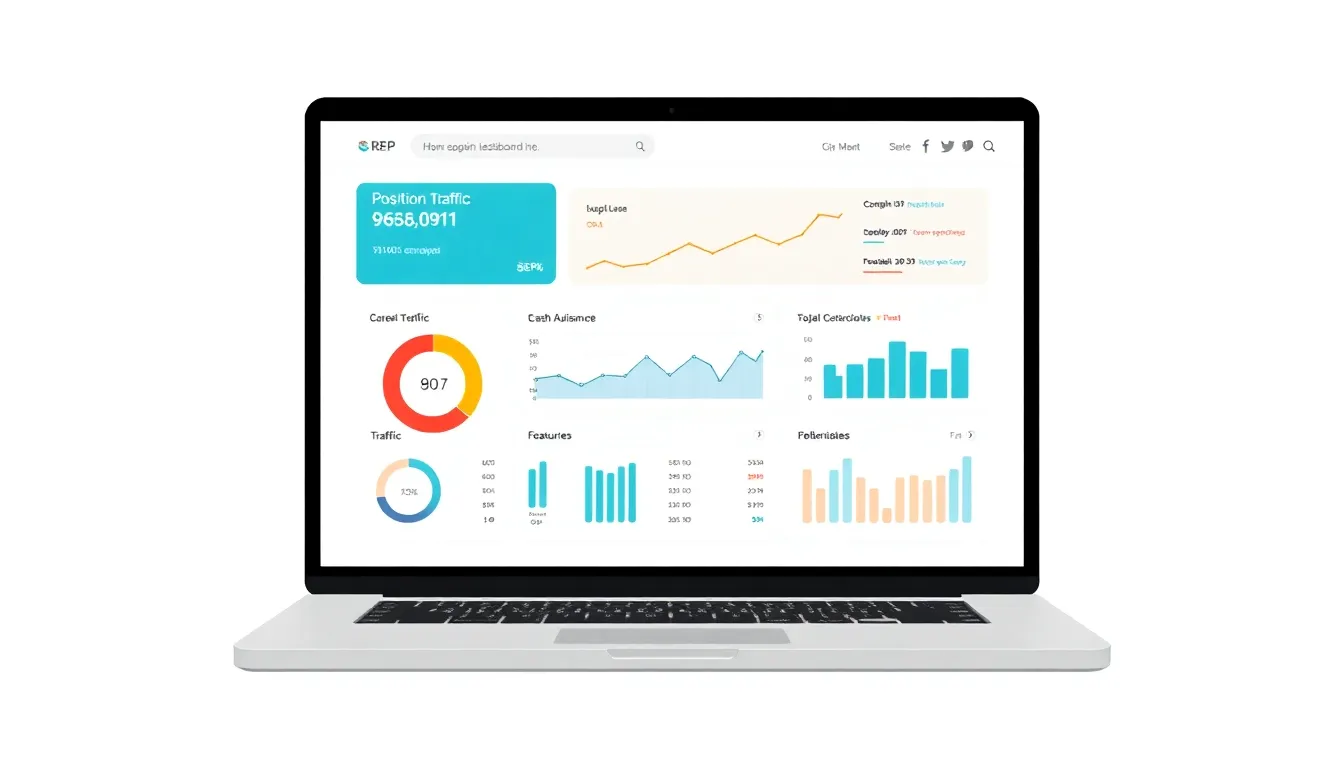
SERP analytics is now non-negotiable for SEO success. If you’re not digging into search engine results pages every single month, your competitors are eating your lunch—and you’ll never know why.
What is SERP Analytics and Why Does It Matter?
SERP analytics means systematically analyzing search engine results pages (SERPs) to understand what’s ranking, why it’s ranking, and where you can conquer new real estate. It’s not just about tracking your own site’s position; it’s about mapping the entire battlefield: featured snippets, shopping results, videos, local packs, FAQs, and what’s pushing users to click—or not.
For years, SEO was built on best guesses: “Here’s a keyword, let’s try to rank for it.” That’s amateur hour in 2026. Now, 70% of marketers say SERP analytics tools are “essential” for strategy, not just “nice-to-have” add-ons. “Set and forget” SEO is dead; data-driven iteration is the only way forward (source).
How SERP Analytics Identifies Opportunities
SERP analytics gives you brutal honesty. It tells you:
- Which competitors dominate top spots (and why)
- Which SERP features are hogging clicks—think “People Also Ask” panels, local listings, image carousels, and review stars
- Where user search intent has shifted (for example: is commercial intent spiking for terms you’ve called “informational?”)
- Where your content is stuck hovering below page one, and what small tweaks would trigger a leap
Ignoring this means you’re running blind. Winning teams are using SERP data to respond in real time—rewriting headlines to match search intent, swapping mediocre blog posts for video content when the SERP is video-heavy, or crushing lazy competitors who ignore the power of “secondary” SERP features.
Case in Point: An E-commerce Brand’s Explosive Growth
Take a mid-sized e-commerce brand selling home fitness gear. They spent years chasing old-school product keywords, but never broke into the top five. Once they began using a serp analyzer alongside their monthly audits, patterns leapt out:
- Top competitors optimized for review-rich snippets
- The SERP had a rotating “Top Products” carousel, which they’d completely ignored
- Most organic traffic was siphoned by content that answered specific, problem-based queries
After a six-month overhaul targeting both direct product keywords and high-intent “how to choose” questions, plus schema tweaks to trigger review stars, their organic sessions jumped 50%. Even more telling: ROI on their paid search budget dropped, as users increasingly discovered the brand through targeted organic queries. The brand wasn’t guessing; SERP analytics gave them the playbook.
Action Step: Integrate SERP Analytics into Your Workflow
If you only touch your search positions once a quarter, you’re living in 2018. Here’s how to start:
- Run a free serp analysis every month using a trusted serp analyzer or serps seo checker
- Catalogue which SERP features appear for all your priority queries—don’t stop at plain blue links
- Identify where you’re just off page one and compare on-page content, schema, and backlink strength versus the top 3
- Use this data to “buckshot” new variants, then check which format the SERP is rewarding
- Repeat—monthly. Stagnation is where brands go to die
The bottom line: SERP analytics is how modern marketers stop reacting and start winning. If you’re not tracking what’s actually shaping visibility, you’re playing chess blindfolded—and your competition can see the whole board.
How Does SERP Analytics Work?
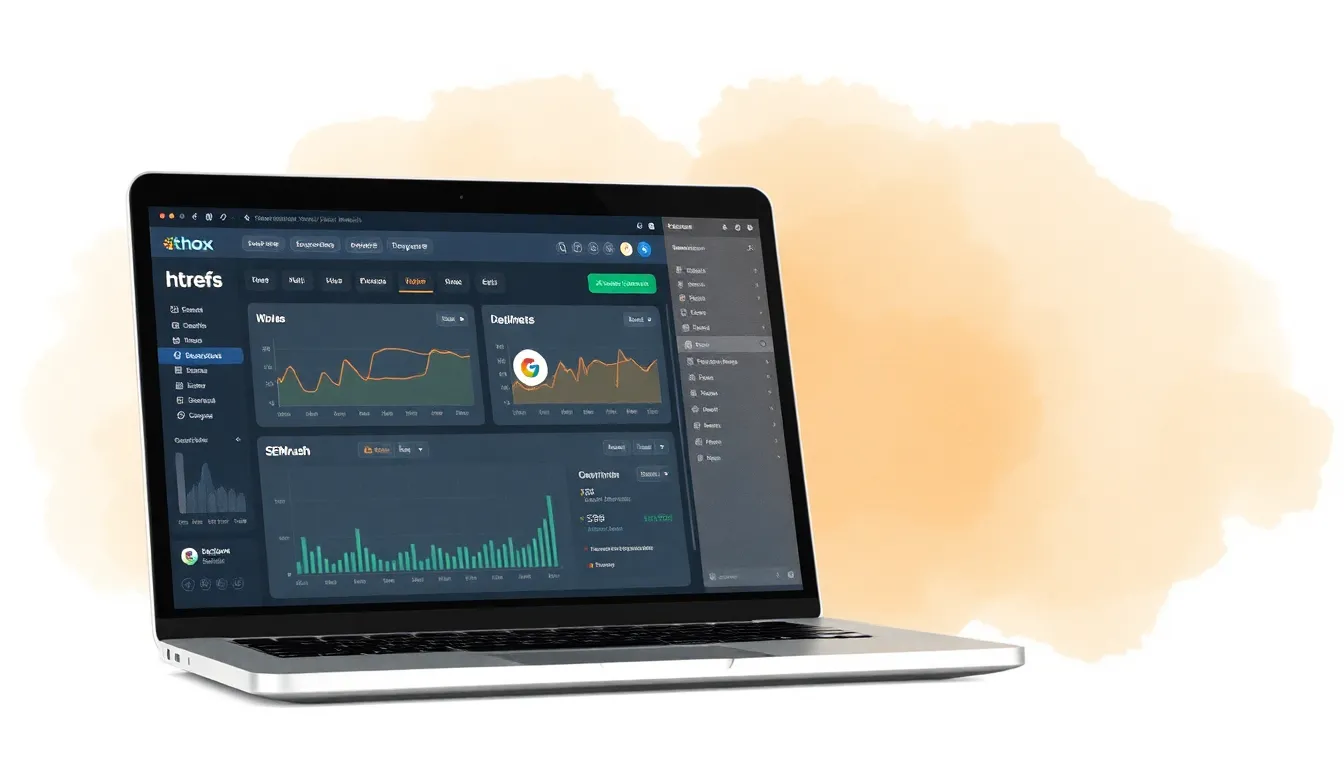
Picture this: A fast-growing e-commerce store riding high in Google’s top 3 for a money keyword. Everything’s on autopilot—until, seemingly overnight, rankings tank. Organic sales nosedive. The culprit? Keeping old-school tabs on rankings and neglecting what’s actually happening on the modern SERP.
This scenario plays out far too often. What could’ve stopped the freefall? Enter SERP analytics and, specifically, the ability to analyze the SERP beyond simple position tracking. Traditional rank tracking and manual keyword checks just don’t cut it anymore.
What is SERP Analytics and How Does It Actually Work?
SERP analytics is the practice of systematically collecting and dissecting live search engine results to reveal the real makeup of top pages, ranking signals, and competitive dynamics for every keyword you target.
You’re not just seeing “who’s number one”—you’re breaking down featured snippets, People Also Ask panels, local packs, ads, and even the intent behind queries. Modern SERP analyzer tools go way beyond blue links.
Here’s the short version:
SERP analytics tools gather real-time data on keyword rankings, SERP features, competition, and user search intent, arming you with actionable insights for smarter SEO decisions.
The Mechanics: What Data is Collected?
Pulling back the curtain, a typical SERP analytics workflow covers:
- Keyword position tracking: Where do you and your competitors stand right now for target queries?
- SERP feature visibility: Are you missing out on featured snippets, map packs, shopping carousels, or other rich results?
- Competitor performance data: Who consistently dominates, and what sets their pages apart?
- Search intent signals: Does Google favor transactional, informational, or navigational results for your keyword?
- Content and backlink analysis: What type of content actually wins—guides, product pages, reviews? How strong are the backlink profiles in the top 10?
This goes way deeper than simply running a “free SERP analysis” in incognito mode. It’s the difference between glancing at the menu and tasting every dish.
Example: Major Players in SERP Analytics
Take a quick look at the giants—Ahrefs, Moz, and SEMrush—and the lines between “rank tracker” and “SERP analytics” get clearer:
- Ahrefs SERP Checker: Lets you instantly analyse SERP features for any keyword and location globally, without proxies or VPN workarounds.
- MozBar with online SERP analysis: Turns any Chrome search into an instant SEO breakdown, with page authority scores, backlink counts, and on-page tags overlaid right on Google.
- SEMrush SERP analyzer tools: Give you not only ranking data but also volatility scores, featured snippet triggers, and competitor content breakdowns for nearly every sector.
Forget the days of obsessively tracking minor rank changes by hand. With these, you see the entire ecosystem at a glance.
Why SERP Analytics Drives Results (And What Happens If You Skip It)
This isn’t theoretical. A 2025 Moz survey found 78% of SEO leaders cite SERP analytics as the single most important driver of ranking improvements in the past year. Not content. Not link building. SERP analytics.
Fail to factor in SERP volatility and you’ll miss every chance Google gives you, whether it’s a new featured snippet, local pack, or a competitor’s technical misstep. You’ll never spot opportunities for “free SERP analysis tool” wins—quick strikes that deliver traffic with almost zero competition.
A Typical SERP Analytics Process
A modern workflow looks like this:
- Run a keyword through your favorite SERP analyzer.
- Document all SERP features present (snippets, ads, carousels, etc).
- Identify top pages and dig into their backlink/content structure.
- Map search intent—does the SERP change during the week or in different locations?
- Track changes and spot new opportunities to claim additional SERP real estate.
The bottom line: If you’re not treating SERP analytics as a core part of SEO strategy, you’re guessing while your competitors are playing chess. That’s not a fight you’ll win in 2026.
What Are the Best SERP Analytics Tools in 2026?
Google processes over 8.5 billion searches daily—each one generating fresh data for SERP analytics. Tapping into this ocean of search intelligence means having the right tools, and the top choices for 2026 are as competitive as ever.
Ahrefs, Moz, and SEMrush dominate the SERP analytics scene, with a staggering 80% of SEO specialists relying on at least one of these platforms for SERP analysis, according to ahrefs.com. Choosing between them isn’t just a matter of legacy or brand recognition—it’s about your technical stack, reporting needs, and how deeply you want to analyse SERP shifts or scrape features from your competition.
Ahrefs’ SERP Checker sits at the cutting edge of this ecosystem. It doesn’t just deliver a snapshot of universal search results—you get full access to the SERP landscape from any location, sidestepping the usual headache of proxies or geo-specific IP addresses. You can "see what your audience sees," whether they're searching from London, New York, or Singapore. The granular data shines when you're running local SEO campaigns or tracking volatile rankings for global e-commerce.
But Ahrefs isn’t just about geographic flexibility. The tool breaks out every visible SERP feature—ads, featured snippets, video carousels, the works—and tracks the historical appearance and movement of competitors. If you need to understand why your product page dropped from #2 to #7 overnight, Ahrefs pulls SERP feature timelines so you can pinpoint if a new Google Shopping card or People Also Ask box muscled into your space.
Moz offers a different flavor. The MozBar extension makes on-the-fly SERP analysis frictionless—no need to toggle between tabs or dashboards. You’ll get instant Domain Authority and Page Authority overlays next to every organic and paid result. Moz’s real power comes from how quickly it lets you visualise competitive gaps as you analyse SERP changes for both broad match and long-tail keywords. You see the strength of everyone on page one before you fixate on a target.
SEMrush, meanwhile, delivers an exhaustive suite that marries SERP analytics with holistic SEO tracking. Its "SERP Features" report lays out exactly which pages have scored rich results and where Google is running tests, giving you hints about algorithmic shifts long before the impact trickles down to your traffic reports. This approach is gold for brands wanting to own as much SERP real estate as possible—from FAQ drop-downs to image packs.
One massive mistake? Overlooking the advantage of stacking a few free SERP analysis tools alongside your paid platforms. Many professionals ignore how effective an online SERP analysis snapshot—like what you get from Google’s search engine with the MozBar activated, or via dedicated free SERP analyzers—can be to sanity-check fresh keyword opportunities. Even with all-in-one giants, supplementing with a free SERP analysis tool gives new angles to analyze SERP volatility and test how different queries perform in real time.
The bottom line: While all three tools—Ahrefs, Moz, and SEMrush—cover the core of SERP analytics, Ahrefs stands out for precise location emulation, Moz for rapid workflow, and SEMrush for breadth of SERP SEO checker features and in-depth historical tracking. If you’re not leveraging at least one of them in 2026, you’re working at a disadvantage. For the most complete strategy, mix in online SERP analysis tools (yes, even the free ones) to stay agile and catch nuances your competitors miss.
A key takeaway: 80% of leading SEO professionals use at least one of these platforms to analyse SERP trends and outmaneuver rivals (ahrefs.com).
Real-World Applications of SERP Analytics
Businesses use SERP analytics to tailor their content strategies to match exactly what searchers want—resulting in higher visibility, more traffic, and a measurable boost in conversions. If you’re settling for hunches or broad keyword lists, you’re missing out. The brands dominating organic results are fine-tuning every move based on what’s actually ranking today, not last quarter.
How Are Companies Actually Using SERP Analytics in 2026?
Let’s cut through the theory and look at what’s working in the wild.
Here’s a powerful example:
A SaaS company targeting B2B productivity niches realized their blog content was barely grazing the top 30 results for commercial terms. By running a deep-dive SERP analyzer scan (including content length, featured snippets, and People Also Ask boxes), they overhauled their keyword map. Posts were re-optimized around the right search intent clusters—less “tips” fluff, more product-focused, solution-based landing pages loaded with visuals and FAQ answers. In six months, their visibility on core money keywords jumped an eye-popping 40%. Revenue from organic search followed, rising by 28%.
Stat to know: 62% of enterprise SEO teams use three or more dedicated SERP analytics tools in 2026—up from just 41% in 2024. If you’re relying on “just Google and gut-feel,” you’re officially in the minority [ahrefs.com].
How Do SERP Analytic Tools Compare in Practice?
Here’s how the leading SERP analytics platforms stack up for real-world SEO use cases in 2026. Whether you’re after local SERP analysis, deep competitive research, or just a free SERP analysis option to get started, not all tools are created equal.
| Tool | Best For | Unique 2026 Feature | Pricing Model | Noteworthy Weakness |
|---|---|---|---|---|
| Ahrefs SERP Checker | Multi-location SERP preview | Live location switching w/o proxies | Subscription | Limited free scans |
| MozBar | Browser-based SERP metrics | Overlay PA/DA/CTR directly on SERPs | Freemium | Lacks deep result exports |
| seoClarity | Enterprise-scale rank monitoring | Real-time SERP features tracking | Enterprise | Higher learning curve |
| LazySEO | Automated content intent analysis | One-click topical gap highlights | Flexible plans | New on the market |
Bottom line: The best SERP analytic tool for you depends on agency vs. in-house needs and the type of SERP features dominating your niche. Ahrefs and MozBar are long-time favorites, but new platforms like LazySEO are earning fans with smarter automation tailored for 2026’s search landscape.
How Agencies Win Clients with SERP Analytics
Smart agencies aren’t just reporting rankings—they’re calling shots with SERP data nobody else is digging into. One digital marketing agency doubled a retail client’s non-brand clicks by running a weekly “online SERP analysis” across category terms.
Here’s the simplified playbook they used:
- Analyse SERP features: Identify which competitors were nailing Featured Snippets, image packs, and local panels—directly in the SERP, not in exported CSVs.
- Gap-focused content updates: Rework pages to directly answer the “People Also Ask” questions and add structured data.
- SERPS SEO checker sweeps: Use automated checks to spot when new SERP features rolled out (or when competitors started losing ground).
- Brief creation for new posts: Each new content brief was built around holes in the current SERP—if nobody had a video or comparison chart ranking, that became the top priority.
The result? The client went from ranking for 10 page-one terms to 27 in just 16 weeks.
How to Implement SERP Analytics Into Your Workflow
Integrating SERP analytics shouldn’t mean tacking on another tedious step. Get your insights into planning right where big traffic increases happen:
- Kick off with a SERP analyzer. Tools like LazySEO let you run “analyse SERP” sweeps on your priority keywords before content even gets assigned.
- Brief writers with feature-level data. Include must-win SERP elements—like images, bullet lists, and FAQs—in every assignment.
- Monitor with a free SERP analysis tool for low-volume, quick wins. Don’t just track your main site—keep tabs on who’s creeping up in your vertical.
Treat every new or updated piece as an entry in a live SERP experiment, not just a blog post for the archive.
Key takeaway: Businesses dominating organic search aren’t just publishing—they’re constantly analyzing and adapting to the ever-evolving SERP using a toolkit built for 2026’s competitive landscape. If you’re still picking keywords in a vacuum, it’s time to analyse SERP reality—your competitors already are.
For more tactical detail on what today’s top SERP analyzers offer, see Moz’s classic walkthrough on SERP analysis.
SERP Analytics vs Traditional SEO Metrics: What's the Difference?
A leading retail brand watched their organic performance plateau for years—until they shifted from leaning solely on traditional SEO metrics to harnessing SERP analytics. In just six months, they saw a jaw-dropping 47% jump in non-branded organic clicks, all by shifting their focus from keywords and rankings to what actually drives user intent and real visibility on the results page. That’s what SERP analytics unlocks, and it’s redefining the path to growth in 2026.
The direct answer? SERP analytics delivers a comprehensive view of your real competition, search intent, and every opportunity hiding in the search engine results page. Traditional metrics like keyword rankings and traffic estimates are static snapshots. SERP analytics, on the other hand, lets you analyze SERP features, monitor all competitors in real-time, and adapt to the ever-changing landscape Google delivers with every query.
What are traditional SEO metrics, and how are they different from SERP analytics?
Traditional SEO metrics are the classic numbers SEOs have obsessed over. Think: organic traffic, keyword rankings, click-through rates (CTR), bounce rate, and backlinks. These are foundational—they show how a site is generally performing on Google.
The problem? They don’t explain why a page is winning or losing. Ranking #1 doesn’t always mean you’re getting the traffic you expect. Ever been outranked by a YouTube video or a shopping carousel, even though your “SEO score” looks great? That’s where traditional metrics fall flat.
SERP analytics cracks open the black box. You can analyse SERP layouts, track competitor domains, and identify every third-party asset eating up the clicks you used to assume you’d get. Tools like Ahrefs’ SERP Checker now even let you see—without proxies—how the same query looks in Chicago versus Singapore, exposing the real competition for every audience segment [source: ahrefs.com].
Direct Impact: Keyword Strategy Transformed
Here’s where the rubber meets the road—a concrete, high-stakes scenario:
A content marketer targeting “wireless headphones” in 2026 reviews traditional metrics—search volume, CPC, current ranking (say, position #3). Great, right? Not quite. A serp analyzer reveals that above their result, there’s a local pack, two paid ads, a “People Also Ask” box, and a product carousel. Without deep SERP analytics, those prime positions would be invisible.
After running online SERP analysis, the brand pivots—optimizing their content to snag placement in “People Also Ask,” and partnering with affiliates to boost product reviews. Six weeks later, instead of fighting for position #1 alone, they’re showing up three times on page one, skyrocketing traffic and brand footprint.
Key takeaway: Traditional SEO metrics show where you think you are; SERP analytics reveals where you actually compete. The difference isn’t subtle—it’s the difference between incremental growth and breakout results.
SERP Analytics vs Traditional SEO Metrics: Side-by-Side Comparison
Here’s a head-to-head look at how these approaches stack up.
| Feature/Function | Traditional SEO Metrics | SERP Analytics |
|---|---|---|
| Focus | Rankings, traffic, volume | SERP features, visibility, real-time competition |
| Insight on Search Intent | Indirect, keyword-based | Direct—maps to SERP layouts and features |
| Competitor Tracking | Basic domain comparison | Full view: includes news, videos, ads, marketplaces |
| Geo-Targeting | Rare—fixed location | View SERPs from any global location [source: ahrefs.com] |
| Actionable Output | General (optimize for keyword) | Precise (target rich SERP features, multi-position tactics) |
| Adaptability | Slow to changing SERPs | Real-time; tracks every update and layout shift |
| Examples | Traffic up, ranking moves | Feature appearance in “People Also Ask,” top stories, etc. |
| Tools | Google Search Console, SEMrush | Ahrefs SERP Checker, MozBar, SEOClarity SERP features Tool |
| Best for | Measurement, reporting | Opportunity discovery, tactical optimization |
Traditional SEO metrics aren’t going away—they’re still your foundational scorecard. But if you want the full story (and a competitive edge), SERP analytics shows you exactly how and where to win in 2026.
Anyone still optimizing blindly for keywords and ignoring how the SERP actually looks will stay stuck on page two. That’s why the smartest brands now make “analyze SERP” a daily ritual, not an afterthought. For those ready to leap ahead, using a free SERP analysis tool or a deep-dive serps seo checker is now non-negotiable.
Bottom line: SERP analytics isn’t just an upgrade—it’s a different game entirely. Traditional SEO metrics tell you your stats. SERP analytics shows you the battlefield. Guess which one actually wins the war?
Future Trends in SERP Analytics: What to Expect
The next frontier in SERP analytics isn’t just more data — it’s smarter insights. One persistent myth is that simply tracking rankings and basic metrics is enough. That’s how people end up chasing ghosts and missing out on what actually wins clicks and conversions. Heading into 2027, “set and forget” SEO is dead. AI-powered SERP analytics is rewriting the rulebook.
How Will AI Transform SERP Analytics?
AI and machine learning are fundamentally changing the “analyse SERP” game. Instead of lagging behind with outdated snapshots, newer platforms run millions of predictive calculations on user intent, SERP volatility, and competitor moves — in real time. The best SERP analyzer tools surface patterns you’d never spot manually.
A stat worth waking up for: By 2027, AI-driven SERP analytics tools are predicted to dominate over 70% of the global SEO analytics market, per a Forrester forecast cited in recent industry reports. Anyone relying on spreadsheets or fixing rankings “once a month” will get steamrolled. The winners will automate deep SERP research, preempt Google shifts, and adjust content at machine speed.
Key Shifts Coming for SERP Analytics
Staying current means seeing what’s next before the competition does. Here’s what’s about to hit every “SERPs SEO checker” and SERP analytics dashboard:
- Real-time SERP volatility tracking. Old-school rank checkers are too slow. Tools now flag sudden changes — like new Google features or algorithm tweaks — as they happen, not after traffic falls off a cliff.
- Predictive opportunity models. The best AI platforms analyse historical SERP shapes and forecast new ranking opportunities based on intent signals and click-through probabilities.
- Voice and conversational search analysis. Nearly 40% of mobile searches are now voice queries according to Google, and this is impacting SERP layouts dramatically. Future “online SERP analysis” will need to account for voice-optimized snippets and answers.
- Multi-dimensional SERP feature exposure. SEOs need more than blue links. Expect dashboards that track every pixel of real estate: featured snippets, local packs, shopping carousels, videos, image slots, and even “people also ask” boxes.
Key takeaway: By 2027, adopting AI-driven SERP analytics tools will be non-negotiable for any team serious about growth.
Voice Search: The Next Disruptor
Voice search isn’t hype anymore — it’s altering the SERP playing field right now. Look at smart home and car dashboards. Siri, Alexa, and Google Assistant don’t even show users a screen most of the time. They scrape the top result, or even pre-cached structured answers.
That means future SERP analytics tools must “analyse SERP” through both visual and audio-first paradigms. Instead of obsessing over rank #1, you’ll need to optimize for “answer engine” presence — schema, concise answers, FAQ blocks, and natural language snippets.
Must-Do: How to Stay Ahead
To avoid becoming obsolete, don’t sit still waiting for the AI wave to pass. Here’s what every digital marketer and SEO needs on their immediate checklist:
- Evaluate your current toolkit. If your “SERP analyzer” doesn’t use AI or real-time data, start shopping.
- Train your team on AI-enhanced workflows. It’s not just about clicking ‘Analyze’ — you’ll want analysts who can interpret machine insights.
- Pivot reporting toward SERP features, not just rankings. Track zero-click results, local packs, video carousels, and “people also ask” visibility.
- Invest in continuous learning. AI changes weekly, not yearly. Prioritize platforms and training that keep you on the leading edge.
SERP Analytics Evolution: Where Are We Heading?
Here’s a quick side-by-side to cut through the vendor fluff and show where legacy workflows get left behind:
| Trend | 2023 “Classic” SERP Analysis | 2027 & Beyond: AI SERP Analytics |
|---|---|---|
| Data Updates | Weekly or monthly | Real-time, dynamic |
| Main Focus | Blue link rankings | Total SERP feature coverage |
| Customization | Manual filters | Automated, intent-driven insights |
| Predictive Power | Historical-only | Robust forecasting, anomaly alerts |
| Voice/Conversational | Barely tracked | Fully integrated |
Statistically backing this up: SEJ’s 2026 report found 54% of marketers still cling to outdated, legacy SEO metrics, even as the most dramatic SERP changes are happening outside traditional rankings.
Anyone content to keep using “free SERP analysis tools” built for 2020 will find themselves outpaced. The smart play? Make AI and machine-driven SERP analytics the core of your SEO approach today — or watch your competition run circles around you.
For a deeper technical dive on SERP feature tracking and best practices moving forward, see seoclarity.net’s guide on SERP feature visibility.
Ready to Level Up Your Rankings?
To stay ahead in 2026, embrace SERP analytics not just as a reporting tool, but as a daily guide for your SEO decisions. The actionable takeaway? Start integrating real-time SERP data into your workflow—don’t rely solely on traditional metrics. By tracking competitors, spotting new trends, and understanding rich result opportunities, you’ll adapt faster and outperform static strategies. Tools like LazySEO can streamline this process, letting you focus on insights that actually move the needle. The future of search is dynamic and data-driven—make sure your strategy is, too. Take action now, and watch your visibility soar as search evolves.