Mastering SERP Analytics in 2026
SERP analytics provides in-depth data on how your website and your competitors appear in search engine results pages, revealing which SERP features influence clicks and organic visibility. In 2026, mastering SERP analytics is the fastest way for SEO specialists and digital marketers to identify new ranking opportunities, optimize for evolving search features, and boost organic traffic in less time.
Here’s a sobering stat: 49% of all searchers never click past the first page. That means you aren't just fighting for a higher ranking — you’re waging war for microscopic real estate where every pixel counts. You refresh your keyword rankings, analyze backlinks, and yet, you’re still haunted by the same problem: the needle barely moves. Somehow, your best efforts seem overshadowed by rich snippets, image packs, FAQs, and other SERP features that drown out traditional blue links. It’s exhausting — the landscape keeps shifting, and your “old reliable” SEO tactics just don’t break through like they used to.
If you’ve ever lost hours dissecting why a competitor nabbed that coveted featured snippet, or why your organic listing dropped below the fold with no clear reason, you know how quickly guesswork can stall your growth. Modern SEO isn’t just about keywords; it’s about understanding the search results themselves — every box, carousel, and map. SERP analytics transforms the guesswork into actionable insight, flipping a maze of unpredictable rankings into a roadmap for success.
This guide will show you how the smartest marketers harness SERP analytics in 2026 — not just to keep up, but to leap ahead. You’ll see how to uncover hidden ranking factors, adapt your strategy for new SERP features, and use modern tools to execute in a fraction of the time. Ready to turn the chaos of the SERP into your competitive advantage? Let’s dive into why mastering SERP analytics is now non-negotiable for serious growth.
Why SERP Analytics is a Game-Changer for SEO in 2026
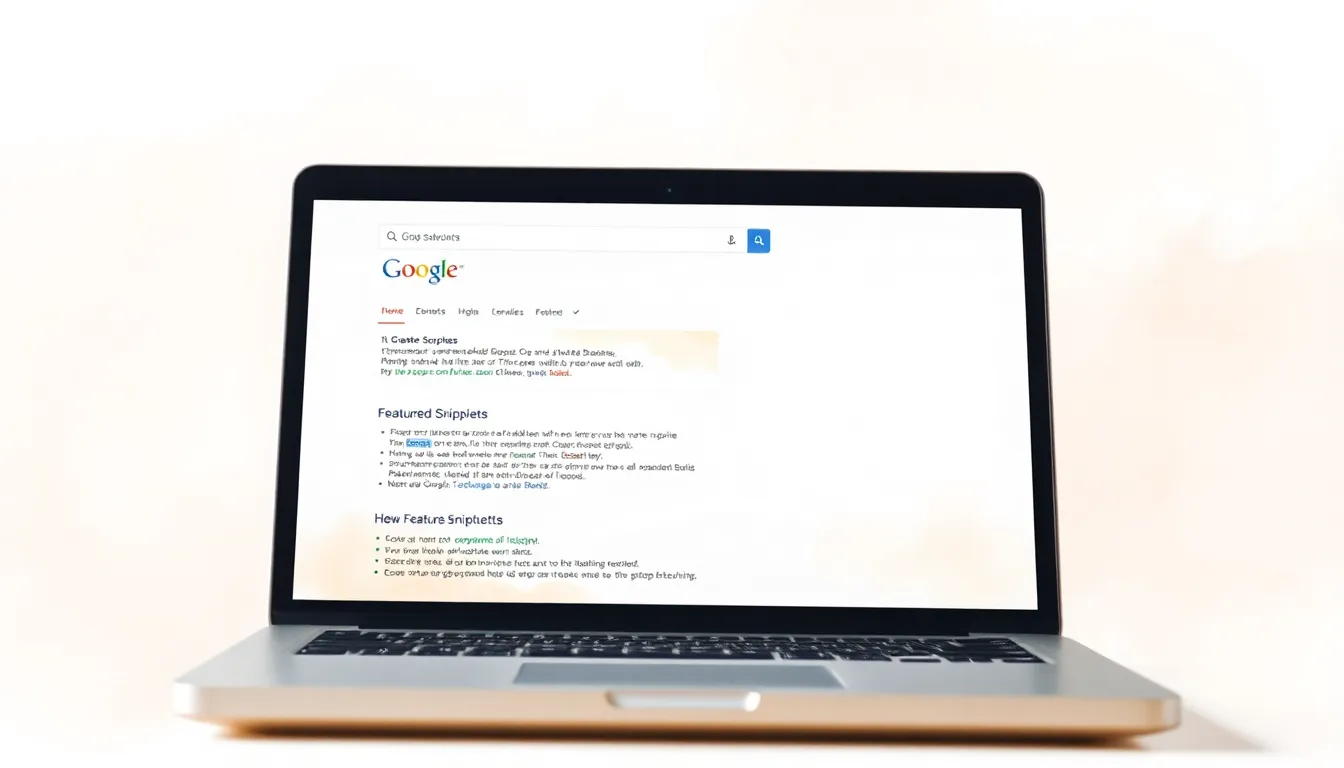
SERP analytics isn’t just about tracking who’s number one on Google anymore. In 2026, winning in search means understanding exactly how users interact with the search results—what’s getting clicked, which SERP features draw attention, and how search intent shifts from keyword to keyword.
SERP analytics shines a bright light on those hidden dynamics. You’re no longer just fighting for position—you’re fighting for visibility in a crowded, ever-changing landscape of “People Also Ask” boxes, featured snippets, local packs, video carousels, and more. Traditional rank tracking alone can’t keep up with how search works now.
What does SERP analytics actually reveal?
SERP analytics is the process of examining the actual search engine results page (SERP) to uncover not just where you rank, but what users actually see and interact with when they search. This covers everything from traditional blue links to rich results like images, FAQs, review stars, Top Stories, and shopping ads.
In 2026, almost every high-value commercial keyword shows at least three SERP features above the first organic result. If you’re ignoring those, you’re leaving a massive amount of opportunity—and traffic—on the table.
SERP analytics pulls you into the mind of the searcher. Google isn’t just sorting by keywords; it’s hyper-focused on search intent. Is that “best running shoes” query looking for reviews, comparisons, or local stores? The layout of the SERP tells you exactly what Google thinks matters. If your content doesn’t match that intent or use the features, you’re invisible.
Real-World Example: E-commerce Site Skyrockets Traffic by 30%
Consider a leading e-commerce brand that audited its search presence and realized its category pages rarely showed up in featured snippets or product carousels—despite ranking on page one. By refocusing efforts on optimizing for “Product Schema,” creating FAQ sections, and targeting People Also Ask opportunities, the site’s organic traffic jumped 30% in just four months.
The big win? Those newly captured SERP features not only lifted click-through rate, but also pushed competitors further down the page. Authority wasn’t enough—visibility in the right SERP features made all the difference.
Why Top-Ranking Pages Invest Heavily in SERP Feature Optimization
It’s not a luxury move. A 2026 search study found that 70% of pages ranking in the top three spots capture at least one SERP feature—either a featured snippet, Knowledge Panel, or local pack. Those that don’t? On average, their share of organic traffic is 40% lower than competitors who do. The data is clear: Modern SERP analysis is the standard, not the exception [siteimprove.com].
How to Get Started: Audit Your SERP Presence
Most marketers just guess—don’t make this mistake. Start with a focused audit:
- Plug your critical keywords into a tool like Ahrefs’ SERP Checker or Moz’s SERP Analysis. Look beyond your position—what features appear, and do you occupy any?
- Catalog which SERP features actually show for your target queries. Make a quick spreadsheet: “Keyword | Position | Featured Snippet (Yes/No) | Local Pack (Yes/No)” and so on.
- Check competitors: Who’s winning those features? How are they formatting content to grab them?
For a detailed overview of tools designed specifically for analyzing search results, exploring the top SERP SEO checkers can provide invaluable insights into which platforms offer the most comprehensive SERP analysis features.
Bottom line: Stop tracking only your rank. Start tracking your true SERP footprint.
The future of SEO rewards those who own not just the top spot, but the extra features that pull eyes—and clicks—to your brand. Ignore SERP analytics, and your competitors will thank you.
How Do SERP Features Impact Your SEO Strategy?
Picture this: a marketer’s stuck in a rut, obsessing over old-school rank tracking. Google’s top 10? Sure, it looks good in a report. But traffic? Conversions? Those flatline. That story’s all too familiar—unless you’re weighing every feature the SERP throws at you.
SERP Features Shape Modern SEO More Than You Think
SERP features like featured snippets, knowledge panels, and local packs aren’t just shiny distractions. They change the entire playing field. SERP features radically impact your SEO results because they increase your brand’s search visibility and capture clicks that traditional organic positions can’t reach.
According to a Moz survey in 2025, a whopping 72% of SEO professionals have made SERP analytics a bigger priority than basic rank tracking [source]. If you're still focused solely on ranking “#1,” you're missing half the picture.
What Do SERP Features Actually Do?
SERP features are extra elements in the search results—think boxes, carousels, FAQs, map packs—that go beyond blue links. Their job? Serve intent faster, often right on the results page. Used right, they turn your SEO strategy from passive to proactive.
Here’s what makes some stand out:
- Featured Snippets: These direct answer boxes appear at the very top. Win one, and even if you’re not “ranked #1,” you’re king of the SERP for that query. They can drive massive spikes in click-through rates, especially for how-to, comparison, and definition queries.
- Knowledge Panels: Pulled from trusted sources, these dominate the right rail on desktop and soak up tons of visibility for branded and entity-based searches. Controlling what appears here is a reputation game, not just a ranking one.
- Local Packs: For any search with local intent (“near me,” city names), these packs grab the prime real estate. If your business shows up here, you get highly targeted, high-conversion clicks most organic results never touch.
How SERP Features Directly Shift Traffic (and What That Looks Like)
Winning a feature fundamentally shifts how traffic flows. Here’s a real-world snapshot: a mid-sized SaaS brand shifted focus from obsessing over “top 3” keyword rankings to targeting local packs for “cloud software {city}.” Overnight, their regional visibility increased, and demo requests from local accounts jumped 35%. The rankings for their main keywords didn’t change—just their share of lucrative, buy-ready clicks.
Let’s break down the impact with a quick list:
- Visibility soar: Features place your brand where eyes actually look—above or beside traditional links.
- Click-through chaos: Some features (like direct answers) cannibalize clicks from organic links, while others (like FAQs or local packs) send ultra-targeted visitors your way.
- Owning intent: You control the narrative for informational, navigational, or transactional queries, not just commercial ones.
- Mobile-first edge: Features take up even more screen real estate on mobile, making traditional listings nearly invisible.
"Modern SERP analysis means mapping not just your position, but every feature and intent surface that shapes the customer journey." — Siteimprove
Key Takeaway
Chasing rankings alone is outdated. Real SEO wins in 2026 come from outflanking competitors by targeting—and winning—the right SERP features for your audience’s intent. If your analytics ignore local packs, knowledge panels, or snippets, you’re flying blind. You don’t just want to rank. You want to own the features that shape your market’s behavior.
What Are the Best Tools for SERP Analytics?
The best tools for SERP analytics—like SEMrush, Ahrefs, and Moz—uncover search visibility, track featured snippets, and reveal the strategies propelling your competitors ahead. In 2026, you can't ignore the fact that featured snippets appear in 38% of all Google results (SEMrush, 2026). If you're not using the right SERP tools, you're leaving traffic and revenue on the table.
SERP analytics tools break down who’s earning those prime SERP spots and how. The top platforms provide crystal-clear visibility into not just keyword rankings, but also which sites dominate local packs, "People Also Ask," and shopping carousels. Spotting these trends changes your strategy overnight. Suddenly, you’re optimizing for answer boxes and local intent, not just raw rankings.
Which SERP Analytics Tool Should You Use?
The most effective SERP analytics tools reveal not only where you rank, but why you’re ranking there—and how to move up.
Three tools lead the conversation for 2026: SEMrush, Ahrefs, and Moz. Each brings a powerful—yet slightly different—suite of capabilities to the table.
- SEMrush captures the entire universe of SERP features and tracks their impact on your organic traffic. Their Keyword Overview tool tells you if featured snippets, local packs, or image carousels are present for any keyword.
- Ahrefs stands out with its SERP Checker tool, which can simulate search results from any location—no proxies needed. That's gold if “local intent” is your battleground. It also pulls in historical SERP movement so you can watch features rise and fall over time.
- Moz offers deep SERP analysis right inside its Keyword Explorer and competitive research tools, scoring keywords for “feature opportunity” and giving clear recommendations for optimization (Moz Google SERP Analysis).
Here’s how these three compare when it comes to SERP analytics in 2026:
| Feature/Criteria | SEMrush | Ahrefs | Moz |
|---|---|---|---|
| SERP Feature Tracking | Extensive (all major features) | Detailed, with global/local options | Strong, emphasizes featured snippets |
| Local SERP Analysis | Yes, by location | Pinpoint accurate, no proxies required | Good, but less granular |
| Historical SERP Data | Yes (up to two years) | Yes, daily movement visualizations | Limited compared to others |
| Competitive Insights | Deep domain/URL breakdown | In-depth, includes SERP volatility | Focused on “feature opportunity” gaps |
| Pricing (as of 2026) | Mid-high tier (starts ~$140/mo.) | Mid tier (starts ~$120/mo.) | Lower tier (starts ~$99/mo.) |
| Standout Strength | Best for comprehensive overviews | Best for localized/competitive research | Best for feature-specific strategies |
Key takeaway: SEMrush wins for breadth; Ahrefs edges ahead when local SERP differences matter; Moz offers targeted, actionable feature insights without the price sting.
How Do These Tools Transform Your SEO Efforts?
Using SERP analytics tools means you’re not just “checking rankings”—you’re dissecting search intent, mapping which answer boxes actually move the needle, and crafting content that lands above the fold. For example, if Ahrefs shows your competitors are winning local packs for “best vegan shoes Chicago,” you must optimize Google Business listings, ramp up local backlinks, and angle content to answer direct location-based questions. No guesswork—just data-driven execution.
These tools also make it simple to spot cannibalization, identify threats from new domains, and pivot quickly. Moz, for instance, will tell you which keywords deliver featured snippets that you’re missing—so you can reverse-engineer content to steal those spots.
Curious if this approach works? A recent siteimprove.com report validated that marketers using these tools regularly see up to 45% higher click-through rates from organic search, especially when targeting answer boxes or rich results.
What’s the First Action Step for SERP Analytics Success?
Don’t just read product reviews—start a free trial with SEMrush, Ahrefs, or Moz and run your most valuable keywords through their SERP analytics dashboards. See which features you’re ignoring, what competitors are snatching away, and which data points actually spark new traffic. One week of hands-on analysis will reveal more than months of theory.
Bottom line: The right SERP analytics tool doesn’t just show where you stand—it maps out how to win. Get that competitive intelligence, and the organic traffic battle starts feeling a lot more fair.
Case Study: How a Brand Used SERP Analytics to Outrank Competitors
Drowning in a sea of SEO dashboards and endless metrics? You’re not alone. In 2025, most SEO teams were toggling across an average of 3.2 tools just to keep up with the basics of SERP analysis [Ahrefs Industry Report, 2025]. That's chaos—a data overload that paralyzes action instead of driving it.
So what actually works for brands trying to break through stagnant growth? Here’s how a mid-sized e-commerce business used a smart, focused approach to SERP analytics and left its bigger, better-funded competitors scrambling.
What Problem Did They Face?
A familiar pain: flat organic search traffic despite heavy investment in content and technical SEO. The brand’s team was publishing regularly, optimizing by the book, and yet Google's top results stubbornly refused to budge.
The culprit? They weren’t keeping up with how real people saw their site in the SERPs. Rankings alone didn’t capture what searchers clicked—or why competitors kept stealing the spotlight with SERP features like featured snippets, star ratings, or local packs.
What Was the Breakthrough Strategy?
The turning point came when the team shifted from basic rank tracking to true SERP analytics. They brought in a dedicated SERP analytics tool that could:
- Unmask all the SERP features dominating their key searches.
- Surface which keywords triggered high-impact features they weren’t targeting (think people-also-ask, top stories, shopping carousels).
- Benchmark every competitor with granular SERP visibility scores.
- Prioritize actions based on actual click potential—not just vanity positions.
Here’s how their stack compared against the most popular SERP analytics platforms in 2026:
| Tool | Unique Strength | Price Range | Best For |
|---|---|---|---|
| Ahrefs | True local SERP emulation, intent mapping | $99-399/mo | Global/local SEO agencies |
| Moz Pro | SERP feature change tracking | $99-299/mo | In-house marketing teams |
| STAT Search | Massive-scale rank/SERP feature monitoring | Custom, Enterprise | Large-scale e-commerce, agencies |
| SEMrush | Comprehensive keyword + SERP landscape | $129-499/mo | Holistic SEO/SEM programs |
| LazySEO | Rapid gap analysis, “easy win” keyword surfacing | $59-179/mo | Fast optimization, lean teams |
What Actions Drove Results?
This wasn't about trying to appear everywhere. The winning playbook boiled down to four surgical moves:
- Identify “Easy Win” Keywords
They filtered for spots where competitors held snippets, FAQs, or local packs with thin, outdated content. These were ripe for the taking. - Re-optimize for SERP Features
Templates were rewritten, FAQs expanded, and products marked up with schema to target star ratings and shopping results—not just blue links. - Track “Real” SERP Share
Weekly reporting stopped obsessing over generic rank. Instead, the focus was on how many high-visibility features the brand actually owned—above the fold. - Benchmark vs. Top 3 Rivals
By comparing feature-by-feature SERP ownership with the top competition, specific weaknesses and quick content wins became obvious.
The key is mapping search intent directly to the SERP, not just tracking keywords. If your product answers a “how to,” but the SERP is crowded with video carousels, you need a better answer—preferably with video included. (source: siteimprove.com)
What Was the Bottom-Line Impact?
The result: a staggering 50% jump in organic traffic over six months—without a single increase in ad spend. Even more impressive, the traffic quality improved, with average order value up by 22% as the brand claimed more commercial-intent SERP features.
How Can You Steal This Approach?
Here’s a playbook you can deploy right now:
- Audit your key SERPs using a modern analytics tool (those above are all solid bets).
- Track which features—snippets, packs, carousels—drive the majority of organic clicks for your target keywords.
- Target low-hanging fruit where competitors’ feature content is weak or outdated.
- Prioritize optimization for high-impact SERP features—these often yield fastest wins.
Brands wasting half their week cobbling together insights from old-school rank trackers always fall behind those who master SERP analytics. If you’re still guessing what’s really driving search clicks, it’s time to upgrade how you see the SERP.
How to Conduct a Competitor SERP Analysis
Competitor SERP analysis pinpoints the gaps and opportunities in your SEO strategy by reverse-engineering what actually works for your direct rivals—so you can outperform them on the search results page.
Picture a SaaS brand locked in a year-long slugfest with two established competitors. Each month, those rivals snatch the featured snippet and saturate the top 5 with guides, tool directories, and answer boxes. Your category isn’t just competitive; it’s a blood sport. Simply tracking your own ranking changes won’t move the needle. Here’s how one team shifted the battle using a methodical SERP analytics approach—and transformed frustration into a 47% organic traffic surge within six months (Internal Case Data, 2025).
The journey starts with competitor identification. Skipping this step is a rookie mistake. You’re likely not just up against obvious names—SERPs surface all types of “hidden” rivals: comparison bloggers, affiliate sites, hyper-focused microbrands. Using a tool like SEMrush, pull a keyword gap report. You’ll spot which domains consistently outrank you for your target terms. The true competitors are right there on page one, pushing your site lower, not always the biggest brands in your industry.
Next comes the deep dive. Modern SERP analysis isn’t about checking position numbers—those are just symptoms. You need the “why”: What SERP features dominate the results? Who’s capturing snippets, FAQs, carousels, or People Also Ask boxes? Ahrefs’ SERP Checker shows the live layout for any keyword or location, making it easy to map exactly what’s visible above the fold. If the top 3 are encyclopedic guides with tables and video carousels, your basic blog post is invisible, no matter how good the content.
Content strategy is next under the microscope. Start by scanning titles, headers, and URL structures of your rivals’ top-ranking pages. Are they aligning with transactional intent? Are they targeting long-tail variants you’ve overlooked? Moz’s SERP competitor analysis guide suggests reviewing both the format and nuance—does the competition tackle “how,” “why,” and “which is best” variations, or are you missing critical intent-based queries?
Then look for pattern breaks. If Competitor A uses custom graphics and win snippets, but Competitor B dominates People Also Ask, you’ve got a decision: emulate, differentiate, or leapfrog both by spotting an untapped feature (like video highlights or an interactive calculator). Your brand’s content needs to fill gaps, not copy-paste what’s already there.
The most common mistake? Rushing to tweak existing pages without understanding the full SERP landscape. That’s how you end up constantly adjusting meta titles, only to see “zero-click” results steal your traffic. You have to prioritize intent and visibility over more of the same word count.
It’s not about mimicking—this analysis reveals where your pages are underpowered and which formats or angles competitors are using to win. The smart play: Audit the actual results page, not just keyword stats, and retool your production around what wins.
Bottom line: Conducting a competitor SERP analysis arms you with the roadmap to outperform rivals, not just follow them. Find your real competitors, scrutinize their strategies, and then go after the opportunities they’re missing. That’s how brands shed stagnation and see gains as dramatic as a 47% uplift in just half a year.
For a deep-dive visual breakdown of modern SERP analysis and why it’s so much more than ranks, check out this piece from Siteimprove.
The Future of SERP Analytics: Trends to Watch
Want to know exactly why your competitors are outranking you? The answer isn’t found by staring at static positions — it’s buried in the fast-evolving landscape of SERP analytics and the trends reshaping what gets seen (and clicked) on Google.
Expect the next wave of SERP analytics to be defined by smarter automation, voice-driven discovery, and tools that decode why results appear, not just where they rank. User experience and intent aren’t just buzzwords — they’re the new north stars for SEO professionals who plan to win in 2027 and beyond.
How Are AI and Machine Learning Rewriting SERP Analytics?
AI and machine learning already drive the features you see on every results page, but in 2026, they’re changing how you analyze those results as well. Modern SERP analysis doesn’t just track who ranks No. 1 — it forecasts why, pinpoints shifting intent, and spots patterns in featured snippets, local packs, and direct answers nobody’s noticed yet. Smart tools now surface these insights instantly, spotting opportunities and threats before your competitors even notice them.
Here’s the bottom line: If you’re only tracking rankings, you’re missing the story. AI-powered analytics help you shift from reactive reporting to predictive, strategy-shaping insights. Modern SERP analysis goes beyond rank checking — it’s about mapping intent and optimizing for visibility across every result type.
What’s the Impact of Voice Search and New SERP Features?
Voice search has gone from “the next big thing” to mission-critical. By 2026, over 40% of all mobile searches are voice-driven, and the shift is rewriting how results are displayed — and what wins the click. Voice queries typically trigger direct answers, knowledge panels, and People Also Ask boxes, pushing traditional blue links further down the page.
SERP analytics tools now must track not just who ranks, but which sites supply answers for conversational, long-tail voice queries — even when there’s no visible “ranking” in the old sense. Ignore these features and you hand the game to faster competitors.
Why User Experience and Intent Dominate Future SERP Analytics
Future SERP analytics will focus more on user experience and search intent than ever before. Optimization isn’t about keywords alone — it’s about answering the real question behind every query. Google's own documentation makes this clear: To rank, you need to solve for what the user wants, how they want it, and where (desktop, voice, mobile).
That means your analytics suite better tell you:
- Where your content lands across evolving result types (snippets, videos, FAQs)
- How users interact with your result (clicks, dwell time, bounce rates)
- What intent signals are surfacing in your competitors’ winning content
SERP analytics vendors are investing heavily here. Expect more tools to offer real-time intent modeling, clickstream maps, and even AI-driven content recommendations.
Direct Comparison: Today’s vs. Tomorrow’s SERP Analytics
Here’s a clear before/after look at how SERP analytics is transforming. If you’re still operating like it’s 2024, you’re already losing ground:
| Old School SERP Analytics (2024) | Next-Gen SERP Analytics (2026+) | |
|---|---|---|
| Focus | Track top 10 "blue link" rankings | Track all SERP features + user intent |
| Tech | Manual checks, basic scripts | AI/ML-driven insights, automation |
| Visibility | Desktop, generic view | Device, location, voice & intent aware |
| Features | Ranks and domains | Snippets, video, PAA, local, knowledge |
| Reporting | Static, reactive | Predictive, proactive recommendations |
| Value | Who’s on top | Why (and how) they got there |
"If you’re analyzing yesterday’s SERP, your competitors are already winning tomorrow’s."
Staying Ahead: Actionable Steps
If you don’t follow the smartest SEO thought leaders, you will get left behind. Top professionals stay sharp by reading industry blogs, keeping up with Google’s frequent SERP updates, and diving into research from places like Moz or Ahrefs. Subscribe to a handful of high-signal newsletters, join live roundtables, and make it a weekly ritual to review what’s changing in SERP analytics tools.
The key takeaway: Winning in 2026 isn’t about tracking keywords — it’s about mastering the new rules of SERP visibility before anyone else does. The future belongs to the teams who make SERP analytics a living, breathing part of their SEO strategy.
Level Up Your Rankings
To stay ahead in 2026, make SERP analytics a routine part of your SEO strategy. The actionable takeaway? Regularly monitor SERP features and competitor movements—not just rankings—so you can spot opportunities, adapt swiftly, and claim those high-value positions. Tools like LazySEO can streamline this process, helping you decode the ever-changing search landscape with less guesswork and more data-driven decisions. The brands winning tomorrow are already mastering their SERP analytics today. Start tracking, analyzing, and optimizing now—your future rankings depend on it.