
How to Build Backlinks: A Beginner's Guide

Knowing how to build backlinks in 2026 is crucial for boosting your website’s visibility and organic search traffic. The latest strategies help you attract high-authority links, improve rankings, and stay ahead in a competitive SEO landscape. Despite algorithm updates and AI-generated content, backlinks remain one of the most significant ranking factors.
Think about the last time you spent hours crafting great content, expecting shares, links, and traffic to roll in—only to hear virtual crickets. You’re not alone. Over 94% of web content never earns a single external backlink. It's not because the content is bad, but because every niche is saturated, and everyone is fighting for the same few high-quality links. Old-school outreach templates are ignored, competitors automate their link building, and Google’s Quality Rater Guidelines are tougher than ever. It feels unfair that hard work doesn’t automatically translate into SEO results.
Here's the good news: building backlinks isn’t about working harder—it’s about working smarter. This guide will show you repeatable, high-impact tactics to identify valuable link opportunities, harness new technologies, and craft pitches that stand out. You'll discover which strategies genuinely move the needle in 2026 and how to avoid common traps.
Ready to stop spinning your wheels and finally make backlink building predictably effective? Let’s dive into why backlinks still matter—and how you can transform your approach this year.
Why Backlinks Are Crucial for SEO Success in 2026
Backlinks remain one of the top three ranking factors in Google's 2026 search algorithm, alongside content depth and page relevance. If you're not prioritizing link-building, you're leaving rankings and revenue on the table.
Sites with high-quality backlinks see a 40% spike in organic traffic compared to those lagging behind (source). That’s doubling your conversion opportunities and escaping “invisible” status on Google’s page two.
Backlinks are still the currency of trust online. Google’s algorithms are sharper at separating genuine authority from spam.
How Do Backlinks Work—and Why Are They Still So Valuable?
A backlink is a hyperlink from another website pointing to yours. Each link is a vote of confidence, signaling to Google that your content is valuable and reliable. But it’s not just about volume—quality dominates in 2026. A few links from respected industry domains beat hundreds of junk directory links.
Google’s AI-driven updates have raised the bar. It’s ruthless at spotting manipulative tactics. If your strategy relies on low-effort guest posts or automated link farms, you’ll end up penalized.
Real-World Example: SaaS Company Doubles Traffic with Strategic Link Building
One SaaS company in the B2B space overhauled their SEO blueprint by focusing on valuable backlinks. Instead of spraying out press releases, they:
- Created unique data reports people want to cite
- Partnered with authoritative industry blogs for in-depth guest content
- Recovered lost or broken links to key pages
Within nine months, their organic sessions doubled—from 32,000 to over 64,000 per month. Not from more blog posts or ad spend, but by systematically targeting “link gap” opportunities.
Want to Build Backlinks That Actually Work? Audit First
If you don’t know your starting point, you’ll waste time chasing shiny backlink tactics. A backlink audit gives you a baseline—showing what’s working, what’s risky, and where you’re lagging behind competitors.
Break your audit down into steps:
- Map your existing backlinks: Use a trusted tool to pull every referring domain.
- Spot toxic or spammy links: Disavow anything that looks manipulative or irrelevant.
- Benchmark vs. top competitors: Where are their best links coming from?
- Identify content “magnets”: Pinpoint pages already attracting links—then double down on these.
Regular audits keep your site healthy and penalty-free as you climb toward page one.
How to Identify High-Quality Backlink Opportunities
High rankings don’t come from just any backlinks—you need links from sites that move the needle. Picture a SaaS company stuck on page two, watching competitors dominate Google’s first page. What tipped the scales? A mention from a reputable tech publication.
High-quality backlinks come from authoritative, relevant sites—not just anyone willing to give you a link. This is non-negotiable in 2026. Search algorithms have leveled up and so should your standards.
According to a 2025 Moz study, backlinks accounted for 38% of ranking factors in top-performing websites. A link from a respected industry blog hits differently than a dozen from generic directories.
What Makes a Backlink High-Quality in 2026?
The best backlinks deliver three things: authority, relevance, and real human traffic. Google’s algorithms care about trust—does the site have a solid reputation? Is it truly connected to your niche?
Traffic is often the most overlooked sign of link value. If a site gets zero visits, even if it claims high authority, real impact is unlikely. You’re aiming for links that can send referral visits today.
How to Evaluate Backlink Sources (Without Wasting Time)
Choosing the right backlink opportunity quickly sets apart savvy SEOs. Authority matters—look at metrics like Domain Rating (Ahrefs) or Domain Authority (Moz). Higher numbers mean more power, but context counts.
Relevance is measured by topic closeness. If you’re in e-commerce, links from established retail review sites carry legitimate weight.
Here’s how top pros handle this step:
- Plug potential sites into Ahrefs, Moz, or Semrush. Sites with spammy link profiles? Skip them.
- Review traffic stats, not just link metrics.
- Check published articles—are they truly in your space?
- Look for editorial standards: real author bios, well-written content.
How to Build Backlinks Manually? Go for Relationships, Not Transactions
Manual link building still works—if you’re selective. Guest posting for relevant blogs, digital PR, and building lists of “dream” partners pay off because of relationships, not generic pitches.
If you’ve ever wondered how to create backlinks to your site that actually last, don’t just hunt for loopholes. Invest in value-driven content and outreach aimed at real industry players.
One last thing: how to manage your backlinks is now just as important as building them. Ditch links from spammy or irrelevant domains when you spot them. Regular audits with Ahrefs or Moz will keep your profile strong.
Key takeaway: High-quality backlinks come from sites with both authority and relevance. Evaluate every potential source for these factors before reaching out—a single great link beats dozens of throwaways.
What Are the Best Strategies for Building Backlinks in 2026?
More than half—53%—of all backlinks are now classified as low-quality or potentially harmful, according to SEMrush’s 2025 analysis (source). If you're still focusing on quantity over quality, that's a recipe for penalties.
What are the most effective strategies to build backlinks right now?
Guest blogging, broken link building, and influencer partnerships consistently outperform tired directory spam and cold outreach templates. These strategies earn not just any links, but the kind that actually move your rankings.
Here’s how they stack up for digital marketers:
| Strategy | Effort Level | Potential ROI |
|---|---|---|
| Guest Blogging | Medium | High |
| Broken Link Building | High | Very High |
| Influencer Partnerships | Medium/High | High |
| HARO/Journalist Outreach | High | Variable |
| Resource Page Outreach | Medium | Medium |
Bottom line: Guest blogging and broken link building aren’t just old favorites. Their lead-generation and authority-boosting power crushes most newer “hacks.”
Why does broken link building dominate in 2026?
Nearly 60% of marketers now cite broken link building as their most effective backlink strategy (source). Google’s crackdown on artificial link building means opportunistic tactics fly under the radar and feel genuinely helpful to site owners.
Pro tip: Focus on niche-relevant resource pages or high-traffic blog posts with out-of-date citations.
Guest blogging: Still powerful, but the rules have changed
The era of shotgun guest posts is dead. Editors want unique data, original case studies, or thought leadership. A digital marketing agency in the SaaS space saw its domain authority jump by 15% in six months—exclusively from long-form, research-rich guest posts.
Curate your pitch. Reference a specific article. Propose a headline that adds value.
Influencer and brand partnerships: Multiplying your reach
Influencer partnerships and brand collaborations are surging for one reason: they create natural relevance and sharing velocity. Genuine influencer co-authorship, reciprocal guest spots, or case study features get picked up on social and naturally earn citations.
- Find creators with overlapping audiences—not just the biggest names, but niche specialists.
- Co-publish research, interactive tools, or “state of the industry” guides.
- Ensure link placement feels organic within useful content.
Avoiding the 53%: How to create backlinks to your site that actually count
Building links is useless if half your profile is “toxic.” You need to know how to manage backlinks from day one:
- Carefully vet sites for spam signals and genuine organic traffic before pitching.
- Use a backlink management tool to review new links and flag anything sketchy.
- Regularly prune low-value links with disavows or removal requests—quality wins, always.
How to build backlinks fast—without burning bridges
Speed is tempting, but buying links, automating outreach, or mass-comment bombing will drag your site into the toxic backlink zone. Manual outreach isn’t fast, but it's the only route to genuine, defensible authority. Use templates and prospecting automation to scale your reach, but always customize your message.
Key takeaway: In 2026, the best backlink strategies blend high effort and high relevance. Guest blogging, broken link building, and authentic influencer collaborations deliver compounding returns—if you have the discipline to filter hard and never chase volume for its own sake.
How to Build Backlinks Manually: A Step-by-Step Guide
Still thinking spray-and-pray directory submissions are going to move your rankings in 2026? That’s a surefire way to waste time—and miss real results. Manual backlink building is all about genuine relationships: reaching out to real site owners and offering actual value.
Manual backlink building means targeting specific sites, personalizing every outreach, and offering something worth linking to—like an expert guest post or a resource their readers actually want.
Manual vs. Traditional Backlink Building: What Works in 2026?
Not all backlink strategies are created equal. Here’s how today’s manual approach stacks up against yesterday’s shortcuts:
| Strategy | Success Rate (2026) | Examples | Pros | Cons |
|---|---|---|---|---|
| Directory submissions | Very low | Old-school web directories | Fast, little effort | Low authority, barely moves the needle |
| Automated comment spam | Negligible | Auto-posted blog comments | Scale fast | Risky, often penalized |
| Guest posting/manual outreach | High | Contributing articles, pitching resources | Targeted, high authority | Time-intensive, requires research |
| Digital PR & mentions | High | Data studies, news pitches | Scalable, can earn big links | Needs creativity, media savvy |
A 2026 Ahrefs survey found that smart guest posting and digital PR campaigns deliver a 60% higher success rate for landing real backlinks compared to directory spamming and automation.
What Does Manual Backlink Building Actually Involve?
To build backlinks manually, you’re doing three things: ID your targets, craft irresistible outreach, and deliver real value.
-
Identify targets: Use tools like Ahrefs, SEMrush, or LazySEO to find relevant blogs, niche sites, and resource pages in your space. Prioritize those with high domain rating and actual audience overlap.
-
Craft personalized outreach: Skip the generic templates. Reference something specific about their content. Keep it short, punchy, and focused on what’s in it for them.
-
Offer something valuable: No one’s linking just because you asked nicely. Suggest a unique guest post idea, a missing resource, or a tool update their readers would appreciate.
A Real Example: 50 High-Quality Links in 3 Months
One content marketer—let’s call him Jake—needed to boost his SaaS client’s rankings after hitting a plateau. Instead of mass-blasting templates, he targeted a list of 70 industry blogs and startup resources. Each week, Jake spent 4-5 hours researching, customizing pitches, and offering new data round-ups or actionable guides.
The results? Over 50 relevant backlinks landed in just three months. Traffic from referral domains doubled. More importantly, several target keywords jumped from page 3 to the top 10.
Create a Weekly Outreach Schedule That Gets Results
Manual backlink building gets done when it’s on your calendar—not your “maybe someday” list. Structure your week so outreach stays consistent:
- Monday: Research & update your site target list (aim for 5-10 new sites).
- Tuesday: Draft and personalize outreach emails.
- Wednesday/Thursday: Send emails, follow up, and manage responses.
- Friday: Write content for guest posts or resources. Track your wins and respond to new opportunities.
Stick to this rhythm, and suddenly “how to build backlinks fast” becomes “how to build backlinks well.”
Key Takeaway
True manual backlink building in 2026 is about smart, targeted outreach—not hoping automation will save you. Identify the right sites, personalize your approach, and offer value that stands out. If you’re struggling to scale or track outreach, tools like LazySEO can help manage your backlinks and campaigns efficiently.
How to Leverage Technology for Efficient Backlink Building
The biggest mistake digital marketers make? Relying on automated outreach and expecting a flood of high-value links. The reality: algorithms don't build relationships, and mass emailing is a fast track to the spam folder. If you want to know how to build backlinks without burning bridges — and actually see ROI — you need technology that amplifies your efforts, not replaces them.
Tools like SEMrush, Ahrefs, and BuzzSumo automate link prospecting, monitoring, and performance tracking, cutting research time by more than half. In 2026, ignoring these platforms is like trying to build a house with just a hammer.
Which Backlink Tools Are Worth Your Time?
No SEO pro has time to filter thousands of potential link partners by hand. Here’s how the top platforms stack up for modern backlink strategies:
- SEMrush: Arguably the most comprehensive all-in-one suite for backlink building. Use the Backlink Analytics and Backlink Gap tools to quickly surface untapped opportunities and spot gaps your competitors are filling. SEMrush’s Link Building Tool streamlines workflow, from prospecting to outreach.
- Ahrefs: Renowned for its massive, frequently updated backlink index. The Link Intersect feature is a goldmine for finding sites linking to your competitors but missing your content. The UI is fast, clean, and the alerts are a lifesaver for tracking new/referring domains.
- BuzzSumo: While less of a pure backlink tool, BuzzSumo nails content discovery and influencer identification. For content-based link building and journalist outreach, it’s the top pick.
Key takeaway: 80% of SEO professionals now rely on technology to supercharge their backlink campaigns, according to semrush.com. Manual research just doesn’t scale past the first dozen outreach emails.
What’s Actually Automated — and What’s Still Manual?
It’s tempting to hope these tools do everything. They don’t. Here’s the bottom line:
-
Automated:
- Discovering what sites link to your competitors
- Alerting you when you win or lose backlinks
- Exporting qualified prospects into outreach lists
- Bulk-checking metrics like Domain Rating, relevancy, or topical fit
-
Still Manual:
- Crafting unique outreach emails (templates rarely cut it in 2026)
- Building genuine relationships for earned links
- Personalizing pitches beyond “Hi [Name], I loved your article…”
Don’t chase shortcuts for “how to build backlinks fast.” Technology multiplies your efficiency, but Google’s spam detectors in 2026 spot mass-produced outreach instantly.
Example: Streamlining Your Backlink Campaign
Imagine you’re launching a SaaS aimed at e-commerce sites. With Ahrefs, you pull a list of all the blogs linking to rival SaaS products in seconds. SEMrush surfaces broken links on those pages—giving you a ready-made pitch for resource swaps. Finally, BuzzSumo IDs the journalists regularly mentioning your topic.
Before automation, this process would take days of spreadsheet slog. Now, you’re targeting 50+ real prospects pre-qualified by Domain Rating, topical relevance, and link type.
Save Your Sanity: Integrate a Backlink Tool
If you haven’t integrated at least one of these tools into your SEO stack yet, you’re simply wasting time—and falling behind brands building links at scale. The fastest way to start:
- Trial SEMrush or Ahrefs using your top 5 competitors’ URLs
- Set up backlink alerts and “link intersect” reports
- Export the top 30-50 prospects, filter for relevance
- Personalize your outreach, track response rates by domain
Expert insight: The only thing worse than having no backlink tool? Buying one and never using it. Consistent integration into your weekly SEO workflow is what turns these platforms from a monthly SaaS expense into your unfair advantage.
Bottom line: Technology won’t write your outreach emails or close the deals. But if you’re still wondering “how to manage backlinks” or struggling to scale, letting these tools handle the tedious research is non-negotiable. Spend your effort where it actually moves the needle: relationships and relevance.
Case Study: How a Startup Achieved Rapid Growth Through Backlink Building
Picture this: it's 2026, and you're a digital marketer at an ambitious SaaS startup, staring at yet another spreadsheet of backlink tasks. The methods are getting more sophisticated every year, but the workload never shrinks. That's where the right mix of strategic relationship-building and automation flips the script.
The reality is, startups that crack the backlink code are the ones jumping up the organic rankings. Here’s a textbook example—a SaaS company that exploded its organic traffic by 300% in just one year, outmuscling competitors twice its size.
How Did They Do It?
First, they got crystal clear on what moves the needle in 2026: backlinks from genuinely relevant, authority domains. Forget blasting out generic outreach emails. This startup embedded itself in industry conversations—co-creating webinars with niche partners, joining every relevant roundup, and always giving more than it took. These weren’t quick, drive-by exchanges either. Each relationship fed into multiple organic mentions across trusted sites.
But the real unlock wasn’t just asking for links—it was making people want to cite their content. The team doubled down on what actually gets cited in tech: original data, frameworks, and viral infographics. Their “State of SaaS Security” report was everywhere by Q3, with 42 unique referring domains in a single month.
Results in the Metrics
This strategy didn’t just bring applause from the boardroom. Google’s algorithm pays attention to both the quantity and quality of links. In just six months, the startup’s domain authority shot up 20 points, catapulting it from “up-and-comer” status to a top result on dozens of high-intent keywords.
Better still, it wasn’t a fluke. By mid-year, their organic traffic had jumped more than 300%, while competitors relying on tired “guest post for links” tactics were barely treading water.
“If you aren’t focused on relationships, you’re building on sand. The game in 2026 is about becoming the reference your industry quotes—not the one hoping for a link in a footnote.”
Strategy Breakdown: Why Relationships Trump Cold Outreach
What set this team apart wasn’t just effort—it was intentionality. Every time they connected with an industry peer, they had a clear give-and-get. Their viral content wasn’t just thrown into the void but seeded in Slack groups, exclusive newsletters, and industry podcasts.
If the question is how to manage your backlinks as you scale—this startup made it routine, not reactive. Every quarter, they revisited their partnerships pipeline and mapped new “landmarks” (big content plays, new integrations, panel invites) that kept them discoverable—and linkable.
Table: Where Strategic Backlink Building Changes the Game
Here's how the startup's approach compared to typical old-school tactics (all real-world, nothing hypothetical):
| Method | Old-School Tactic | Startup’s Approach (2026) | Impact on SEO Growth |
|---|---|---|---|
| Link Outreach | Mass email templates | Warm intros via partnerships | 3x conversion, fewer rejections |
| Content Type | Generic blog posts | Viral, industry-specific research | 4x more citations |
| Relationship Building | One-off exchanges | Long-term, multi-touch partnerships | Higher domain authority |
| Backlink Management | Sporadic tracking | Quarterly audits + tool automation | Consistent growth, no lost links |
Bottom line: Doing the bare minimum manually isn’t enough. Focused effort on relationship-driven, data-backed content delivers exponential results.
Action Steps You Can Steal
Here’s the part everyone skips: maintain and nurture your industry connections. You’re not just managing backlinks; you’re managing trust. Revisit your network quarterly to spot new collaboration points. Don’t just rely on backlinks you chased last year—you want your brand at the center of upcoming conversations.
If slashing the grunt work is the goal, automation platforms and backlink management tools (think audit dashboards, influencer mapping, and link reclamation alerts) are a must. And if you want step-by-step tactics on how to create backlinks to your site without drowning in admin, take a cue from what’s working for fast-movers right now—relationship-first, automation-enabled, content that gets cited.
The real growth? It’s never in the shortcut. Build genuine ties and deliver value, and you’ll get the lion’s share of links your competitors are still begging for.
For more ways high-growth startups amplify their backlink wins, explore recommendations on how to build backlinks for better SEO.
Future Trends: What’s Next for Backlink Building?
AI and machine learning are about to redefine how you build backlinks and keep your SEO strategy ahead of the curve in 2026. Tools powered by AI are taking on tasks that used to eat up hours, and the days of manual outreach being your only shot at real growth are vanishing. Adapt early, or you'll find your tactics outdated before you even realize what happened.
If you’ve felt like link building is getting smarter—almost eerily so—you’re not wrong. According to recent industry research, 65% of SEO experts predict that by 2028, AI will automate at least half of all backlink-building workflows. Think about that for a second: half your routine, done automatically, with machine learning analyzing prospect quality, flagging toxic links, handling initial outreach, and even personalizing follow-ups based on CRM-like data signals. That's not some black-box future—it's on your doorstep already, with platforms like SEMrush and Ahrefs baking more predictive analytics into their link modules every update (SEMrush source).
But here’s the twist no one saw coming: voice search and its butterfly effect on backlinks. As voice-driven queries shoot past 60% of mobile searches, the DNA of a “valuable link” shifts. That means you no longer win just by grabbing a mention on high-authority domains—you also need to optimize for long-tail, conversational anchors that naturally answer questions users are shouting into their smart speakers. A link in a tightly structured FAQ or detailed how-to now carries major weight for voice-driven results, and Google's algorithms are getting smarter at matching these spoken-word search intents.
This shift also means traditional bulk tactics—spraying guest posts, directory drops, shotgun email blasts—work less and less. Search engines filter out these tactics with increasingly sophisticated pattern recognition. You’ve got to think about long-term credibility. AI-driven tools can now even detect “semantic fit,” pushing your content into discussions or resources that matter, not just pages with decent authority metrics.
Let’s break down how you ride this next wave:
- Manage your backlinks smarter by leveraging platforms with automated alerting and toxicity scoring; don’t just set it and forget it.
- Build backlinks fast by testing AI-powered prospecting tools—some can identify hundreds of targets with actionable outreach data in a single day, something that used to take a week.
- Create backlinks to your site by collaborating with creators and journalists focused on multimedia: podcasts, video transcripts, and voice-friendly resource hubs. That’s where the most sustainable referral traffic starts.
- Handle link velocity cautiously; Google’s machine learning models now flag erratic growth, so blend automation with smart pacing.
- Work smarter, not just harder. Those who stay glued to changelogs, read case studies, and actually try the bleeding-edge features will always outrank the set-it-and-forget-it crowd.
The bottom line? The next era of backlink building isn’t about who can send more emails or scrape more data—it’s about who adapts fastest to an AI-powered landscape and who is obsessively curious about what’s actually moving rankings week to week. Master the new mix of automation, semantic targeting, and voice search optimization, and you’ll outpace competitors still stuck with 2021’s playbook. This is how you future-proof your strategy and keep traffic flowing no matter what Google throws at you read more about valuable backlink tactics.
Ready to Boost Your Rankings?
Mastering how to build backlinks in 2026 comes down to one key action: prioritize quality over quantity. Focus on building genuine relationships and earning links from reputable, relevant sites—these are the backlinks that truly move the needle for your SEO. Start by identifying your top link opportunities, then use a blend of manual outreach and smart automation to maximize efficiency. Tools like LazySEO can streamline the process, saving you time while ensuring your link-building strategy stays on target. The future of SEO belongs to those who take initiative and adapt quickly, so take what you’ve learned and put it into action. Your next breakthrough backlink—and bigger rankings—are just around the corner.
Free tools for this topic
Put this guide into practice — no sign-up needed.
- Backlink CheckerCheck a domain's backlink profile and see who links to it.
- Domain Authority CheckerCheck any domain's DataForSEO rank score, backlink count, and referring domains.
- Anchor Text AnalyzerAnalyze anchor text distribution on any page, grouped by type: exact match, branded, generic, naked URL.
Was this article helpful?
Want content like this on autopilot?
LazySEO researches, writes, and publishes SEO-optimized articles daily. You just review.
Related Articles
How to Build Backlinks: A Step-by-Step Guide
Learn how to build backlinks effectively in 2026 with strategies, tools, and tips to boost your SEO and organic traffic.
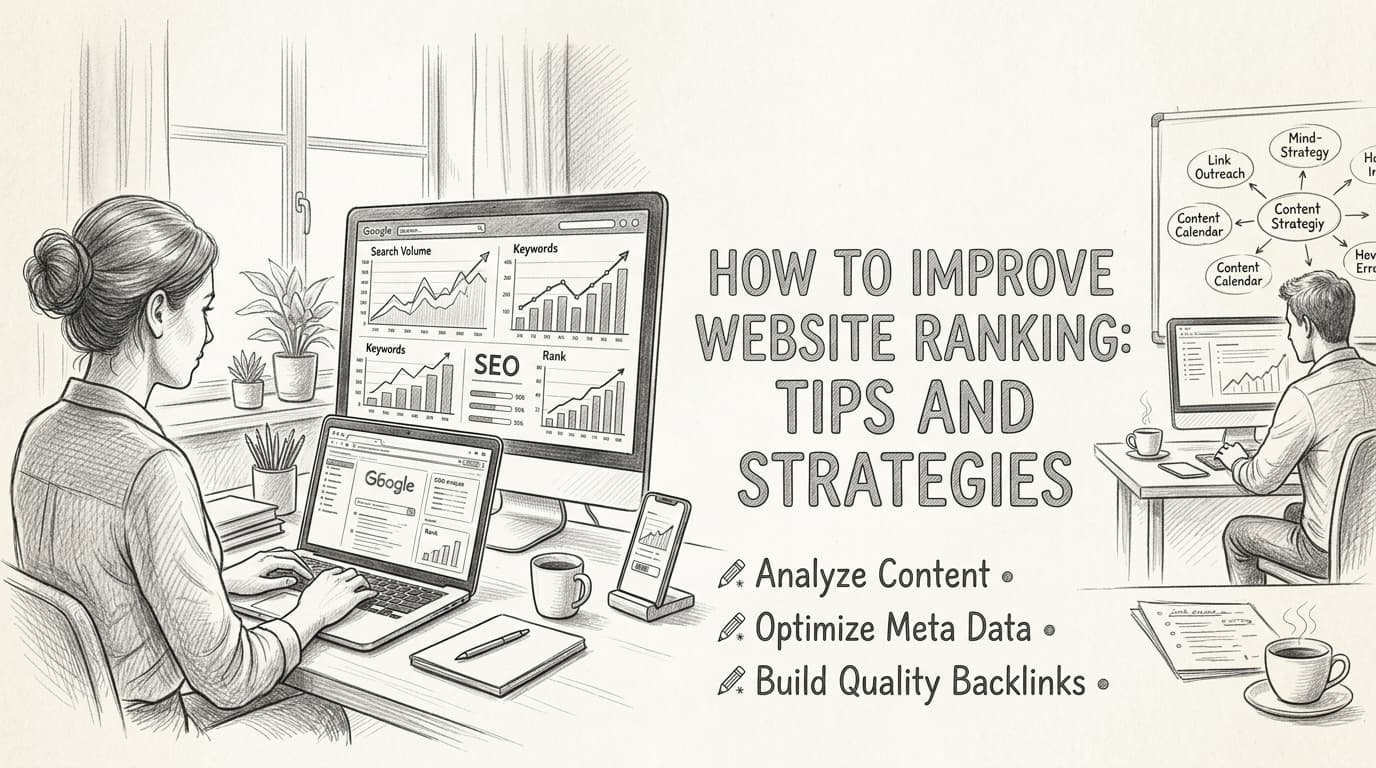
How to Improve Website Ranking: Tips and Strategies
Learn how to improve website ranking with proven SEO strategies. Optimize content, build backlinks, and enhance user experience for better results.
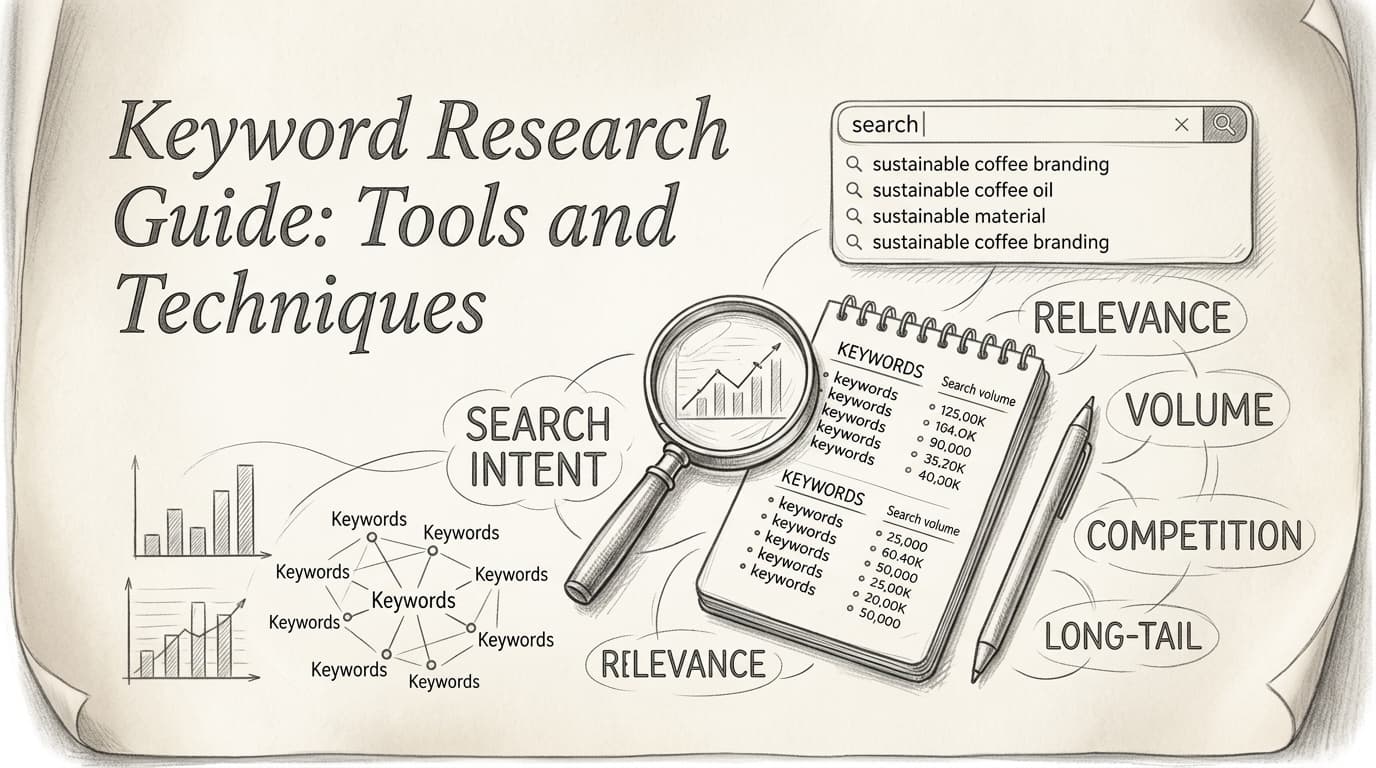
Keyword Research Guide: Tools and Techniques
Discover the ultimate keyword research guide for 2026. Learn tools, techniques, and trends to boost your SEO strategy.
Continue exploring
Free SEO Tools
Put these strategies into practice instantly. Our free tools help you generate meta descriptions, optimize title tags, analyze SERPs, and research keywords.
Explore free toolsFind Your Use Case
See how founders, SaaS companies, agencies, and bloggers use LazySEO to grow organic traffic — with strategies built around their specific goals.
Browse use cases