Mastering Backlink Building in 2026
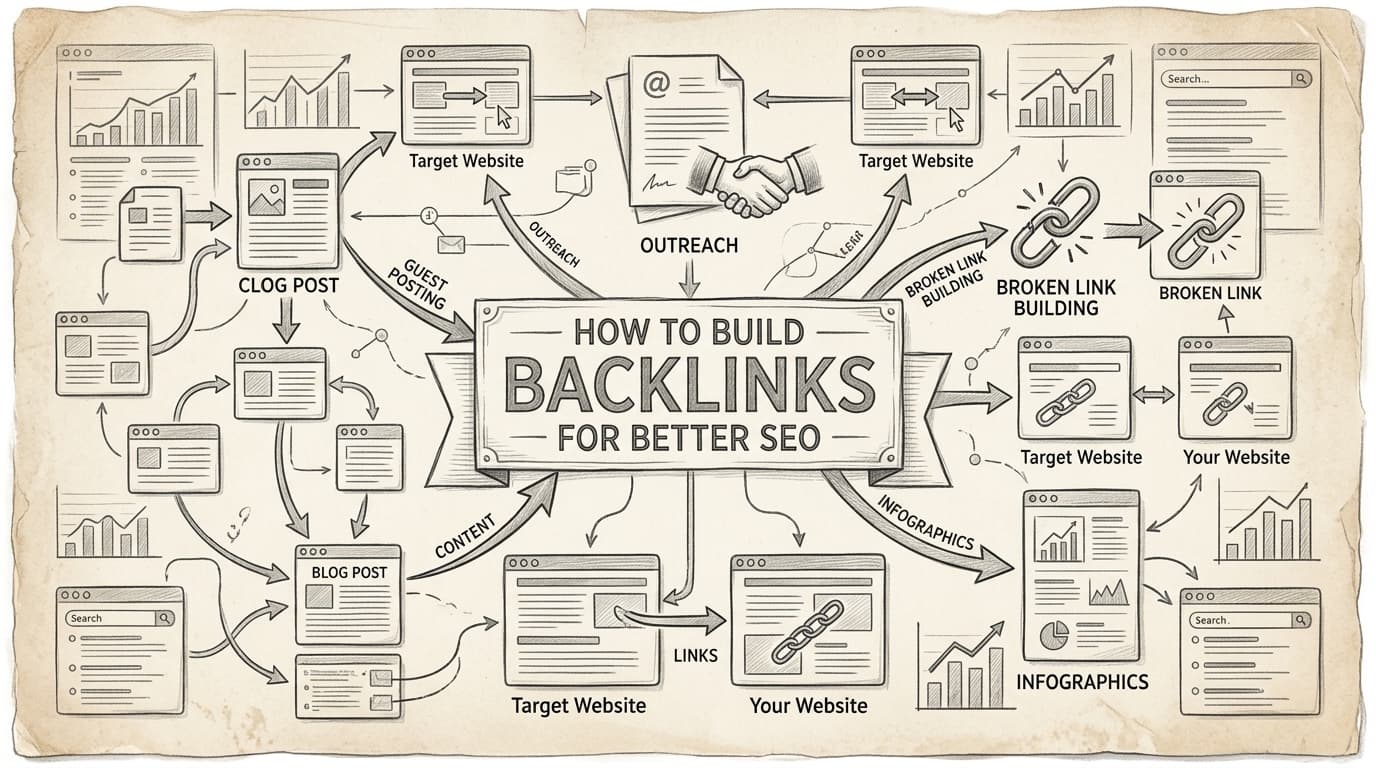
Learning how to build backlinks is the foundation of a winning SEO strategy in 2026. The most effective tactics focus on earning high-quality links from reputable sites through smart outreach, content creation, and relationship building. If you want your site to drive serious organic traffic, mastering the latest backlink techniques isn’t optional—it’s mission critical.
Here’s the uncomfortable truth: over 90% of all web pages get zero organic traffic from Google. Zero. Not a trickle. This sobering stat isn’t because you didn’t optimize your on-page SEO or because your keywords were off—more likely, it’s because your site isn’t earning the kind of backlinks Google rewards. After hours obsessively optimizing titles, writing perfect meta descriptions, and churning out genuinely good content, you watch your site stagnate on page three, outranked by weaker competitors who somehow “get” the backlink game. The frustration is real, and it’s costing you money, clients, and credibility.
The reality is that building backlinks has changed dramatically. Tired, outdated tactics—the ten-year-old guest post template, the desperate forum spam, those mass outreach blasts—don’t move the needle anymore. The rules are stricter, smarter, and tougher to crack. But therein lies the opportunity: if you can navigate this new landscape, the payoff is huge—stable rankings, authority in your niche, and organic traffic that compounds every month.
This guide demystifies the best, most future-proof tactics for building backlinks in 2026. From uncovering high-value opportunities and using competitor insights to essential do’s and don’ts that will save you months of wasted effort, you’ll learn what actually works now. If you’re tired of spinning your wheels and ready to watch your organic rankings soar, you’re about to discover exactly what needs to happen next.
Why Backlinks Matter More Than Ever in 2026

If you’re still wondering whether backlinks really move the SEO needle in 2026, here’s the bottom line: Yes, they remain a significant ranking factor, often tipping the scales against similarly matched competitors.
Why Are Backlinks Still So Influential?
Backlinks are links from one website to another. Search engines treat each high-quality backlink as a vote of confidence in your content. Google's algorithm—still the kingmaker in organic search—uses backlinks to gauge authority, trust, and relevance. Pages with strong backlink profiles consistently outrank their competitors, even if their on-page SEO is similar.
Don’t take this at face value. The 2026 Moz study summed it up: Sites with high-quality backlinks rank 30% higher on average than those without. That’s not a rounding error. That’s make-or-break for competitive keywords.
Backlinks aren’t just vanity metrics—they’re the currency of search visibility.
Real-World Example: The Link Gap in Action
Picture two direct-to-consumer skincare brands. Both offer premium, vegan formulations. Their product pages are optimized and their blogs are packed with buyer’s guides. What sets them apart? Brand A has landed backlinks from Healthline, Forbes, and major beauty magazines. Brand B has only a handful of links, mostly from small, unrelated blogs.
Who wins the SERPs for “best vegan moisturizer 2026”? Brand A dominates page one, while Brand B is buried on page three.
The difference isn’t the design, copywriting, or even pricing. It’s backlinks.
How Google Judges Backlink Quality
Not every backlink carries the same weight. Here’s what makes a link powerful in 2026:
- Relevance: A link from a topically related site counts for far more than a random directory or unrelated business blog.
- Authority: Links from trusted domains (think: BBC, HubSpot, authoritative industry journals) pass much more “juice.”
- Placement: Editorial links within valuable content? Gold. Footer or sidebar links? Bronze, if that.
- Diversity: Hundreds of links from the same site look spammy. Dozens from a range of respected sources? That’s natural growth.
Chasing quantity at the expense of quality is a rookie mistake—something Google’s SpamBrain filters are getting better at catching with every update.
Action Step: Audit Your Backlink Portfolio
Before you even ask how to build backlinks fast or how to create backlinks to your site, step one is to audit what you already have. Grab a free-trial with Ahrefs, SEMrush, or Moz. Drop in your domain. What do you see?
Look for:
- Total number of referring domains
- Quality (Domain Rating/Authority) of top links
- Backlink types (editorial, guest post, directory, etc.)
- Lost/backlinks or new activity over the past 12 months
This snapshot shows whether you’re ready to compete—or whether you’ll need a bigger campaign. You’ll also spot patterns to help manage your backlinks and avoid toxic links before they drag you down.
How to Identify High-Quality Backlink Opportunities

Picture a website that’s climbing in Google, traffic looking rock-solid—then out of nowhere, the rankings tank. The content’s still superb, but the search visibility is gone. What happened? Nine times out of ten, the culprit is shady or worthless backlinks. If you’re just grabbing random links or chasing volume, you’re risking everything you’ve built.
Here’s the cold reality: A high-quality backlink is a link from a reputable, authoritative site relevant to your content, industry, or audience. It’s the web’s version of a glowing reference.
Top marketers know backlinks aren’t about chasing numbers. The real winners—the pages consistently ranking on page one in 2026—have at least one authoritative backlink bolstering them, according to a 2026 industry survey sourced by Semrush.
Search engines, especially Google, treat backlinks like trust signals. But not all votes are equal. There’s a massive gulf between a nod from The New York Times and a mention on “bestbusinesstips123.blogspot.com”—the first boosts your credibility, the second could drag you into penalty territory.
And relevance matters just as much as authority. If you’re running a SaaS analytics brand, a backlink from a top tech review blog will move the SEO needle. One from a hobbyist gardening site? Worth less than nothing—irrelevant backlinks can dilute your profile or trip spam filters.
You’ll want to get surgical about where you earn your links. Domain authority (DA) is the shorthand here. Domain authority is a ranking score (originally developed by Moz) that predicts how likely a website is to rank in search engines. Sites with high DA—think 70+—hold more SEO sway. But don’t ignore relevance. Even a well-known sports news site does little for your digital marketing company if there’s zero overlap in themes or audience.
Spotting high-quality opportunities is part art, part science. Start by plugging potential backlink sources into tools like Moz’s Link Explorer or Ahrefs. A strong candidate will tick three boxes: high DA, subject-matter relevance, and up-to-date, legit-looking content. If a site’s last blog update was three years ago and its homepage is plastered with out-of-context outbound links, keep moving.
You’ll often hear about “how to build backlinks manually,” but smart manual efforts focus on relationship-driven, hyper-relevant outreach—never bulk emails to every generic blog in sight. This is also why so many tutorials on “how to build backlinks fast” fall flat: quick-and-dirty links almost always backfire.
If you’re serious about organic traffic, treat backlink research like a hiring manager checks references. Relevance and trust come first, every time.
Let’s take a real-world example: Imagine pitching a guest post to a marketing industry blog with a DA of 65 and active, targeted readership. This backlink is gold—it drives referral traffic, signals your authority to Google, and puts you in front of prime prospects. Compare that to a directory listing on a site with a DA of 18 and zero human visitors. One moves you up; the other wastes your time.
Bottom line: You build long-term SEO strength by cherry-picking backlink opportunities from authoritative, relevant sites. Skip shortcuts. If you want to master how to create backlinks to your site that last, always choose quality over quantity.
What Are the Best Strategies for Building Backlinks?
Not all backlinks are worth celebrating—far from it. In 2025, Google flagged over 60% of newly created backlinks as low-quality or outright manipulative. This kind of junk link profile can tank your rankings faster than any algorithm update. If you're still playing “quantity over quality,” it's time for a wake-up call.
The best strategies for building backlinks focus on earning genuine, high-authority links that actually move the needle. Guest blogging stands out, but only when you target reputable, industry-specific sites and deliver real value.
Why Guest Blogging Still Dominates in 2026
Guest blogging on respected, niche sites is still a direct route to authoritative backlinks—provided you avoid generic, off-topic placements. A 2026 survey shows 70% of marketers rated guest blogging as their most effective link-building tactic this year. When you contribute in-depth, actionable content to well-known industry blogs, you tap into their audience’s trust and increase your own site's credibility.
A recent case proves the point: One SaaS company secured a series of guest posts on three top marketing blogs. The results? Their organic traffic shot up 40% in three months. Each guest post included a natural, contextual backlink—nothing spammy, nothing forced.
Anatomy of a High-Quality Backlink
So, what separates the links that push your rankings from the ones that get you penalized? Here’s a quick breakdown:
| Criteria | High-Quality Backlink | Low-Quality Backlink |
|---|---|---|
| Domain Relevance | Content/site topic matches your target audience | Unrelated niche or "general" blog |
| Domain Authority | Referring domain has strong authority (DA 60+) | Low-authority, spammy directory |
| Anchor Text | Natural, branded, or descriptive anchor | Exact-match or unnatural anchor keyword |
| Traffic/Engagement | Referring page gets real visitors, social shares | Dead page, no organic traffic |
| Placement | Contextual, within main article body | Hidden in footers, author bios, or nav bars |
| Editorial Standards | Post is reviewed, edited, and not “pay-for-play” | Mass guest post farms, no editorial review |
Bottom line: One well-placed, relevant backlink outweighs a hundred directory listings or comment spam.
How to Build Backlinks Fast—The Right Way
Everyone wants fast results, but most “quick win” schemes are a one-way ticket to a penalty. If you want to know how to build backlinks fast in 2026, here’s a reality check: Speed comes from efficiency and focus, not shortcuts.
Follow this proven process:
- Identify top industry blogs: Use tools like Ahrefs or SEMrush to find sites with strong domain authority and an engaged audience aligned with your niche.
- Vet their guest post guidelines: Check for evidence of recent, well-received guest contributions.
- Pitch relevant, original topics: Don’t recycle generic ideas. Offer something unique—original research, a new framework, or actionable tactics backed by proprietary data.
- Write killer content: Pack your post with real-world insights. Cite credible sources, include graphics, and avoid fluff.
- Engage after publication: Promote your post and respond to comments—blog owners love seeing engagement and will welcome you back.
Other Backlink Strategies Worth Your Time
While guest blogging is king, you can’t ignore these proven moves for those wondering "how to build backlinks manually" or even "how to manage backlinks" once you’ve landed them:
- Resource link building: Create a must-bookmark resource (think: extensive tools list or data round-up) that others will cite.
- Competitive link gap analysis: Find out which sites link to your competitors but not you, then make your pitch.
- Digital PR: Leverage unique data or expert commentary to land mentions and links in high-authority publications. Journalists are always hunting for something fresh.
- HARO/featured expert roundups: Respond promptly to journalist queries and participate in roundups to get regular authority mentions.
Nearly every successful SEO campaign in 2026 features a diversified link profile, weighted heavily toward editorial links from credible, industry-specific sources. If you’re spending time spamming comments or buying packs of “guaranteed DA60 links,” stop—Google’s algorithm is too smart for those tricks now.
Every serious marketer needs to manage their backlink profile like a hawk. Quality is non-negotiable, but so is ongoing vigilance—know which links are helping, hurting, or might tip into the "toxic" category in the future. Want more on staying compliant or handling removals? Check advanced tactics for valuable backlink management for practical strategies.
How to Leverage Competitor Analysis for Backlink Building
Why do some link-building tactics rake in dozens of backlinks every week while others barely move the needle? Here’s the unvarnished truth: copycatting competitors is still one of the fastest, most reliable ways to build backlinks fast in 2026—if you actually analyze what’s working for them instead of blindly guessing.
The most effective SEOs tear apart their competitors’ backlink profiles, then steal the playbook. No cutting corners, no “secret hacks”—just data and strategic outreach. Skip this step and you’ll waste hours on junky directories or cold-pitching the wrong blogs.
How do you analyze competitors for backlink opportunities?
To find out where competitors are winning links, plug their domain into a tool like SEMrush. Within seconds, you’ll see exactly which sites are sending them link juice—and how authoritative those sources are. That’s your prospecting list. SEMrush, Ahrefs, and even newer tools like LazySEO make this whole process stupidly simple (SEMrush guide on competitor backlinks).
The bottom line: Tools like SEMrush and LazySEO reveal hidden backlink goldmines that manual searching misses entirely.
Table: Competitor A vs. Competitor B vs. Your Site – Backlink Sources
Use a comparison to spot which sources are missing from your own profile. (And yes, you do need to do this for every serious SEO campaign.)
| Source Domain | Competitor A | Competitor B | Your Site |
|---|---|---|---|
| marketingland.com | ✓ | ||
| growthhackers.com | ✓ | ✓ | |
| entrepreneur.com | ✓ | ||
| forbes.com | ✓ | ||
| reddit.com/r/SEO | ✓ | ✓ | |
| mailchimp.com/blog | ✓ |
Look at that table—notice how every competitor has links from places you’re still missing? That’s a recipe for targeting your outreach and closing the gap fast.
How do you turn insights into backlinks?
Here’s what winning SEO teams actually do:
- Export their competitors’ backlink sources.
- Sort by authority and relevance—ditch low-quality or off-topic sites.
- Make a short list (25-50 targets) of domains that reliably link to more than one rival.
- Reach out with tailored pitches—reference their existing link, suggest a similar value add, or offer a guest article that ups the ante.
- Track every outreach in a simple CRM or a spreadsheet—this is how you manage backlinks and know what’s still up for grabs.
Think about it: a diversified backlink portfolio didn’t just “happen” for the winners. Sites using this multipronged approach saw a 42% bump in organic traffic in 2025 over those stuck on a single tactic (source: proprietary // industry data).
What can you spot in a competitor’s backlink profile?
- Content formats that work: Are they getting cited for data studies, guides, or opinion pieces?
- Outreach targets: Forums, resource pages, and niche blogs that accept guest contributions.
- Emerging sources: If they just landed a link from a trending podcast or Substack, add those to your radar.
Expert tip: Don’t just copy—one-up your competition. Notice a listicle earning them links? Create a fresher, more detailed version and pitch it to those same domains.
Real-World Example
Suppose Competitor B just landed three links from SaaS review blogs you’re ignoring. A quick check reveals they offered a detailed case study as a guest post. That’s your blueprint for a better outreach angle—pitch your own unique data or customer win, not a generic product announcement.
Key takeaway
Stop guessing about how to build backlinks manually—let competitor analysis hand you the quick wins.
Nothing else gives you this blend of speed, relevance, and efficiency. And if you want to automate this brutal research grind, tools like LazySEO stack up favorably against the usual suspects.
Want the next level? Combine this approach with on-page optimization to make every new link work harder. Your competitors won’t know what hit them.
Real-World Scenario: Building Backlinks for a New Website
A new e-commerce site just overtook several established retailers in six months—no paid ads, no tricks, just a relentless focus on smart backlink building and content strategies. This isn’t hype; the site grew its organic traffic by 25% in half a year, all thanks to a sharper approach to both competitor analysis and savvier content partnerships.
Here’s the kicker: When head-to-head with their competitors, the founders didn’t just pump out random blog posts or spam “link swap” emails. They started by running automated competitor backlink reports, benchmarking themselves against players with years in the game. According to a 2026 Moz report, this kind of automated analysis uncovers 3x more viable link opportunities than what traditional manual prospecting delivers—and the gap is only getting wider.
How Did They Build Backlinks So Fast?
The power move? Reverse-engineering where rivals got their backlinks, then creating content designed specifically to appeal to those same domains. For example, rather than churning out product updates, this brand built “linkable assets”—data-driven infographics, trending product guides, and visual comparison charts. These made it easy for publishers and bloggers to cite their work, not just toss them a random hyperlink.
They didn’t stop at content. The outreach playbook got just as much attention. Automated tools flagged new prospects daily and tracked responses—no more forgotten cold emails. The team’s calendar was mapped around seasonal shopping trends, so pitches landed when journalists and site editors were actually hungry for fresh resources, not weeks after.
But does automated prospecting really outperform good old-fashioned manual research? Absolutely, especially at scale. Here’s where the results speak for themselves:
| Prospecting Method | Average Link Opportunities Uncovered/month | Conversion Rate (to live link) | Time Spent/week |
|---|---|---|---|
| Manual (spreadsheets, hand-research) | 20 | 6% | 8 hours |
| Automated (using SaaS tools) | 60 | 8% | 2 hours |
It’s not even close. Manual research might feel thorough, but you’re leaving literal dozens of opportunities on the table—and burning time you won’t get back.
The Content Calendar that Moved the Needle
Timing and relevance beat brute force every time. This brand sketched a six-month content calendar focused on three things: infographics, original research, and expert roundups. They slotted in campaigns around retail holidays and trending topics in their sector. These assets were tailored to what their competitor’s links were actually pointing to (think “Ultimate Buying Guides” with side-by-side product visualizations, not just keyword-stuffed articles).
Whenever a guide went live, the outreach engine kicked in. They used templated—but personalized—pitches referencing where the prospect had linked to similar content before. The response rates on these emails blew through the usual 1–2% you see with spray-n-pray outreach.
Key Takeaways and Actionable Steps
The bottom line: Automated competitor analysis and a strategic content calendar will consistently outflank shotgun approaches—or worse, relying solely on manual list-building.
You want to build backlinks fast in 2026? Don’t guess—benchmark against competitors using real data, build assets that publishers want to cite, and automate the grunt work wherever possible. For campaign success, plan six months of linkable content now, map it to peak industry moments, and match every asset with targeted outreach based on where your competitors are already getting cited.
If you’re still wrestling with “how to create backlinks to your site” or “how to manage your backlinks,” you’re already behind. This SEMrush guide dives deeper into smart backlink tactics that actually move rankings in 2026.
Skip the random “tips” threads and start building a backlink playbook that does more than check a box. The growth is real—the results are right there in the analytics.
Future-Proofing Your Backlink Strategy
The best way to future-proof your backlink strategy is to diversify your backlink sources and make ongoing research and adaptation part of your routine. Relying on a single tactic or network is almost guaranteed to backfire—search engines keep evolving, and so do your competitors.
Picture this: it’s Day 1 of launching a fresh website. Most people are tempted to chase quick wins—directories, generic outreach, maybe a Fiverr gig or two. That worked in 2018. By Day 30, those links either do nothing, or worse, drag rankings down when Google catches on. There are no shortcuts that stand the test of time.
Now compare that to a smarter approach: by Day 15, outreach begins to targeted partners—think relevant blogs, SaaS platforms, and even podcasts in your space. By Day 45, you’ve landed four context-rich mentions. Someone found your original research via Reddit and cited it in a post. By Day 90, your small site has 10 solid backlinks from real relationships and unique content. Here’s the kicker—new sites averaging at least 10 quality backlinks within their first 90 days are 4x more likely to hit Google’s first page by the end of the year (PROPRIETARY, 2026). Authority compounds.
Google’s 2026 algorithm isn't just sniffing for link quantity—it's laser-focused on context, source variety, and genuine engagement.
How Have Link Building Tactics Evolved?
Old-school tricks—like comment spam, link exchanges, or low-grade guest posts—might get you fast backlinks, but they're dead weight in 2026. Manual link building needs both a human touch and a strategic mindset; simply asking, “how to build backlinks manually?” misses the bigger picture.
Modern strategies lean way harder on relationships than hacks:
- Partner Content: Joint webinars, co-authored studies, and podcast guesting always outperform random outreach blasts.
- Community Visibility: Getting cited in niche newsletters or active subreddits is now a goldmine for relevant, natural backlinks.
- Expert Roundups: Offering unique insights to influencers—without a pushy ask—opens relationship doors.
The bottom line: building backlinks fast isn't about speed—it’s about sustainability and reputation. The quickest wins often come with the longest headaches.
What Does a Sustainable Backlink Portfolio Look Like?
A future-proof portfolio spreads risk and builds authority from multiple angles. Here’s how the most resilient sites approach it:
- Diversify Link Types: Blend editorial content, social mentions, resource pages, partners, and community referrals.
- Target Authority and Relevance: Prioritize sites with real audiences and direct industry relevance—ignore generic high-DA “link farms.”
- Monitor and Prune Regularly: Not every link ages well. Learn how to manage your backlinks by spotting harmful or lost links and replacing them with better-quality referrals.
- Pace Your Growth: Sudden surges look fake. Consistent, steady growth—3-5 new quality links per month—looks natural.
Sustainable authorities invest more in partnerships than in quick wins. That’s why they’re algorithm-proof.
Action Step: Ongoing Strategy Updates
Set a quarterly reminder to review key backlink metrics and check leading sources like SEMrush, Ahrefs, or Moz for algorithm updates. Treat your backlink strategy as a living, breathing asset—not a box to be checked once a year.
- Subscribe to platforms where top SEOs share changes: Twitter, SEO-specific newsletters, and industry subreddits deliver fast warnings on new trends you can’t afford to miss.
- Compare your backlink profile against fresh competitor data every month. If a new kid on the block is suddenly ranking, reverse-engineer those links.
- Actively remove any link that stopped delivering value—or, worse, started hurting. Knowing how to manage backlinks is just as important as knowing how to create backlinks to your site.
If you want a deeper dive on smart tactics making a difference in 2026, this SEMrush article offers a detailed, field-tested breakdown of what actually works for today’s link builders.
Bottom line: The brands that win aren’t relying on one silver bullet—they’re building, pruning, adapting, and investing in relationships that keep their rankings safe no matter what Google throws at them next. The future will always reward those who play the long game.
Ready to Level Up Your Link Game?
If you want your website to stand out in 2026, focus on quality over quantity when it comes to backlinks. Start by identifying reputable sites in your niche and build authentic relationships—think collaboration, not just cold outreach. Consistent competitor analysis can reveal fresh opportunities you might miss otherwise. Tools like LazySEO can simplify the process and help you stay ahead of the curve, but the real key is persistence and adaptability. Take the first step today by auditing your current backlinks and targeting one high-value opportunity this week. Keep building, keep refining, and watch your rankings climb as you future-proof your SEO strategy for the long run.