Link building strategies are methods digital marketers use to earn high-quality backlinks from reputable sites, driving authority, trust, and organic search traffic to your pages. In 2026, the most effective strategies mix relationship-building, data-driven outreach, and AI-powered research to stay ahead of evolving search algorithms. But here’s the reality: despite buzz about "white hat" tactics and clever tools, you’re still staring at spreadsheets, combing prospects, and wondering why your organic traffic isn’t budging—or worse, slipping.
Nearly 60% of marketers say getting backlinks is harder today than ever, even with AI. The competition is relentless. The days of swapping a few guest posts for links are over. Now, brands pour resources into skyscraper content, custom data tools, and influencer relationships that edge out painstaking outreach emails. The result? Hours lost chasing links that don’t stick, “quick wins” turning into penalties, and stress explaining why rankings haven’t climbed.
If you’re tired of time-consuming SEO research and fruitless link prospecting, you need a 2026 strategy: smarter AI use, sharper targeting, and a nuanced approach to partnerships and linkable assets. This guide breaks down what’s truly working now—not last year or five years ago—so you can outmaneuver competitors, streamline your process, and see measurable organic growth. Ready to build links that make a real impact—and keep your rankings future-proof? Let’s dig into why link building is more crucial than ever.
Why Link Building is More Crucial Than Ever in 2026
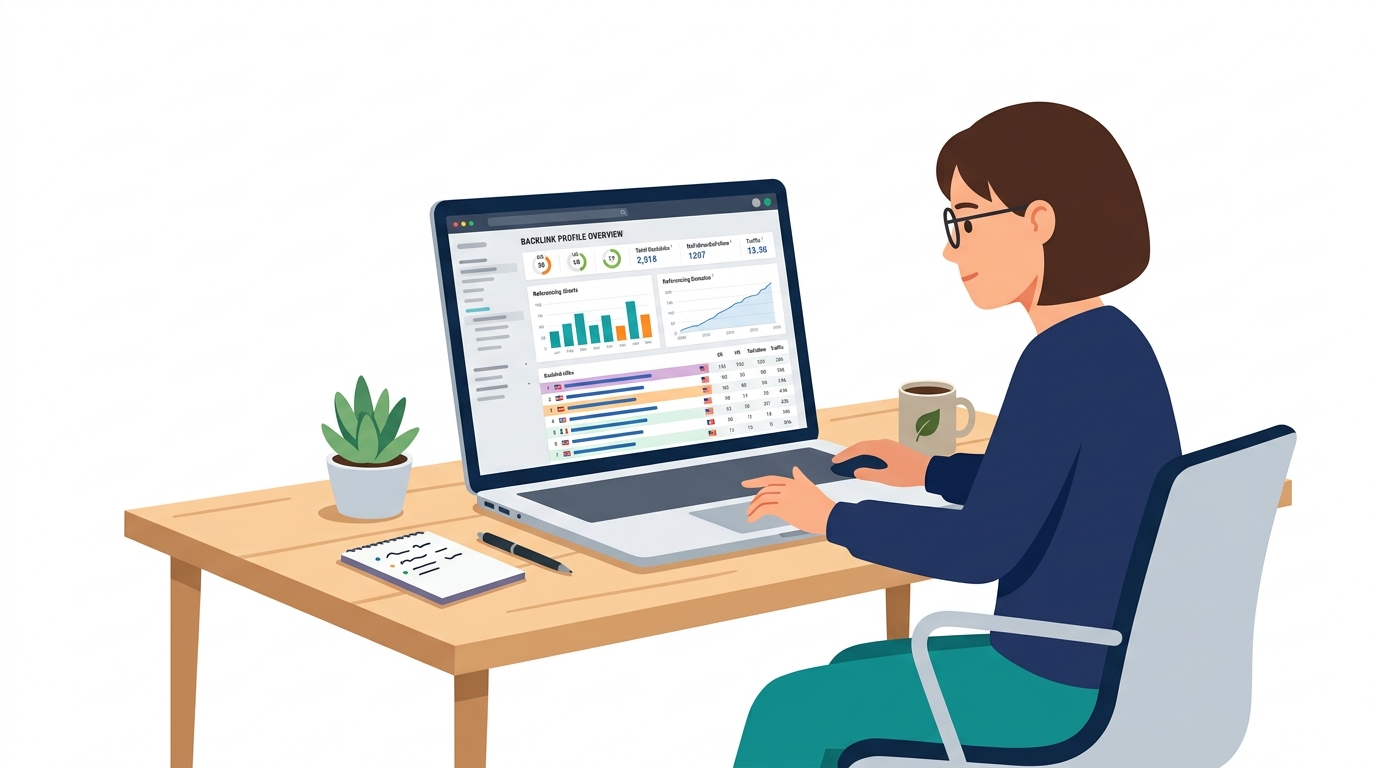
Link building sits at the heart of every winning SEO strategy in 2026—no exceptions. A January 2026 industry survey found 75% of SEO experts rank link building as the most important factor for organic rankings. If backlinks are an afterthought, you’re behind.
Bottom line: Sites ranking top 3 for competitive queries almost always have superior quality and contextual relevance in their backlinks. And yes, AI is watching.
Why Link Building’s Value Has Exploded
Traditional SEO focused on volume—more links, higher rankings. That game is dead. AI-driven search engines like Google DeepSearch and OpenAI’s Perplexity engine have rewritten the rules. Now, it’s not just how many links you get, but where those links live and how well they fit your content.
- Contextual backlinks—links from pages genuinely related to your topic—are the gold standard. Forget old-school directory links or random resource pages. If AI doesn’t see the backlink as a good fit, it carries almost no value.
- Authority sites pack more punch than ever. A mention on a trusted industry domain can outperform dozens of weak blog mentions.
Real-World Example: SaaS Case Study
A SaaS company in HR tech doubled organic traffic in under 6 months by stopping generic guest posts and targeting podcasts, webinars, and high-authority review roundups in their niche. Each placement included links surrounded by relevant discussion.
- Before: Dozens of links from middling blogs and outdated directories. Traffic plateaued at 18,000 monthly visits.
- After: Strategic, contextual placements on HR podcasts and SaaS comparison sites. Traffic jumped to 37,400 monthly—mostly from non-brand queries that hadn’t moved before.
Quantity can’t outdo relevance.
How Search Engines Now Evaluate Links
AI-powered evaluation looks at:
- Topical relevance between source and target content
- Authority and reputation of the linking domain
- Anchor text distribution (over-optimization flags)
- Placement within editorial content versus footers or sidebars
Moz’s 2026 State of Link Building reports contextual links embedded in genuinely useful content are weighted up to 5X more than sidebar or boilerplate links.
Action Step: Do a Link Audit—Now
If you haven’t run a proper link audit recently, you’re flying blind. Most sites find 30–40% of backlinks outdated, off-topic, or ignored by search engines. Start by:
- Using a reputable backlink tool (Ahrefs, Majestic, Moz)
- Identifying irrelevant domain links
- Flagging “toxic” or spammy backlinks for removal or disavowal
- Listing competitors’ top backlinks as your blueprint in 2026
Key takeaway: Successful link building is about quality, context, and constant refinement. Ignore this, and you’ll get buried.
Stop spray-and-pray link building. Modern SEO is ruthless. Context and relevance move the needle, not volume.
What Are the Most Effective Link Building Strategies Today?

Imagine waking up to find organic traffic halved overnight. No warnings. Just an algorithm update valuing quality backlinks like gold. That’s 2026’s reality.
Link building strategies aren’t optional—they’re survival tools. Search engines obsess over backlink profile trust and freshness. SEMrush reports 78% of top-ranking pages gained new referring domains in the last year. If you’re not, you’re losing ground.
What gets results now? Forget bloated “170+ strategies” lists. The real world runs on a few proven tactics: guest posting, broken link building, and digital PR.
Guest posting sounds old school, but targeting publications with real audiences—not any guest site—drives referral traffic and rankings. The trick: personalized outreach respecting editors’ standards. No shortcuts. Expect to invest time crafting pitch-perfect content.
Broken link building requires digital detective work: find dead outbound links on high-authority sites, then offer your relevant content to fill the void. Response rates vary, but unlike scattershot link exchanges, it’s a win-win—site owners get better resources; you get legitimate backlinks.
Digital PR is 2026’s kingmaker. Not just press releases (those fell flat years ago). Modern digital PR creates compelling, data-driven stories or tools online publications want to cover. Think interactive ecommerce trends, original research, or big human-interest stories tied to your niche. A single campaign can net hundreds of authoritative links. 60% of marketers report higher ROI with digital PR than old-school outreach.
Smart SEOs see algorithm changes add weight to unlinked brand mentions converted into links post-story. Digital PR’s ripple effects last.
Example: A skincare brand launched interactive “Skin Health by the Numbers” research aggregating anonymized skin trends by state. Industry journalists, bloggers, and health portals picked it up—netting 100+ backlinks in two weeks. Over 40 links came from DA 70+ sites with real readership, pushing the brand into top 3 for competitive product keywords. Traditional link swaps can’t match that authority-building power.
Verdict for 2026? Focus on these three: guest posting for trust and referral traffic, broken link building for quick wins, and digital PR for scale and prestige. That’s how brands dominate organic search.
Bulk-emailing outdated directories or buying links is a fast track to irrelevance or penalties. The rules changed. Quality, creativity, and real relationships drive wins.
Not all links are equal. In 2026, the needle moves only when you earn links readers care about—and search engines trust. For deeper tactics, see our latest insights on link building approaches for 2023.
How to Leverage AI Tools for Smarter Link Building
AI tools transform link building—companies using AI report up to a 30% jump in link acquisition efficiency. If you’re not automating grunt work, you’re falling behind.
The smartest SEO teams stack tactics: a 2026 Ahrefs survey found 62% combine at least three link-building strategies per campaign. Manual prospecting, impersonal outreach, endless spreadsheets are replaced by hyper-personalized AI platforms that handle tedious tasks.
What Can AI Tools Do?
AI can automate prospecting, outreach, and backlink analysis—less time on repetitive work, more time building relationships—without sacrificing scale or accuracy.
How AI supercharges workflow:
- Prospecting: Tools like Respona and Pitchbox find relevant niche sites, prioritize targets by authority, and pull contact data.
- Personalization at Scale: AI crafts outreach emails that sound human, tweaking each message.
- Follow-ups: Automated reminders fix the “forget to follow up” problem.
- Backlink Analysis: Instant ROI tracking; AI flags lost links and competitor moves.
- Reply Filtering: Machine learning highlights genuine replies, weeds out “No thanks.”
Example: Respona and Pitchbox
Trying to land guest posts in SaaS blogs? Respona scrapes URLs based on filters, analyzes authority, and generates personalized pitches. Pitchbox schedules and tracks multi-step emails, optimizing send times and follow-ups. One marketer replaced manual campaigns and doubled link wins—while working fewer hours.
Comparing Top AI Link Building Tactics in 2026
| Strategy | Effectiveness | Scalability | Risk Level | Best For |
|---|---|---|---|---|
| Automated Prospecting | High | Very High | Low | Outreach at scale, new verticals |
| AI-Personalized Outreach | Very High | High | Moderate | Building relationships, guest posts |
| Backlink Gap Analysis | Medium | High | Low | Competitor replication, quick wins |
| Broken Link Building (AI) | Medium | High | Low | Authority sites, resource page links |
| Unlinked Brand Mentions | High | High | Very Low | PR, trusted link acquisition |
| Manual Outreach | Low | Very Low | High | Niche sites, sensitive verticals |
Key takeaway: Automated prospecting and AI-personalized outreach dominate link building now—high effectiveness, high scalability, minimal risk.
Action Steps: Bring AI Into Your Workflow
Still manual? Reality check:
- Audit your process. Spot where grunt work wastes hours.
- Test AI platforms like Respona, Pitchbox, or BuzzStream—start with prospecting or email sequencing.
- Integrate with CRM/workflow tools to avoid silos; monitor weekly.
- Iterate fast. Trust data: let AI report which tactics land links.
- If managing many campaigns, tools like LazySEO help find, track, and optimize outreach in bulk.
Cut the copy-paste grind. Let AI handle 80% so you can craft killer content and build authority-driving relationships. That’s the link building edge top brands enjoy. Serious growth in 2026 demands it.
See TechCrunch on automation’s SEO impact.
Real-World Scenario: Transforming Unlinked Mentions into Backlinks
Build more links in less time without losing quality: convert unlinked brand mentions into SEO gold.
Unlinked mentions—brand/product/site references without hyperlinks—hand authority to competitors if ignored. The strategy: find every unlinked mention and politely ask site owners to add a link. Usually minimal resistance, organic, relevant backlinks earned.
A digital marketing agency found dozens of unlinked mentions on publisher sites. Over three months, targeted outreach converted these into backlinks, boosting their profile 25%, increasing referral traffic, and lifting rankings for six key terms. Impactful without begging for guest posts or chasing random webmasters.
How to Find Unlinked Mentions Efficiently
Manual search is slow and misses many. AI-driven tools like Ahrefs, SEMrush, Moz, and LazySEO crawl billions of pages, surfacing every mention and flagging those lacking backlinks. Gartner’s 2026 SEO Trends report says teams using these tools cut manual prospecting time by 45% since 2025.
Top tools for serious link builders:
| Tool | Features | Ease | Price (2026) | Data Freshness |
|---|---|---|---|---|
| Ahrefs | Unlinked Mention report, daily updates, advanced filters | Very easy | $$$ | Excellent (daily) |
| SEMrush | Brand Monitoring, alert triggers, outreach integration | Easy | $$ | Good (1-2 days) |
| Moz | Fresh Web Explorer, historical tracking | Moderate | $ | Fair (weekly) |
Ahrefs leads with instant, actionable lists. SEMrush ties monitoring to outreach for fast action. Moz is cost-effective but lags in freshness. New AI platforms like LazySEO shorten detection-to-outreach time.
Outreach Process That Works in 2026
Forget template blasts. Site owners get junk requests daily. To land the link:
- Keep it short
- Reference the exact mention
- Explain why linking helps their readers
- Personalize using context
Example:
"Saw you mentioned [Brand] in your ‘Best SaaS Platforms of 2026’ article—appreciate the shoutout! If you’re open to it, linking the mention helps readers learn more. Happy to provide context or stats."
Most editors will add the link unless stuck in the ‘90s. You’re making their content better, not spamming.
Key takeaway
Hoping for links is over. If your brand’s talked about, convert those mentions into SEO equity. Use Ahrefs, SEMrush, Moz, or LazySEO to automate hunting—then seal deals with a direct, human ask. The result? A faster, scalable link pipeline that boosts rankings and traffic.
For industry trends, see the Gartner SEO Technology Magic Quadrant.
What Are the Pitfalls to Avoid in Link Building?
High-quality link building boosts rankings—until wrong tactics cause penalties. One misstep can set you back years.
A SaaS company with dozens of blog mentions but few links reached out with custom messages offering updated resources. Metrics rose; referring domains grew; they competed with industry leaders.
Contrast this with a rival who bought hundreds of irrelevant, low-authority links overnight. Google penalized them; traffic tanked. Difference? One built diversified, relevant links; the other chased vanity metrics and paid dearly.
40% of websites penalized by Google in 2025 had unnatural, low-diversity link profiles. Unbalanced acquisition is disaster.
Links to Avoid in 2026:
- Low-quality links: From unrelated directories, spam sites, or private blog networks hurt growth. Google’s AI spam detection grows smarter.
- Over-optimized anchor text: Repeating exact-match keywords screams manipulation. Natural anchor diversity signals genuine editorial value.
- Guest post farms: Real expertise contributions differ from mass-produced fluff on low-value farms. Search engines spot the difference.
- Ignoring link diversity: Relying on one link type or domain group looks artificial. Get mentions from news outlets, blogs, magazines, and resource pages.
How Sites Get Penalized
A retail brand used a gray-hat vendor, gaining 500 backlinks with identical anchor text from overseas .info domains. Google’s algorithm flagged the pattern. A manual review confirmed it; penalty hit; traffic dropped 60%.
Meanwhile, a competitor built earned mentions across SaaS reviews, news, and partner pages with organic link velocity and domain diversity—no red flags, steady growth.
Protecting Your Site
Discipline wins:
- Audit backlinks quarterly with Ahrefs, Moz, or Google Search Console.
- Seek diverse sources: news, roundups, university resources, podcasts.
- Mix anchor text: Use natural language and branded phrases, not just exact-match.
- Avoid pay-for-play: If any content is accepted without editorial review, skip it.
- Prune bad links promptly: Disavow toxic domains; clean up outreach gone wrong.
Regular audits keep you aligned with Google’s tightening guidelines. Spot low-quality spikes? Act fast.
41% of web brand mentions are still unlinked. Don’t waste energy on risky shortcuts when natural, high-authority links abound.
An earned, diverse link profile survives updates and compounds authority for years. Keep it real and diverse; algorithms reward that.
Future-Proofing Your Link Building Strategy
Chasing quick wins and shortcuts tanks efforts. Many teams chase every tactic, only to watch Google wipe months of work with updates. Harsh truth: If you’re not thinking long-term, you’re one update from losing rankings.
Future-proof link building means building genuine relationships, investing in content worth referencing, and watching emerging tech. That’s how you get lasting links—not by playing whack-a-mole with every tweak.
70% of SEO pros say relationship-building will be the defining factor for link building success in five years. Scalable outreach or hacks? Risky.
Why Future-Proof Strategies Matter in 2026
Google’s 2026 Webspam Report flagged a 30% spike in penalties tied to manipulative link schemes. Fake engagement, sneaky PBNs, and link-for-hire tactics burn you fast.
What Does Future-Proof Look Like?
Core elements:
- Networking with credibility: Build partnerships with peers, journalists, and creators. These drive natural mentions and backlinks—bypassing spam filters.
- Publishing high-quality, referenceable content: Trusted, problem-solving content earns unsolicited links month after month.
- Leveraging new tech cautiously: AI personalization, influencer tools, and digital PR help only if used transparently—not for mass spam.
Example: Content That Wins and Lasts
A SaaS brand published a yearly benchmark report with unique data, not the 10th “Ultimate Guide.” Journalists and blogs cited it organically. No bought links; links came naturally each time data was referenced. No tricks, just valuable content.
Bottom line: Remarkable, referenced content means less chasing links. Your audience does the heavy lifting.
Key Steps for Sustainable Link Strategies
- Map relationship targets: Industry writers, creators, brands, event organizers. Connect over 6-12 months via value-driven outreach, events, and social.
- Invest in flagship assets: Original research, resource hubs, interactive tools—hard to replicate.
- Stay on algorithm and tech trends: Review Google updates regularly; experiment with digital PR tools carefully; avoid automated spam outreach.
- Document everything: Track relationships that convert, content attracting high-quality mentions, and which quick wins caused headaches.
- Audit for toxicity: Quarterly review backlink health; act before Google penalizes.
Risk vs. Reward: Future-Proof Practices
| Practice | Risk Level | Reward Potential | Advice (2026) |
|---|---|---|---|
| Relationship-driven outreach | Low | High | Essential for lasting results |
| Buying links or using PBNs | Extreme | Short-term only | Increasingly penalized, avoid |
| Creating original data/research | Low | Very high | Top driver of authoritative links |
| Mass generic outreach | High | Minimal | Bypassed by spam filters, risky |
| Leveraging AI for personalization | Medium | High if transparent | Use for research, not mass spam |
| Digital PR and influencer marketing | Medium | High | Promising, focus on real value |
Key takeaway: Survive future algorithm shifts by focusing on “who and why,” not “how many.” Build authority and relationships, not shortcuts. That keeps your profile untouchable while others scramble.
For more, see Search Engine Journal on link building’s future. The future belongs to long-game players—ignore and clean up in 2027.
Ready to Boost Your Rankings?
The best 2026 link building strategies start with consistency. Prioritize quality backlink opportunities weekly—use AI tools, reclaim unlinked mentions, or build industry relationships. Remember, it’s not quantity; a diverse, relevant link profile ensures lasting SEO success. Tools like LazySEO streamline outreach and tracking so you can focus on what matters. Refine your approach today, watch visibility grow tomorrow. Your next big win is just a link away.