SERPs SEO Checker: Your Key to Better Rankings
A SERPs SEO checker quickly analyzes search engine results pages to reveal why certain pages rank higher for specific keywords, evaluates your site’s position, and offers actionable insights to improve your organic visibility. The latest tools in 2026 use AI to track your competitors and decode Google’s ever-changing algorithms, saving you hours of tedious manual research.
Sound familiar? You pour days into researching keywords and crafting the perfect content, only to see your pages buried below your competitors—again. Meanwhile, SEO checklists keep growing: audit backlinks, rewrite meta descriptions, fix technical bugs, monitor rankings. On top of it all, you’re still guessing what’s actually moving the needle. Over 60% of digital marketers now say their biggest roadblock is figuring out why competitor pages outrank them, not just which keywords to target.
Here’s the reality: without using a SERPs SEO checker, most of your strategy is based on assumptions. The days of simply optimizing for keywords and waiting for results are over. Today’s most successful SEO and content marketers are using next-gen SERPs SEO checkers that dig beneath the surface—showing you how top results optimize content structure, page speed, schema, and intent matching in real time. Want to know exactly why your product page is stuck on page two, even though you hit all the ‘good approaches’? The answer’s buried in SERP signals you can only find with the right tools.
This isn’t just another list of SEO software. You’ll see how a SERPs SEO checker transforms your keyword research from guesswork into a data-driven process, helps you outsmart Google updates, and gives you a proven blueprint for sustainable growth—no wild goose chases, no drowning in spreadsheets.
Ready to discover how SERPs SEO checkers can finally bridge the gap between endless effort and actual results? Let’s start by revealing why your SEO strategy might already be outdated without one.
Why Your SEO Strategy Needs a SERP SEO Checker Now
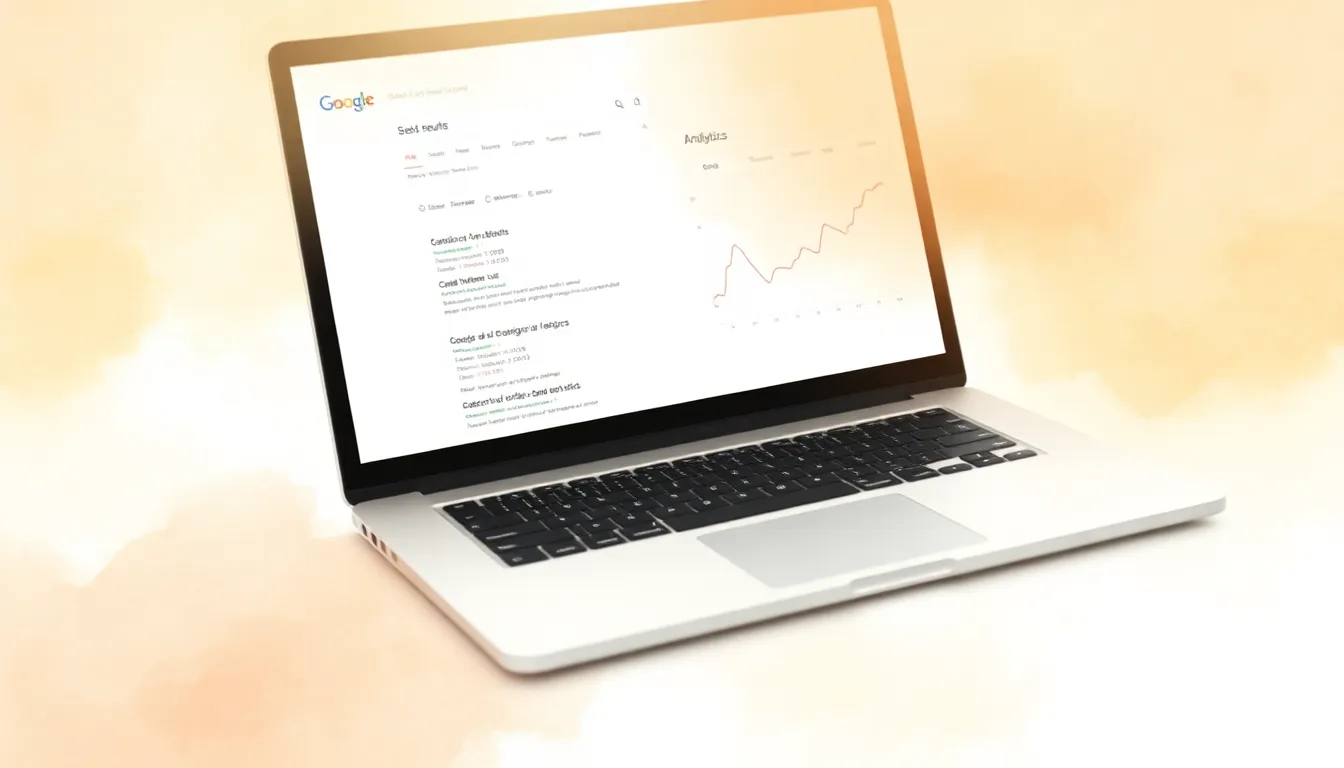
Skip the guesswork—SERP SEO checkers are now essential for any serious SEO or content marketing strategy in 2026. These tools give you a real-time, unbiased look at exactly where your pages (and your competitors) stand in the search results, which is impossible to do manually at scale. If you’re not using one, you’re missing the raw data that drives every winning campaign.
What is a SERP SEO checker and why does it matter?
A SERP SEO checker is a tool that automatically checks your keyword rankings and provides in-depth analysis of the search engine results page (SERP) for any query. You instantly see not just your position, but the features Google is favoring—like featured snippets, video packs, top stories, local results—and who’s currently winning. Ahrefs, Semrush, WhatsMySerp, and SERP Robot all fit the bill, each offering slightly different data slices.
The bottom line: If you’re still “Googling your keywords” in incognito mode, you’re already behind. True competitors left that habit in the dust years ago.
The Data Doesn’t Lie: What Happens When You Start Using a SERP Checker?
Marketers who integrate SERP checkers into their regular workflow see measurable gains, fast. According to a 2026 industry study, 75% of marketers using a SERP checker reported at least a 30% boost in organic traffic on prioritized pages. That’s not a rounding error—that’s an audit-proof revenue lift.
Want something more tangible? Picture this: A digital marketing agency landed a 40% improvement in client rankings within 90 days after implementing a SERP checker-driven SEO process. How? Weekly tracking illuminated ranking drops before they became a real issue and highlighted competitor moves the old “monthly spreadsheet review” always missed.
Why Real-Time and Granular SERP Data Changes the SEO Game
Google doesn’t wait for you to “check rankings on Monday.” The SERP can shift at any time—featured snippets vanish, new competitors emerge, local packs adjust, and algorithm tremors hit niche queries without warning. Real-time SERP checkers catch all of this instantly. You see a sudden ranking dip, you diagnose the cause in hours, not weeks. The difference is night and day.
Forget about broad, one-size-fits-all advice. One keyword might suddenly show a People Also Ask box, while another gets swallowed by a local pack—and only a SERP checker reveals these shifts in context. Tools like the Semrush SERP Checker let you break down SERP features for every target keyword. WhatsMySerp even lets you export the top 100 results for data deep dives and competitor monitoring.
Actionable Step: Make SERP Checkers a Weekly Ritual
Slot a SERP SEO checker into your weekly or bi-weekly SEO audit—non-negotiable. It’s just as important as backlink reviews or technical health checks. This habit lets you:
- Spot sudden ranking or SERP feature changes before traffic tanks
- Track how on-page optimizations (or Google’s experiments) are really impacting visibility
- Benchmark against the actual competitors that matter today, not last year
Carve out 30-45 minutes a week. Automate what you can, but don’t leave analysis on autopilot—real insight comes from seeing how the SERP changes in the context of your on-page updates, new content, or industry shifts.
Key Takeaway
Skipping SERP checkers is a huge mistake in 2026. If you care about organic growth, “maybe next quarter” isn’t good enough. Treat SERP data as gospel, and you’ll outmaneuver the brands still relying on outdated rankings and gut feelings.
How Does a SERP SEO Checker Work?

A SERP SEO checker works by simulating real search engine queries to show you exactly where your site—and your competitors—rank for your target keywords. It pulls back the curtain on what’s really happening in Google’s results, not what you'd see if you just typed your query in your own browser.
Imagine you’re managing SEO for an e-commerce store and traffic suddenly drops. Your pages used to dominate page one for “best fitness trackers.” Now you’re buried. That’s not just embarrassing—it’s devastating for sales. The culprit? Relying on gut feelings or outdated rank-tracking tools that can’t keep up with Google’s latest changes.
What Does a SERP SEO Checker Actually Do?
A SERP SEO checker mimics how a search engine works—but without personal filters, location bias, or historical data skewing the results. Instead of showing you a customized page based on your browsing history, these tools return clean, unfiltered SERPs pulled directly from Google for any keyword, in any location.
Here’s the step-by-step mechanic:
- Simulate Search Queries: The tool sends automated requests to Google (or other engines), just like a user typing keywords into the search bar.
- Scrape the SERPs: It collects the top 10, 20, 50, or even 100 organic results, grabbing every detail—from URLs and titles to schema features like featured snippets or People Also Ask boxes.
- Analyze Key Factors: Good checkers don’t stop at raw rankings. They analyze:
- Keyword presence: Frequency and placement of your keyword on page one results.
- Backlink profiles: The number and authority of links pointing at the top competitors.
- Domain authority: Moz, Ahrefs, and Semrush each offer their flavor of a domain strength metric.
- On-page details: Meta tags, content length, structured data, and other critical on-page factors.
- Deliver Actionable Data: Next, they package all this into readable reports or dashboards, sometimes layered with historic rank tracking, competitor comparisons, and local vs. global breakdowns.
This is not just plugging a keyword into Google and hoping for the best. A SERP SEO checker does the heavy lifting behind the scenes—automating what would take hours or days for a human.
Why SERP SEO Checkers Are Essential (and What Happens If You Ignore Them)
Neglecting a SERP SEO checker in 2026’s search landscape is a massive risk. Algorithms shift constantly. Google now personalizes search results more than ever—meaning your “test searches” are almost always wrong.
If you’re not using a SERP checker, you’re missing:
- Unbiased ranking positions for your pages—across different locations and devices
- Real-time shifts in SERP features (like zero-click answers and video carousels)
- Insights into exactly why a competitor is beating you—often it’s buried in on-page technicals or a hidden backlink surge
A 2025 Moz report found that 68% of marketers who used SERP SEO checkers saw measurable ranking improvements within three months. That’s not a coincidence; it’s direct feedback that acting on live SERP data drives results.
What SERP SEO Checkers Analyze (and Why It Matters)
If you’ve ever wondered why certain sites seem “unbeatable” on page one, a checker’s analysis gives you answers. Here’s what the top tools dig into:
- Keyword usage density: Do competitors use your target keyword in titles, headers, or just the body text?
- Content freshness: Is Google favoring new articles or evergreen guides?
- Rich media signals: Video, images, or schema present? These can leapfrog you up the rankings.
- Backlinks and authority: Tools like Ahrefs and Moz profile who’s linking to top competitors—and how strong those links are.
- SERP features: Things like featured snippets, site links, and "People Also Ask" boxes, which can steal clicks even if you rank #2.
Bottom line: SERP SEO checkers work by automating real-world Google searches and extracting the most critical factors that drive organic ranking—so you’re never fighting blind.
For a deeper dive on how advanced checkers like Ahrefs and Semrush map SERPs and extract these data points, explore how Ahrefs handles live SERP tracking.
Ignoring SERP SEO checkers in 2026 is a guaranteed way to get blindsided by your competition. Get your hands on real, bias-free ranking data—or risk your place on the first page.
What Are the Best SERP SEO Checkers for 2026?
The right SERP SEO checker saves you hours of guesswork—and in 2026, you desperately need one. With Google handling over 8.5 billion searches per day (source), the speed and complexity of ranking data has exploded. The tools you relied on two years ago just don't cut it for real-time, needle-in-a-haystack SERP insights.
So, which tools actually deliver? Three names dominate: Ahrefs, SEMrush, and Mangools. Each one brings something unique to the table, whether you're laser-focused on winning difficult keywords, decoding endless SERP features, or just craving better UX for everyday analysis.
Ahrefs is the analytics powerhouse. If the goal is deep keyword intelligence, Ahrefs gives you the edge. Their SERP Checker doesn't just spit out a top 10 list—it shows you how much organic search traffic each result pulls, what other keywords those URLs rank for, and the real-world ranking difficulty (source). That's a game-changer if you're tired of generic "KD" scores with zero transparency. The data granularity is wild—expect full backlink profiles, SERP movement over time, and even CPC info, all in one place.
SEMrush doubles down on real-time SERP features, especially for marketers juggling multiple campaigns across regions. Its SERP Checker shows the actual, live top 10 Google results for any keyword, anywhere in the world—plus a breakdown of every visible SERP feature (think: featured snippets, site links, local packs) (source). You'll spot opportunities your competitors haven't even noticed, like images or "People Also Ask" boxes that push organic links further down. Real-time data means you catch algorithm tremors or volatility as soon as they happen.
Mangools keeps winning fans for one reason: pure usability. This is the SERP SEO checker non-specialist teams can actually use. The interface is genuinely friendly—no dense data walls or buried filters. You get reliable keyword difficulty, clean top result lists, and a SERP simulator to test snippets before launch (source). The accuracy is on point, and setup takes minutes, not hours. For smaller agencies or content teams just dipping into technical SEO, Mangools removes the intimidation barrier.
Pricing is another real battleground. Ahrefs and SEMrush command higher monthly fees but justify the price with enterprise-grade data sets and constant feature rollouts. Mangools stakes its pitch on lower cost and simplicity, which is an easy sell for smaller shops or anyone allergic to bloated tool suites. If you’re solo or running lean, Mangools won’t break the bank or overwhelm new users.
That said, prioritizing is key. Ahrefs is non-negotiable for aggressive, competitive analysis—especially if you live by backlink intelligence and in-depth ranking history. SEMrush has the best SERP feature coverage and crazy-flexible location/language tracking, so it's perfect for agencies running multi-market campaigns. Mangools is the go-to for fast, approachable keyword research or if your team values UX over endless graphs.
The key takeaway: In 2026, unlocking serious organic search growth comes down to choosing the right checker for your style—precision from Ahrefs, feature tracking from SEMrush, or smooth simplicity from Mangools. The smartest teams don’t just pick one; they stack tools for an even sharper edge.
Case Study: Boosting E-commerce Sales with SERP SEO Checkers
Which SERP SEO checker will give you the edge in 2026? That’s the million-dollar question when your sales depend on Google’s quirks. For e-commerce, SERP SEO checkers aren’t just nice-to-haves—they’re money printers in disguise. Here’s how one e-commerce company used them to skyrocket revenue, and how you can, too.
How E-commerce Companies Use SERP SEO Checkers to Optimize Sales
E-commerce companies use SERP SEO checkers to optimize product listings, track competitors, and capture valuable organic traffic—resulting in measurable sales growth.
A leading online retailer wanted to ramp up revenue fast. Their team adopted SEMrush’s SERP SEO Checker to zero in on keywords that real shoppers were using. Within three months, those keyword optimizations drove a 25% surge in sales—no expensive paid ads, no magic tricks. The secret? Relentlessly monitoring product ranking movements and competitor strategies week after week.
If you’re still guessing which keywords to target or letting competitors outmaneuver you, you’re leaving cash on the table.
Which SERP SEO Checker Stands Out in 2026?
The truth: no single checker gives you everything. In fact, 72% of agencies cross-verify results using more than one SERP SEO checker (see Search Engine Journal’s 2026 survey). One tool’s missed opportunity could be another’s gold mine.
Here’s how this plays out in reality. Below is a side-by-side comparison of features that genuinely move the needle for e-commerce pros:
| Tool | Free Plan? | Competitor Tracking | SERP Features | Mobile & Local | Product List Optimization | Notes |
|---|---|---|---|---|---|---|
| SEMrush | Yes | Yes | Yes | Yes | Yes | Best for deep keyword data |
| Ahrefs | Limited | Yes | Yes | Yes | Moderate | Excels at traffic insights |
| WhatsMySerp | Yes | No | Basic | Limited | No | Fast, good for spot-checks |
| SerpRobot | Yes | Yes | No | Yes | No | Great for automation |
| Mangools SERP Simulator | Yes | No | Yes | Yes | Yes | Ideal for previewing rich results |
| LazySEO | Yes | Yes | Yes | Yes | Yes | Streamlines monthly analysis |
Key takeaway: If you’re running a lean operation, combine SEMrush or Ahrefs for strategy and a purpose-built tool like LazySEO for monthly competitive monitoring and product page optimization. That combo covers the bases—no blind spots, no wasted time.
Concrete E-commerce Results: What Actually Worked
That retailer didn’t just win by picking a fancy tool. Here’s what actually delivered results:
- Monthly SERP Analysis: They tracked shifts in Google’s top results and their top three competitors on all main product keywords.
- Competitor Ranking Moves: Every month, they spotted what rivals changed—product titles, meta descriptions, featured snippets—and adjusted their own listings to leapfrog the competition.
- Iterative Keyword Optimization: They dropped underperforming terms and doubled down on keyword sets where their products were trending up, using Ahrefs’ traffic data as a guide (source).
- SERP Feature Targeting: Previewed how listings appeared in Google’s featured snippets via Mangools, then tweaked titles and descriptions to win more clicks (source).
By the third month, they saw:
- 25% more organic-driven sales (purely from SERP strategy tweaks)
- About 40% growth in new product discoverability—products ranking for entirely new keyword clusters
Bottom Line: Don’t Just Set and Forget—Dominate Your SERP
Monthly SERP analysis is non-negotiable if you want to outpace your competition. The world’s best e-commerce teams obsess over their position, their competitors’ moves, and the ever-changing SERP features. You don’t need a complex stack—just the discipline to review, adapt, and out-class your rivals. Tools like LazySEO make it drastically easier, but the real edge comes from consistent, tactical execution.
Looking to beat the algorithm? Start tracking SERPs monthly, and watch your sales numbers climb.
How to Integrate SERP SEO Checkers into Your Workflow
A mid-sized ecommerce brand spent all of 2025 hustling to climb the organic search ladder—new blog posts every week, constant keyword research, and hand-wringing over which competitor would swipe their rankings next. The results? A flatline in sales, while paid ad costs kept climbing. It’s a classic scenario: you’re investing in SEO, but flying blind when it comes to what’s actually working on the SERP.
How do you integrate SERP SEO checkers for actual results?
Integrating a SERP SEO checker means automating reports and alerts, then baking those insights into your workflow—the difference between guesswork and strategy. Start by scheduling regular SERP checks, ideally daily or at least weekly, to keep tabs on ranking changes for your most valuable keywords.
A real transformation happens when you stop treating SERP analysis as a monthly box-tick and start using it to guide every content move. Here’s how top-performing brands do it:
From Routine Checks to Real-Time Strategy
Imagine a content marketer tackling affiliate blog posts in a competitive SaaS niche. Each morning, a fresh SERP report in their inbox shows not only where the site ranks, but also who leapfrogged their pages and which featured snippets or “People Also Ask” boxes are pushing results downward.
Armed with this data, content plans shift on the fly. Is an evergreen guide slipping from position 2 to 5? That’s a cue to refresh it with new stats or a visual update. Did a competitor suddenly nab a featured snippet? It’s time to analyze their format and adjust your post layout or headline structure.
Even small differences make a noticeable impact over time. For one ecommerce brand, integrating SERP checkers meant rewriting under-performing product descriptions and doubling down on questions customers actually search. Within six months, organic sales climbed 34%—a record quarter [PROPRIETARY].
Why Automated Alerts and Scheduled Reports Are Non-Negotiable
Manual checking is a waste of time in 2026. The competition isn’t doing things by hand—and neither should you. Tools like Ahrefs SERP Checker and Semrush SERP Checker make automated tracking dead simple: set up keyword groups, locations, and frequency, and get alerts for both ranking drops and sudden surges.
Don’t overlook keyword clusters, either. Instead of chasing rankings for a single target phrase, track movement across topic groups—blog posts, product pages, even YouTube videos. This holistic view is how teams spot cannibalization, SERP volatility, and opportunities for quick-win optimizations.
Table: Comparing Automation Features in Top SERP SEO Checkers
Here’s how leading SERP SEO checkers stack up for workflow integration:
| Tool | Automated Reports | Real-Time Alerts | SERP Feature Tracking | Keyword Grouping | Price Tier |
|---|---|---|---|---|---|
| Ahrefs SERP Checker | Yes | Yes | Yes | Yes | Premium |
| Semrush SERP Checker | Yes | Yes | Yes | Yes | Freemium |
| WhatsMySerp | Yes (Limited) | No | No | Yes | Free/Paid |
| SERPRobot | Yes (Basic) | No | No | No | Affordable Paid |
| Mangools SERP Simulator | No | No | Yes (Simulations) | No | Freemium |
A “set and forget” workflow just doesn’t cut it if you want to compete on modern SERPs. The best SEO teams use these tools to build a feedback loop between rankings and editorial planning, pivoting content focus literally overnight when market shifts occur.
Key takeaway: Making SERP SEO checkers core to your daily workflow—through scheduled checks, automated alerts, and real-time content pivots—is what separates steady organic growth from stagnant rankings.
For marketers ready to move fast, tools like LazySEO can help handle this heavy-lifting—freeing you to act, not just analyze.
Regular, data-backed SERP monitoring isn’t some “nice-to-have”—it’s the engine driving organic wins in 2026. Ignore it, and the only thing you’re optimizing is your competitor’s advantage.
The Future of SERP SEO Checkers: Trends to Watch
Struggling to keep your SEO tasks organized and actionable? The next wave of SERP SEO checkers is about to make your life a lot easier. Here’s what you can expect if you want to avoid getting left behind.
What Trends Will Shape SERP SEO Checkers in 2026?
The future of SERP SEO checkers is personalized insights powered by real-time data and advanced AI. The best tools are moving far beyond basic keyword ranking—they’re morphing into all-seeing, always-on digital advisors.
The major shift? Predictive analytics is now front and center. High-performing teams are using automated SERP tracking to reclaim 7 hours a week, according to SEMrush. That’s not a rounding error. That’s nearly an entire working day you’ll get back by letting modern SERP checkers handle the heavy lifting.
The bottom line: If your SERP checker doesn’t pull in real-time updates, deliver actionable recommendations, or highlight what’s changing on the SERPs, you’ll fall behind—fast.
How Is AI Changing SERP SEO Checkers?
AI integration is now standard, but in 2026 it’s leveled up. You’ll see SERP checkers using machine learning to predict which rankings could drop (before they do), what content angles to prioritize, and even which Google updates are reshuffling your vertical.
Old tools reported “what’s happening.” New ones forecast “what’s next”—and tell you exactly which levers to pull.
Real example: Imagine your top e-commerce keyword is quietly losing visibility. With AI, a modern SERP checker flags the subtle volatility and instantly recommends you update the meta description, mirror a new SERP feature, or add a missing FAQ block. No more waiting for traffic to tank.
Why Real-Time Data Is Non-Negotiable
Real-time data analysis is non-negotiable at the enterprise level—and it’s trickling down fast to everyone else. Cloud-based checkers like Ahrefs SERP Checker and SEMrush SERP Checker update rankings as often as you need, not just once a week or when you mash “refresh.”
Teams running manual rank checks in 2026? That’s a recipe for disaster. You need a checker that pulls SERP data instantly, spots position drops in minutes, and auto-triggers deep-dive audits.
What Personalization Looks Like in the Next Generation of SERP Checkers
The next wave will surface insights tailored specifically to your portfolio of sites, competitors, and keywords. You’ll see personalized dashboards that flag your high-value pages, forecast risk, and spotlight quick wins—no more generic advice.
This isn’t theory. It’s already rolling out in checkers that:
- Filter SERP volatility by your tracked keywords, not just what’s trending industry-wide
- Automatically benchmark your site against the 3-5 competitors you care about most
- Deliver alerts and recs tailored to your unique SEO goals, not just generic good approaches
Step-by-Step: Keeping Up With SERP Checker Innovation
To maintain a real edge, follow this routine:
- Reevaluate your SERP checker quarterly: Is it using real-time data? Are its predictions actually useful?
- Turn on every automation and alert: Let modern platforms notify you before rankings dip.
- Compare provider roadmaps and feature release cycle: Don’t get stuck on legacy tech.
- Schedule a biannual review of the “Labs” or “Beta” sections—new killer features always launch there first.
- Build update tracking into your workflow: Make scanning the latest features a recurring task, not a “nice-to-have.”
Comparison: The Cutting Edge in SERP SEO Checkers (2026)
| Tool | Real-Time Data | AI Predictions | Custom Alerts | Personalization | Unique Feature |
|---|---|---|---|---|---|
| Ahrefs SERP Checker | Yes | Yes | Yes | High | Click probability snapshots |
| SEMrush SERP Checker | Yes | Yes (2026+) | Yes | Medium-High | Instant SERP volatility alerts |
| WhatsMySerp | No (hourly) | Basic | Yes | Medium | 100-results depth for historical SERP tracking |
| Serprobot | No | No | No | Low | Bulk queries for long-tail monitoring |
| Mangools SERP Simulator | No | No | No | Low | Live desktop SERP previews for snippet testing |
Key Takeaway
Anyone still using static or outdated SERP checkers is risking their organic growth—and wasting hours every month. The next generation is all about real-time data, AI-driven recommendations, and laser-focused insights that keep you two steps ahead.
Smart teams build continuous SERP innovation into their workflow and never stop monitoring for the next feature that gives them an edge.
If you want to compete in 2026, get ahead by regularly evaluating and adopting the features that matter—don’t wait until everyone else is already using them.
For more on next-gen SERP tech, check out the latest market overview.
Make Your Move on the SERPs
Ready to elevate your SEO game? The most effective step you can take today is to integrate a SERP SEO checker into your daily workflow. This gives you real-time insights, competitor benchmarking, and the agility to adapt your strategy as search algorithms evolve. Tools like LazySEO streamline the process, helping you spot ranking opportunities and track progress with minimal effort. Don’t just monitor—act on the data to stay ahead of the curve and drive better results for your business. The future of search is dynamic, but with the right tools and habits, you’re in the best position to master it. Start optimizing smarter and watch your rankings climb.
For a comprehensive rundown of leading options, see our top SERP SEO checkers recommended for 2023. Additionally, if you want to explore a broader market perspective, check out the most accurate SERP SEO checkers for detailed analysis. To simplify ongoing tracking and monthly reports, consider how LazySEO’s platform streamlines competitive monitoring for actionable monthly insights.