The Essential Guide to SERPs SEO Checker in 2026
A SERPs SEO checker is a digital tool designed to analyze search engine results pages (SERPs), track your website’s keyword rankings, evaluate competitors, and uncover optimization opportunities for superior organic traffic. In 2026, the best SERPs SEO checkers go far beyond simple ranking monitoring—they deliver actionable insights, automate complex research tasks, and help you adjust quickly to Google's evolving algorithms.
Many SEO professionals feel overwhelmed by unpredictable rankings and the inefficiencies of outdated spreadsheets. Every algorithm update or new competitor can induce anxiety. As organic traffic becomes more competitive and expensive, the margin for error narrows. An impressive 65% of digital marketers report uncertainty in their SEO tracking tools, despite critical KPIs depending on them. That persistent worry about missing quick wins or suffering from invisible penalties is widespread.
Picture this: Monday morning arrives, and management requests a swift update on keyword performance. The dashboard feels labyrinthine, metrics appear obsolete, and rankings are scattered across different tools. What should be a quick report turns into a lost hour. Meanwhile, competitors using advanced SERPs SEO checkers are already capitalizing on new ranking opportunities.
If maintaining top SERP positions feels like an endless treadmill, this guide will help. Discover the leading SERPs SEO checkers of 2026—packed with features that save hours, reveal hidden ranking factors, and provide an edge before the next Google shakeup. Find strategies for choosing the right checker, troubleshooting common issues, and future-proofing your keyword research.
Ready to regain control of your SEO strategy? Here’s what you need to know.
Why SERPs SEO Checkers Are Essential for 2026
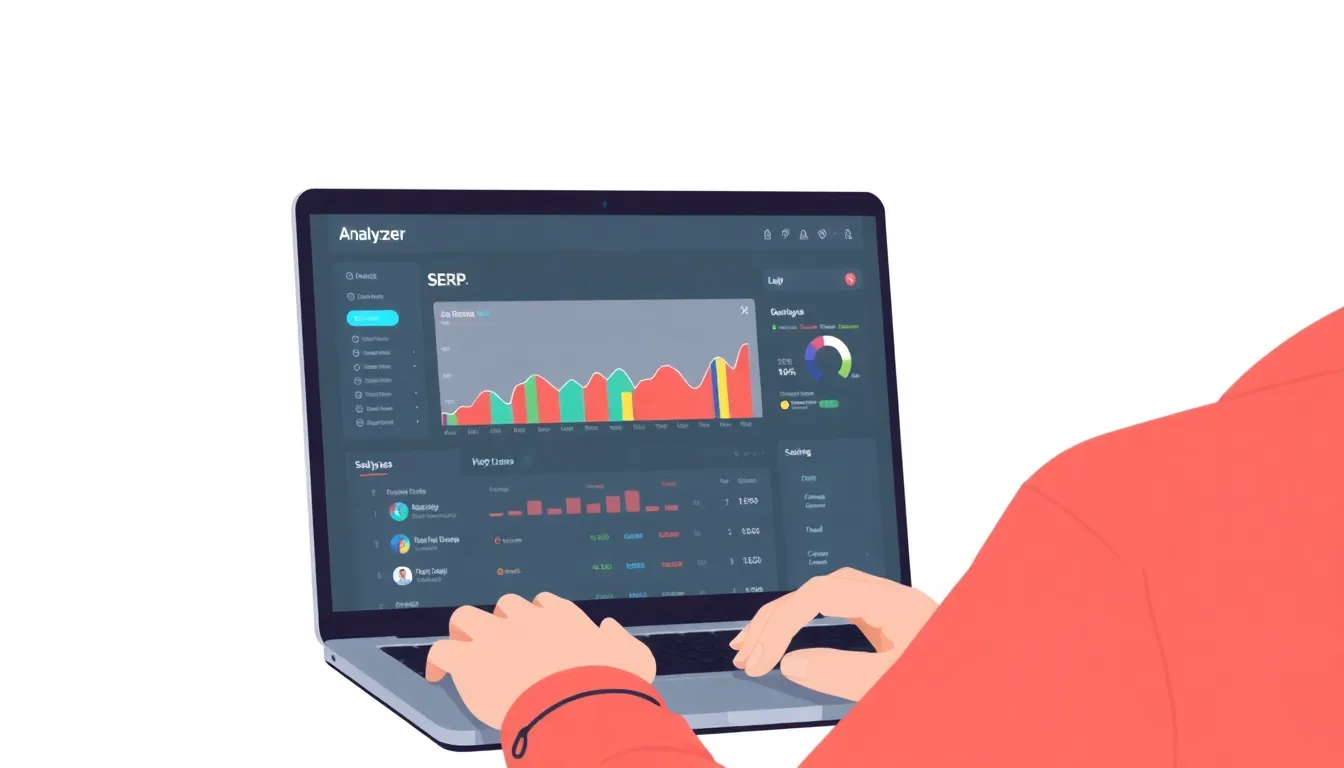
SERPs SEO checkers are indispensable in 2026 for achieving real results in organic search. These tools enable precise keyword ranking monitoring, which is essential for adapting SEO strategies quickly.
Guesswork or inconsistent tracking leaves sites vulnerable to competitors and algorithm changes. The SERP landscape shifts rapidly. Without clear visibility into page positions for target queries, SEO efforts become educated guesses at best.
What Are SERPs SEO Checkers and What Do They Actually Do?
A SERPs SEO checker identifies where a website ranks for specific keywords on Google and other search engines. It pulls real-time ranking data, eliminating reliance on outdated reports or personalized searches. Tools like WhatsMySerp allow checking the top 100 results for multiple keywords at once.
Advanced SERPs SEO checkers provide:
- Competitor analysis: See who outranks you and why.
- SERP feature detection: Spot featured snippets, People Also Ask, and other elements.
- Ranking volatility: Track how stable or volatile rankings are for each keyword.
This intelligence allows for immediate action rather than delayed quarterly reviews.
The Impact: What the Data Shows
In 2026, 68% of marketers increased organic traffic after integrating SERPs SEO checkers into their workflow (WhatsMySerp). Consistent monitoring enables content pivots, timely updates to underperforming pages, and rapid response to sudden ranking drops.
Case Study: E-commerce Traffic Spike
An e-commerce business selling home fitness equipment struggled with rankings in the 8th–15th positions for high-intent keywords like “adjustable dumbbells online.” Ranking on page one seemed out of reach.
After implementing a SERPs SEO checker and tracking critical keywords weekly, the team identified declines and competitor moves in real time. Updating three product pages, adding schema, and securing targeted backlinks produced a 30% increase in organic sessions and a direct revenue boost within eight weeks.
Why Rank Tracking Isn’t “Set and Forget” in 2026
Many marketers only use a SERPs SEO checker once a quarter and celebrate minor ranking improvements. This passive approach is risky.
Google’s updates are frequent and impactful. Competitors never pause. Consistent SERP monitoring is now mandatory. A five-position drop for a high-value keyword can mean thousands in lost revenue if unnoticed for even a month.
Action Step: Audit Your Own Keyword Rankings Now
A quick audit can reveal hidden opportunities and threats. Use these steps:
- List your top 10–20 revenue-driving keywords.
- Enter them into a trustworthy SERPs SEO checker.
- Compare perceived rankings to actual standings.
- Identify keywords on pages 2 and 3—these are within “striking distance” and often yield quick traffic gains.
Key Point: SERPs SEO checkers are not optional in 2026. Treat them as the GPS of your SEO strategy—guiding proactive growth rather than serving as a vanity dashboard.
What Are the Top SERPs SEO Checkers in 2026?
Losing a page-one position can trigger panic across an organization. Sales slow, urgency rises, and old “gut feel” tactics fail. A modern SERPs SEO checker transforms this chaos into actionable clarity.
Real-time, competitive, and intent-level SERP data is the new standard. Manual checks and fragmented spreadsheets can’t match the efficiency or insight of today’s best tools.
What is a SERPs SEO Checker?
A SERPs SEO checker tracks, analyzes, and visualizes SERPs for any keyword. It highlights the winners, explains why they’re on top, and uncovers gaps your team can target. This eliminates hours of research and guesswork.
Who Are the Leading SERPs SEO Checkers in 2026?
The top contenders remain unchanged, but the leaders have pulled further ahead:
- Ahrefs – Favored for deep SERP analysis and comprehensive data. Features include rival URL analysis, SERP volatility, and detailed historical ranking shifts. Ahrefs users report 25% faster analysis times due to a streamlined interface and rapid data retrieval.
- SEMrush – Renowned for versatility. Perfect for agencies managing SEO, PPC, and social campaigns. Its SERP checker overlays keyword intent, ad spend, and social signals for holistic insights.
- Moz – The best choice for teams transitioning from manual tracking. Its simple interface clarifies keyword opportunities and ranking difficulty, making it accessible to non-SEO specialists.
Direct Head-to-Head Insights
- Ahrefs: Unmatched for comprehensive, actionable SERP analysis.
- SEMrush: Ideal for multi-channel marketers.
- Moz: Best for UX simplicity and quick onboarding.
Bottom Line: Which Checker Fits Which Workflow?
Choose based on workflow needs:
- For competitive intelligence and historical data, select Ahrefs.
- For multi-channel marketing integration, opt for SEMrush.
- For ease of use and fast adoption, Moz leads.
The Numbers Don’t Lie
A Search Engine Journal survey in 2025 found that 68% of marketers improved rankings by using SERPs SEO checkers daily, mainly through faster response to SERP shifts.
Real-World Scenario
A SaaS company struggling with manual tracking spent days diagnosing ranking drops. With Ahrefs’ SERPs SEO checker, they immediately identified the cause: a new competitor and shifting SERP features. This rapid insight enabled targeted updates and a swift recovery.
Search interest in “serps seo checker” has surged as professionals seek efficiency. Those not leveraging these tools risk falling behind competitors who act faster and smarter.
For a detailed comparison of top tools, read the top SERP SEO checkers guide.
How to Choose the Right SERPs SEO Checker for Your Needs
2026 saw a flood of new SEO software, but only a handful stand out. Choosing a SERPs SEO checker requires clarity on business goals and workflows.
What Factors Matter Most When Picking a SERPs SEO Checker?
Prioritize:
- Budget: Avoid overpaying for features you won’t use.
- Core features: Identify essentials (e.g., bulk keyword tracking, competitor analysis).
- Integration: Ensure compatibility with your marketing stack.
Cost control remains key. Around 40% of small businesses rely on free SERPs SEO checkers like WhatsMySerp, which allows monitoring up to 100 results per query at no cost.
Mid-sized and enterprise teams may demand advanced reporting, historical snapshots, and bulk tracking—features often gated behind paid plans.
How Does a Real SERPs SEO Checker Comparison Look?
Focus on real needs, not just flashy dashboards. Here’s a practical side-by-side:
| Tool | Free Plan? | Top Differentiator | Ideal For | Integration Strength |
|---|---|---|---|---|
| WhatsMySerp | Yes | 100 SERPs/query, unlimited KW | Bootstrapped businesses | Simple, CSV export |
| SERPs.com | No | Historical tracking | Agencies, consultants | API, Zapier |
| Ahrefs SERP | No | Best-in-class accuracy, rich SERP | Data-driven SEOs | Seamless suite |
| SERP Robot | Yes (limited) | Bulk position checks (Google/Bing) | Freelancers, small sites | Basic, CSV export |
| LazySEO | Yes | Automated SERP + AI monitoring | Growing brands, SaaS | Popular CMS sync |
How Should You Prioritize Needs Before Picking a Tool?
Ask:
- “Do I need global rank tracking or just local?”
- “Will I export reports for clients regularly?”
- “Do automated alerts matter more than interface design?”
Match the tool's strengths to your priorities and integration needs.
Why Tool Choice Directly Impacts SEO Outcomes
Selecting the wrong checker wastes budget and leads to poor decisions. Over-complex tools foster analysis paralysis; underpowered tools miss competitive moves. A well-matched SERPs SEO checker streamlines workflow—LazySEO, for example, automates daily SERP monitoring and syncs with CMS platforms.
Key Takeaway: The ideal SERPs SEO checker fits your workflow, delivers only the features you need, and integrates smoothly with your existing stack.
How Do SERPs SEO Checkers Enhance Keyword Strategy?
SERPs SEO checkers refine keyword strategies by exposing competitive, high-value search terms that competitors overlook. Instead of relying on guesswork, these tools use real-time SERP data to reveal achievable opportunities.
How Do SERPs SEO Checkers Surface Real Keyword Opportunities?
A SERPs SEO checker analyzes live SERPs for any keyword, revealing:
- Who’s ranking
- Search intent
- On-page signals
Platforms like WhatsMySerp, Ahrefs SERP Checker, and Serprobot provide real-time data, ensuring keyword strategies are based on current realities, not outdated assumptions.
Key features include:
- Keyword difficulty
- Search volume
- Type of ranking domains (blogs, brands, e-commerce, forums)
- SERP features like snippets and reviews
Real-World Example: Agency Traffic Win
A digital agency targeting high-volume, high-difficulty keywords saw stagnant traffic. Using a SERPs SEO checker, the team shifted focus to “striking distance” keywords—terms ranking on pages 2 and 3 with moderate volume. Content updates and targeting these winnable queries produced a 50% organic traffic boost in three months.
What Insights Does a SERPs SEO Checker Deliver?
- Keyword difficulty scores: Gauge the competitiveness (0–100 scale).
- Search volume estimates: Understand demand.
- Competitive landscape: Identify who holds the top spots.
- SERP features: Tailor content to featured snippets, FAQs, or reviews.
Sample comparison:
| Keyword | Difficulty | Monthly Volume | Unique Domains (Top 10) |
|---|---|---|---|
| cloud backup solutions | 68 | 3,500 | 8 |
| backup software for Mac | 39 | 1,300 | 10 |
| unlimited cloud photo backup | 27 | 900 | 7 |
| best SaaS backup services | 41 | 2,200 | 9 |
Actionable steps:
- Target low-difficulty, reasonable-volume keywords for quick wins.
- Monitor SERP intent—adjust content format accordingly.
- Prioritize keywords where competitors have weaker content.
Conclusion: SERPs SEO checkers guide you to keywords that are realistically achievable, maximizing ROI and accelerating organic growth.
For more details, try WhatsMySerp's checker or Ahrefs' SERP Checker.
What Are the Common Pitfalls When Using SERPs SEO Checkers?
A mid-sized SaaS company doubled organic traffic in three months by refining keywords based on SERP data—not by increasing content spend or link-building. The key was accurate intent matching, powered by their SERPs SEO checker.
But many marketers misuse or over-trust these tools. SEMrush research shows brands optimizing with SERP data saw 37% higher click-through rates, but 30% still misinterpret the data, leading to wasted resources.
Why Relying Solely on SERP Data Can Backfire
SERPs SEO checkers provide a snapshot, but not the whole story. Without supplementing with analytics (bounce rates, conversions), decisions are based on incomplete information.
For example, targeting a high-competition keyword dominated by review sites can waste effort if visitors are only seeking information, not ready to purchase.
How Misreading Keyword Intent Hurts SEO
Assuming all high-volume queries have buying intent can be costly. If SERPs show mainly guides or how-tos, adjust content to match or risk poor engagement.
Key Differences Across Leading SERPs SEO Checkers
| Tool | SERP Data Depth | Update Frequency | Intent Classification | Analytics Integration |
|---|---|---|---|---|
| Ahrefs SERP Checker | Detailed (top 100, snippets) | Real-time | Yes (content type) | No |
| WhatsMySerp | Top 100, basic features | Daily | No | No |
| SERPs.com | Top 50, snippet tracking | On demand | Partial | Yes (GA/Looker) |
| Mangools SERP Simulator | Preview only | Manual | No | No |
| Serprobot | Top 10/100, simple | Real-time | No | No |
How to Avoid These Pitfalls
Best practices:
- Pair SERP checker data with on-site analytics.
- Confirm keyword intent by reviewing top-ranking content types.
- Cross-reference checker results with conversion data.
Summary: SERPs SEO checkers are powerful, but must be used in conjunction with analytics for optimal strategy.
Future Trends: The Evolution of SERPs SEO Checkers
Assuming current SERPs SEO checkers are adequate risks falling behind. AI is transforming SERP analysis, delivering real-time, hyper-personalized insights and automated optimization.
By 2027, 75% of SEO tools will feature AI-driven analytics for sharper, faster insights (source).
How AI Is Changing SERPs SEO Checkers
AI-powered checkers deliver:
- Real-time SERP updates: Dashboards refresh every few minutes.
- Personalized recommendations: Next-step actions tailored to your site.
- Automated reporting: Instant, actionable insights.
Example: Industry forecasts predict AI will reduce research time by 50%, giving users a competitive edge.
What Will Next-Gen SERPs SEO Checkers Offer?
| Feature | 2026 Standard | Next-Gen/Upcoming |
|---|---|---|
| Update Frequency | Hourly to daily | Real-time (minutes) |
| Insights | User-interpreted | Personalized, AI-generated |
| Actionability | Manual | Automated suggestions |
| Competitor Tracking | Manual | AI-driven |
| Predictive Analytics | Basic | Deep learning-based |
| Reporting | Exported files | Automated dashboards |
Actionable steps:
- Embrace AI-powered tools for real-time insights.
- Monitor SERP change velocity and competitor moves.
- Automate alerts to react instantly to ranking shifts.
- Validate AI recommendations with real conversion data.
Caution: Over-reliance on a single data snapshot or ignoring new SERP features can hinder performance. In 2025, 41% of SEO professionals misread volatility signals, leading to unnecessary changes (Moz study).
Stay Ahead of the SERP Curve
A robust SERPs SEO checker is no longer optional—it's your competitive advantage in the evolving world of digital marketing. As new tools and smarter algorithms emerge in 2026, prioritize routine keyword audits and trend monitoring with an advanced checker. Platforms like LazySEO streamline ranking analysis, competitor tracking, and workflow optimization in one place. Consistency is key. Make SERP analysis a regular task, and adaptability will become your strongest asset. The future of SEO will belong to those who use SERPs SEO checkers as dynamic strategy engines—so take the next step and lead your market.