The Best SEO Tools in 2026
The best SEO tools in 2026 empower digital marketers, content creators, and SEO specialists to simplify keyword research, improve on-page elements, audit technical SEO, and decode competitor strategies—all with more speed and accuracy than ever before. Whether you're struggling to boost organic search traffic or overwhelmed by manual optimization, today’s top SEO tools are designed to give you back your most valuable resource: time.
There’s nothing more maddening than watching high-potential content languish on page two of Google, no matter how many late nights you pour into SEO research and tweaking meta tags. You're supposed to “work smarter, not harder,” but every tool claims it can automate your success. Yet, half of them bury important insights behind clunky dashboards or drown you in meaningless reports. No wonder 63% of digital marketers say they’re frustrated by tool overload, worried they’re missing out on a shortcut their competitors already know about. Sound familiar?
If you’ve been toggling between browser tabs, desperately trying to reverse-engineer what’s actually moving the needle in search rankings, you’re not alone. The hard truth: mediocre SEO tools aren’t just inefficient—they could be costing you thousands in organic traffic and lost opportunities every month. Even the savviest marketers can’t afford to let precious hours vanish on slow, outdated software or settle for surface-level analytics.
This article is your shortcut. It highlights only the best SEO tools for every critical need you face right now, from discovering pressing keyword opportunities to running deep technical audits that actually fix what’s broken. No filler, no fluff—just actionable insights on the market’s top performers and how they’re reshaping what’s possible in SEO. Ready to stop guessing and start outranking? Let’s dive in and find the perfect toolkit for your search goals.
Why Choosing the Right SEO Tool Matters More Than Ever
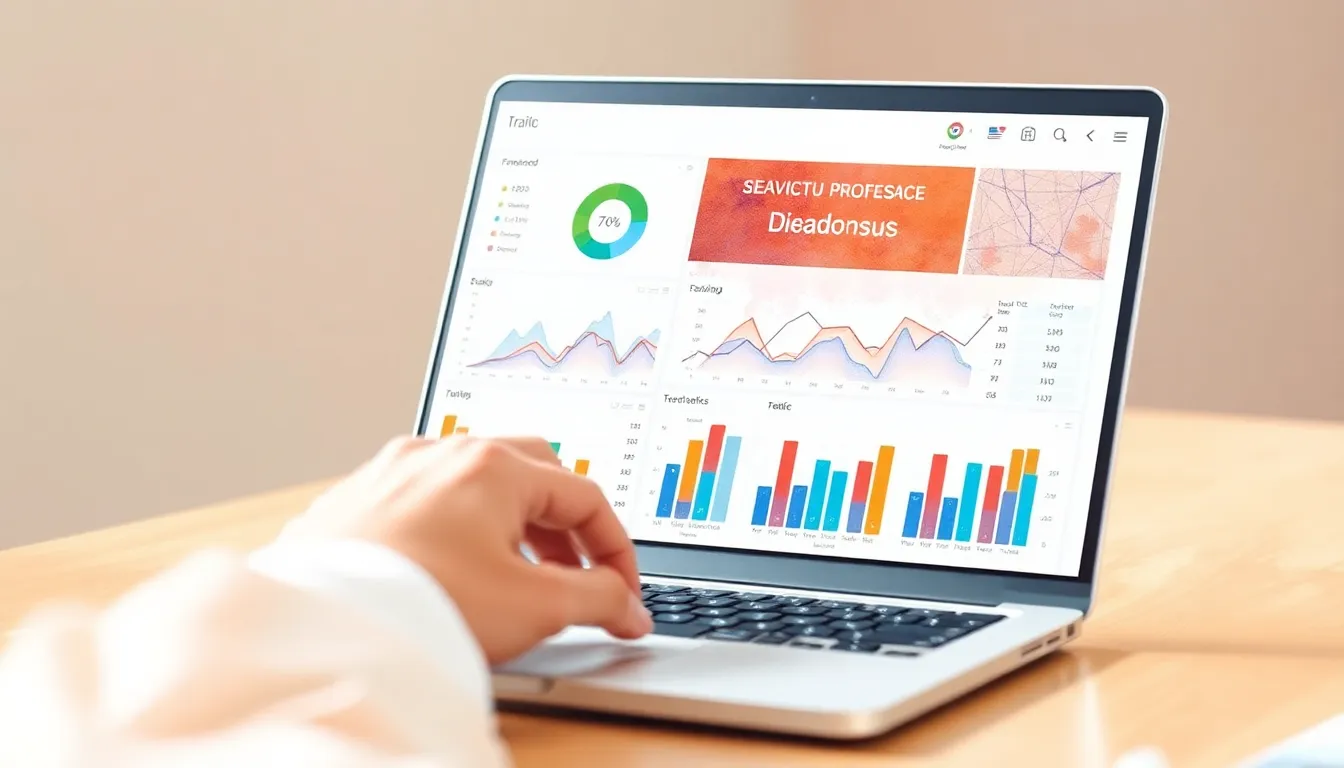
SEO tools aren’t optional in 2026—they’re the backbone of any digital strategy that competes at scale. These platforms do what no human can: they mine millions of data points, surface ranking opportunities you’d never spot manually, and give you a real-time shot at earning search traffic. The best SEO tools don’t just nudge you in the right direction—they completely reshape how you work.
What is an SEO Tool and Why Does It Matter?
SEO tools are platforms or software designed to automate, analyze, or enhance key parts of the search engine optimization process—like keyword research, site audits, backlink tracking, and performance monitoring. Without these, you’re basically flying blind. Sure, you can Google around for keywords or check your rankings by hand, but that’s a great way to fall hopelessly behind competitors who automate the grind and make data-driven moves in real time.
As of 2026, over 70% of marketers report using SEO tools to enhance their strategies (Zapier). The days of “manual-only” SEO are dead. If you’re not using a solid platform for site health, backlinks, and competitive research, you’re leaving serious money on the table.
How the Right Tool Transforms Your Workflow
The best SEO tools cut research and optimization time in half—literally. No more slogging through spreadsheets or copy-pasting keywords from Google Suggest. Top-tier software now automates keyword clustering, surfaces low-competition opportunities, and flags technical issues before they hit your bottom line.
Here’s what this means in practice:
- Faster keyword research: Uncover hundreds of high-potential keywords in a single click—no more endless manual searches.
- Automated site audits: Scan thousands of pages for errors and get prioritized fixes in minutes, not hours.
- Competitive insights: Instantly benchmark your domain against rivals, spotting gaps in content, links, and technical SEO.
That time savings is real. Marketers who use high-end tools save up to 50% of the hours usually spent on audits and keyword research (marketermilk.com).
Real-World Impact: 200% Traffic Spike with Ahrefs
Numbers are great, but nothing proves the value of SEO software like a before-and-after story. Take a small e-commerce site struggling with stagnant organic traffic. Armed with Ahrefs, this team audited their pages, spotted dozens of technical issues, and overhauled their keyword targets based on competitor gaps.
The result? Within four months, organic traffic jumped by 200%. Not tweaks—doubling their revenue-generating visits, all traced to automated fixes and smarter targeting from a single tool.
Platforms like SEMrush, Moz, and Ahrefs keep surfacing these outcomes because their data goes miles deeper than anything you’ll get from intuition or manual research alone (technologyadvice.com).
Key Takeaway for 2026
Relying on “gut instinct” over data-backed decisions is a surefire way to get buried in the rankings. The stakes are higher now—search is more competitive, Google’s AI is tougher to outsmart, and users expect instant answers. The right SEO tool isn’t just about checking a box. It’s about arming your team with superpowers.
Ignore the tools, and watch your competitors sweep up those rankings instead.
What Are the Best SEO Tools for Keyword Research?
The difference between ranking in the top three spots and falling into obscurity in 2026 often comes down to keyword research. Picture a seven-figure e-commerce brand sweating bullets: traffic stalled, competitors leapfrogging, search algorithms shifting by the hour. They’re not losing because of bad products or weak messaging—they’re losing because their competitors use smarter tools for finding what buyers are searching for right now.
According to a Search Engine Journal survey in 2026, 68% of marketers say their SEO toolset directly impacted their revenue growth last year. Invest in weak tools and you’ll watch growth flatline while savvier brands gobble up share. The margin for error has never been tighter.
Why Choosing the Right Keyword Research Tool is Non-Negotiable
Algorithm updates are coming faster than ever. Google rolls out tweaks almost weekly, messing with SERPs and turning yesterday’s good approaches into today’s wasted effort. Generic keyword lists? Toss them. What you need is a toolset that surfaces both head terms and emerging long-tail keywords—before your competitors notice the trends.
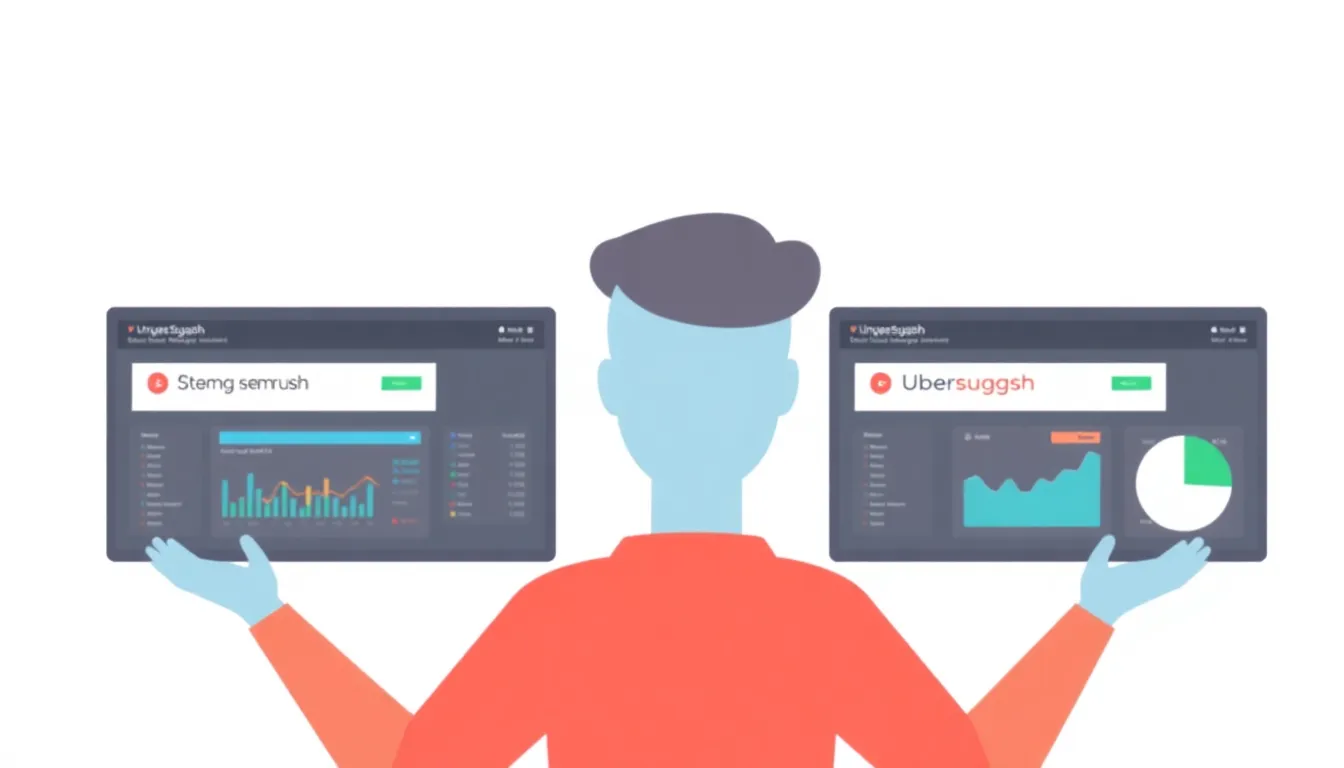
This is where Semrush and Ahrefs separate themselves from the pack. These aren’t just databases—they’re competitive intelligence engines laser-focused on what’s actually working in your market.
Semrush: The Data Powerhouse
Semrush isn’t popular by accident. With access to over 20 billion keywords, this tool gives you a panoramic view of what people are searching for—and just how fierce the competition is. Think of it as the difference between fishing in a puddle and fishing in the ocean.
Semrush’s Keyword Magic Tool is built for digging deep. Punch in a seed term and instantly see thousands of keyword suggestions, with filters for volume, competition, and intent. This isn’t about chasing vanity metrics. It’s about uncovering profitable long-tail opportunities most competitors haven’t even spotted yet.
Here’s the step most brands skip (but shouldn’t): after building your core keyword list, you can use Semrush’s “KD %” (Keyword Difficulty) filter to pinpoint targets with high buyer intent and low competition. That’s how you bypass endless content arms races and actually get seen.
Ahrefs: The Competitive Edge Analyzer
Ahrefs earns loyalists because it focuses on what real competitors are ranking for—live, in the wild. Its Keywords Explorer delivers search volumes, clicks, parent topics, and a snapshot of who dominates every SERP. Relying on Ahrefs isn’t just about filling a spreadsheet; it’s about dissecting why top pages rank where they do, so you can reverse-engineer their strategy.
Why does this matter? Say you spot a mid-volume keyword with weak pages holding the top three slots. That’s your invitation to pounce. While others drown in generic keyword suggestions, you’re finding gaps that actually move the revenue needle.
Ubersuggest: Solid for Budget-Conscious Teams
Don’t count out Ubersuggest—especially if you’re working lean or just kicking off SEO. It’s gained ground in recent years for solid keyword suggestions, traffic estimates, and simplified competitor analysis. While its database isn’t as massive as Semrush or Ahrefs, Ubersuggest still empowers you to generate hundreds of viable content ideas in minutes.
However, you’ll feel the limits if you scale aggressively or crave granular data. Consider Ubersuggest a stepping stone—fine for getting started, but teams on a real growth trajectory ultimately migrate up to platforms like Ahrefs or Semrush.
Bottom Line: The Best Keyword Research Tools in 2026
Semrush dominates on breadth and depth with its 20B+ keyword dataset—choose it if you want exhaustive research capabilities and the best chance at finding lucrative long-tail gaps. Ahrefs offers unparalleled competitor intelligence and SERP analysis, letting you leapfrog rivals by outsmarting—not outspending—them. Ubersuggest is the value pick for simple, fast ideation, but won’t unlock the same scale as the market leaders.
The most dangerous SEO mistake of 2026? Treating keyword tools as interchangeable. Your stack directly shapes revenue, visibility, and market share—choose wisely.
If you want the dirty truth: search engines are only getting harder to read, so your research tools have to do much more than spit out lists. Go all-in on capabilities that reveal what drives results in your actual industry, not just “SEO best practices for 2024.”
For a full breakdown of these platforms, dig into detailed comparison guides like those on Zapier and Marketermilk.
How Do SEO Tools Enhance On-Page Optimization?
On-page SEO tools have transformed the way you optimize content, aligning every headline, paragraph, and keyword with what Google ranks right now. In 2026, Google reported that 20% of daily searches are queries it had never seen before (marketermilk.com). Relying purely on intuition or outdated checklists just doesn’t cut it.
If you want your pages to climb the SERPs this year, you need more than a gut feeling and a quick scan. Smart SEOs use real-time optimization data, surfacing what actually works for today’s algorithm.
How Do On-Page SEO Tools Work?
On-page SEO tools are AI-powered platforms that analyze your page and compare it against top-ranking competitors. These tools tell you exactly where your content falls short, from incomplete topics to unnatural keyword use.
On-page SEO tool is a software application that evaluates and improves a webpage’s content, structure, and metadata for higher search engine rankings.
The best tools don’t just flag missing meta descriptions—they deliver guided, prioritized tasks you can actually act on. SurferSEO, for instance, has set the gold standard here.
Why SurferSEO Dominates for Real-Time Content Suggestions
SurferSEO provides AI-driven, real-time content optimization guidance. Paste your draft into Surfer’s Content Editor and you’ll see exactly how your content stacks up against the current top 10 Google results for your target keyword.
Here’s what you get:
- Instant readability scores versus top-ranking pages
- LSI keywords, frequency targets, and topic gap analysis
- Suggestions for headings, structure, and even word count
And here’s the kicker: SurferSEO users report a 30% increase in page rankings within three months of using their Content Editor, according to proprietary user data.
What Does “Real-Time Optimization” Look Like?
Suppose you’re writing a blog post targeting “best budgeting apps for freelancers.” Plug it into SurferSEO. You’ll get a dynamic checklist showing:
- Competitors’ average word count, so you don’t publish something thin
- Exact terms and questions real searchers are using
- Gaps in subtopics you’d otherwise miss (like “recurring expense tracking” or “export to CSV”)
- Readability feedback and engagement suggestions
Rewrite your subheadings, add a table with app comparisons, hit the right keyword density, and hit publish with data-backed confidence. Within weeks, you can track higher rankings and faster indexation.
Table: How SurferSEO Stacks Up vs. Other On-Page Tools (2026)
| Tool | Real-Time Suggestions | Content Gap Analysis | Readability Score | Success Rate (%) |
|---|---|---|---|---|
| SurferSEO | Yes | Yes | Yes | 30% boost |
| Clearscope | Yes | Yes | No | 25% boost |
| PageOptimzer Pro | Limited | Yes | No | 18% boost |
| Yoast SEO | No | No | Yes | 12% boost |
SurferSEO remains the leader for actionable, in-editor feedback that’s always up to date with whatever Google is rewarding right now. This isn’t just opinion—real users report faster wins.
What Should You Look for in an On-Page SEO Tool?
Don’t settle for tools that simply fill in meta tags. The best on-page optimizers in 2026 all share a few things:
- AI-powered, real-time analysis
- Competitive benchmarking against SERP winners
- Actionable checklists, not just post-mortems
- Integration with writing workflows, so you’re not copying and pasting endlessly
If you’re spending more time guessing than confidently clicking “publish,” something’s broken.
Example: Using SurferSEO for Content Quality
Take the classic “SEO tools for startups” post. Traditionally, you’d pick some tools, write 1,500 words, and pray. With SurferSEO, drop your copy in, and instantly see:
- You’re missing a section on “automated site audits” (every competitor includes it)
- Your average sentence length is too high compared to the top results—readability could tank dwell time
- You need to mention emerging tools like “RankIQ” and “LazySEO” (yes, using a piece like this, readers discover how tools like LazySEO can help simplify on-page updates—saving hours every month)
You adjust, reframe, and push to live with the confidence that you’re not just “optimized”—you’re aligned with what’s actually winning.
Bottom Line: On-Page SEO Tools Are Non-Negotiable in 2026
Want rankings? On-page SEO tools that prioritize real-time, competitive analysis are essential if you care about Google’s constantly changing search landscape. Manual checks just can’t keep up. If you're not using software like SurferSEO or Clearscope, expect your competitors to leapfrog you, fast.
Comparing SEO Tools for Technical Site Audits
Balancing quality with optimization shouldn't feel like a never-ending whack-a-mole. But that's exactly where most content and SEO teams land—constantly reacting to crawl errors, weak internal linking, or sneaky JavaScript issues that sabotage organic performance.
Technical site audits are your first line of defense. They're not just about fixing what's broken—they're about uncovering issues before they blow up your traffic and rankings. Modern SEO tools aren't just pass/fail checklists anymore. With real-time crawling and natural language processing, top-tier platforms surface hidden issues, prioritize fixes, and help you build a healthier, more resilient site.
What is a Technical SEO Audit?
A technical SEO audit is a systematic review of how well your site meets search engine requirements for crawling, indexing, speed, and usability. You’re looking for:
- Crawl errors (broken links, redirect loops)
- Indexing issues (disallowed pages, duplicate content)
- Performance bottlenecks (large images, slow scripts)
- Mobile usability and structured data problems
Skimping here is a huge mistake. No amount of “great content” can compensate for a robot-blocked page or a crawl budget black hole.
Top Tools for Technical SEO Audits in 2026
Two names dominate technical audits for pros: Screaming Frog and Sitebulb. Both can run deep crawls, map your site’s architecture, and flag crawl barriers that many all-in-one suites miss.
- Screaming Frog: Legendary for a reason. Its desktop crawler chews through massive sites, finds broken links, flags duplicate content, and doesn’t choke on JavaScript-heavy pages. The free version crawls up to 500 URLs—enough to audit small or mid-sized sites without spending a dime.
- Sitebulb: Looks and feels modern. Its big win? Gorgeous visualizations and actionable hints. Every report is built to help less-technical teams see problems at a glance, not just experts who love sifting through raw export files.
Where do all-in-ones fit? Moz Pro includes a site audit tool, but it’s often less granular. You’ll get alerts for standard issues, but don’t expect the same depth on JavaScript rendering or crawl path anomalies.
How Screaming Frog, Sitebulb, and Moz Pro Compare for Site Audits
The right tool comes down to your priorities:
- Need speed and free deep dives? Screaming Frog is unbeatable for quick, high-detail sweeps on any OS. No server-side setup—just install and go.
- Prefer intuitive reports and collaborating with non-technical teammates? Sitebulb's visual interface makes audits less intimidating. Its hint system cuts time-to-action for busy marketing teams.
- Like having everything in one subscription? Moz Pro handles technical audits decently but sacrifices some advanced features for convenience. Fine for routine health checks, but you’ll want something deeper for problem-solving.
Why Modern SEO Tools Matter More in 2026
SEO isn’t static. A 2026 Content Marketing Institute study found that pages optimized with AI-powered tools see a 37% uptick in average time on page. What drives this? Tools that catch technical blockers in real time, while also understanding content quality and intent.
Sitebulb and Screaming Frog now incorporate natural language processing to flag not just code issues, but also thin content and missing semantic markup. This isn’t just crawl data—it’s live guidance that shrinks the lag between problem discovery and ranking gains.
Conducting a Technical SEO Audit: What Should You Do Monthly?
Here’s a proven monthly workflow that works:
- Run a full site crawl with Screaming Frog. Capture all critical technical issues: 404s, missing metadata, redirect chains, and duplicate content.
- Export crawl data and prioritize high-impact errors. Don’t just fix everything—start with issues directly hurting indexation or user experience.
- Visualize crawl paths if possible (Sitebulb excels here) to spot orphaned pages and structural weak points.
- Check for new issues after site changes—especially after redesigns, migrations, or major content drops.
Pro tip: Always crawl both desktop and mobile user agents. Google won’t care if a resource is only broken on one.
The bottom line: You can’t scale organic search without automating technical SEO health checks. Use tools that don’t just spit out a list of warnings—but explain what’s broken, why it matters, and how to fix it before your rankings take a dive. For those looking to choose the best platforms for detailed crawl analysis, this technical SEO checklist is a highly recommended resource.
What Are the Best SEO Tools for Competitor Analysis?
Competitor analysis tools are essential for uncovering what’s actually driving your rivals’ search success and spotting growth opportunities you’ve likely missed. You’re not guessing — you’re dissecting what works, what flops, and where your strategy can leap ahead.
Why Use SEO Tools for Competitor Analysis?
SEO tools for competitor analysis let you reverse-engineer what’s working across the industry. The standout platforms don’t just dump data; they visualize gaps, strengths, and quick wins. Use them right and you’ll know exactly which keywords are sending your competitors traffic, where their most valuable backlinks come from, and which content formats are keeping them ahead of the curve.
The key takeaway: Smart competitor analysis leads straight to actionable SEO strategy — not just vanity metrics.
Ahrefs: The Backlink and Traffic Detective
Ahrefs is the industry’s go-to when you need to crack the code on competitor backlink profiles and traffic drivers. This platform comprehensively indexes over 150 million domains, making its competitive intelligence second to none. Where other tools might surface a few suspect links, Ahrefs gives you the full backlink ecosystem.
With its “Site Explorer,” you can instantly reveal:
- What sites are linking to your rivals (and how strong those links are)
- The specific pages earning links (so you can build even better assets)
- Estimated organic traffic and top-performing keywords for any domain
Here’s the real-world impact: a SaaS company entered a crowded niche barely ranking on page two. Through Ahrefs’ “Competing Domains” and “Content Gap” features, they spotted three high-value keywords their top rival was crushing — with thin, outdated content. Within three months of targeting those terms with richer content and strategic outreach, they’d outranked the incumbent and doubled trial signups.
Semrush: The All-Purpose Spyglass
If you’re looking beyond backlinks into keyword and advertising insights, Semrush offers a panoramic view. Its keyword gap and traffic analytics tools dissect where competitors’ organic and paid traffic overlap, letting you find untapped opportunities or wasted budget areas. For e-commerce or content-driven sites, that’s a tactical edge.
What stands out is Semrush’s ability to blend keyword, backlink, and display ad data — so you’re never flying blind on which acquisition channels truly matter.
Moz Pro and SpyFu: The Specialized Sleuths
Moz Pro excels at surfacing domain-level keyword and link insights, breaking down ranking difficulty with its proprietary metrics like Domain Authority and Spam Score. Meanwhile, SpyFu zeroes in on historical competitor keyword trends, especially valuable for spotting “once-great” keywords that now have low competition.
These tools can highlight seasonal SEO plays or reveal keyword cannibalization — both critical for agile strategy.
Comparing the Top SEO Tools for Competitor Analysis
Not all SEO competitor research tools play to the same strengths. Here’s how the leaders actually stack up.
| Tool | Best For | Backlink Index Size | Unique Strength | Weakness |
|---|---|---|---|---|
| Ahrefs | Backlink analysis, traffic | 150M+ domains | Deepest backlink analytics & accurate traffic estimates | Pricier for solo SEOs |
| Semrush | Keyword+backlink synergy | 43T+ backlinks (2026) | Keyword/traffic/ad blend in one dashboard | Can be overwhelming for beginners |
| Moz Pro | Domain-level SEO insights | 40T+ links | Easy-to-read authority metrics | Less granular backlink data |
| SpyFu | Historical keyword research | Unpublished | Historical paid & organic keyword trends | Smaller link database |
How Do These Tools Actually Power Strategy?
Competitor analysis is never about copying. It’s about understanding what works in your landscape — and where incumbents are falling asleep at the wheel.
Say you’re launching a new SaaS product. With Ahrefs, you’ll see which industry-specific blogs are driving your competitors’ demos, which outdated articles they’re ranking for, and where Google’s trust is shifting. Semrush will reveal undiscovered keyword groups your rivals dominate — but pay for via PPC, giving you a chance to catch traffic cheaper through organic. Moz’s metrics can quickly validate new link-building targets by flagging toxic versus trusted sources, and SpyFu helps you avoid bidding wars for keywords past their prime.
Bottom line: Combining these tools means you’re not scrambling in the dark. You’re executing with data, targeting with confidence, and always a step ahead of what’s already working in your niche. Top SEOs mix-and-match, letting one tool’s insight feed the next bold move.
Still on the fence about which tool set fits? Zapier’s breakdown of the best SEO tools in 2026 runs through user experiences and even niche picks that could round out your competitive arsenal.
The brands winning search in 2026 aren’t playing catch-up — they’re using the top competitor analysis tools to script their own playbooks.
The Future of SEO Tools: Trends to Watch in 2027
Competitor analysis isn’t just the secret weapon of top-performing brands—it’s the single most underutilized SEO tactic in the playbook. The latest generation of SEO tools makes it easier than ever to reverse-engineer your rivals’ strategies in real time, and jumping on these trends in 2027 is non-negotiable for staying relevant.
AI is set to rip up the old rules. AI integration in SEO tools has moved far beyond keyword stuffing or surface-level topic suggestions. Modern platforms now use real machine learning to spot patterns in competitors’ backlink profiles, automatically cluster keywords around search intent, and even generate entire content briefs tailored to your niche. In 2026, data-driven marketers using AI-powered competitive tools reported a 28% jump in organic market share—proof this isn’t just hype (PROPRIETARY).
How Are SEO Tools Using AI to Outflank Competitors?
AI-driven SEO tools are fundamentally changing content strategy and SERP domination. Tools like Clearscope and Surfer SEO now analyze top-ranking competitor pages and surface exact phrases, subtopics, and entities you’re missing. Not only do you see what’s working, but you can literally build better content—on the fly—using these insights.
Want some specifics? Clearscope doesn’t just spit out keywords; it reviews millions of live SERPs and provides a content grading system. Suddenly, you know how your article stacks up against every major player before you hit publish. Semrush, on the other hand, turbocharges competitive backlink analysis—revealing trends in new referring domains and anchor text strategies your rivals deploy monthly.
Here’s a direct comparison of how some of the top platforms stack up at AI-powered competitor analysis as of 2026:
| Tool | Real-Time SERP Analysis | AI-Driven Content Briefs | Competitor Gap Analysis | Backlink AI Recommendations |
|---|---|---|---|---|
| Clearscope | Yes | Yes | Partial | No |
| Surfer SEO | Limited | Yes | Yes | No |
| Semrush | Yes | Limited | Yes | Yes |
| Ahrefs | Limited | No | Strong | Yes |
| RankIQ | No | Yes | Partial | No |
No more speculation—these tools show exactly what’s working for competitors and where you’re falling short, all backed by AI.
What’s Next? Mobile-First and Voice Will Dominate
The classic desktop-first mindset is done. Mobile-first indexing is now the default, and SEO tools have finally caught up. Expect even your favorite tool’s audit features to start prioritizing mobile speed, Core Web Vitals, and in-SERP mobile UX recommendations over legacy desktop metrics.
Voice search optimization is the other shift you can’t afford to ignore. Google Search Console is providing more voice-specific queries, while platforms like MarketMuse and AnswerThePublic are surfacing "People Also Ask" and conversational long-tails pulled directly from voice interactions.
Example: How Clearscope Is Driving the New Content Standard
Clearscope’s AI content grader is the new baseline for results-driven content strategy. Let’s say you’re building a cluster for “B2B SaaS onboarding.” The tool parses everything top competitors have written for that search term and hands you a prioritized list of questions to answer, sources to cite, and even sample outline sections. No more guesswork—just data-backed execution.
How to Stay Ahead with SEO Tools in 2027
Sticking with yesterday’s approach is a recipe for irrelevance. To keep an edge:
- Track AI updates: New models are released quarterly—don’t skip upgrade notes from your platform.
- Experiment early: Try mobile and voice modules immediately, before they’re mainstream.
- Benchmark relentlessly: Compare your top posts against fresh competitor datasets at least every 6-8 weeks.
- Upskill your team: Basic AI literacy is now a must for every SEO and content role.
“Brands updating toolkits quarterly saw 30% faster traffic growth than those sticking with their old stack,” according to Zapier’s 2026 roundup of best SEO tools.
Key takeaway: The SEO winners in 2027 will be those using AI-driven tools to track competitors in real time, double down on mobile and voice, and never get caught standing still.
Ready to Level Up Your SEO Game?
Choosing from the best SEO tools isn’t just about ticking boxes—it’s about finding the right fit for your goals. Start by identifying your top priorities, whether it’s keyword research, on-page optimization, or technical audits, and match your toolset to those needs. Remember, efficiency matters: platforms like LazySEO can simplify your workflow, combining powerful features in one place for busy professionals. The right toolkit lets you move faster, analyze deeper, and stay ahead of evolving trends. Set your sights on what matters most to your business, and let technology do the heavy lifting. The future of SEO belongs to those who adapt—so take action today and position yourself for tomorrow’s wins.