

SEO trends in 2026 are defined by hyper-personalized search experiences, AI-driven content optimization, and algorithms prioritizing user intent over keywords. To secure sustainable, high-quality organic traffic, staying on top of these trends is fundamental. The promise of “ranking faster with smarter content” is real—but not for those using last year’s playbook.
Over 60% of marketing leaders admit they struggle to adapt SEO tactics fast enough to keep up with Google’s relentless updates. Sound familiar? You’ve spent hours on keyword tools, meta descriptions, and technical SEO audits—only to watch traffic plateau while nimble competitors leapfrog your brand. Voice search outranks your best post, or zero-click answer boxes steal your clicks. Growth pressure mounts, but old levers feel limp. Is SEO just a moving target, forever out of reach?
Here’s the truth: 2026 isn’t about doing SEO “better”—it’s about doing it differently. Automation and machine learning aren’t buzzwords but critical tools shaping every move. User experience isn’t a “nice to have”—it’s the currency of rankings, conversions, and relevance. And the line dividing SEO and social media traffic? Blurrier than ever.
This guide cuts through the chaos. You’ll see what’s working, why AI and UX are changing everything, and how to future-proof your organic growth strategy to free up time and drive real results.
Are You Ready for the 2026 SEO Revolution?
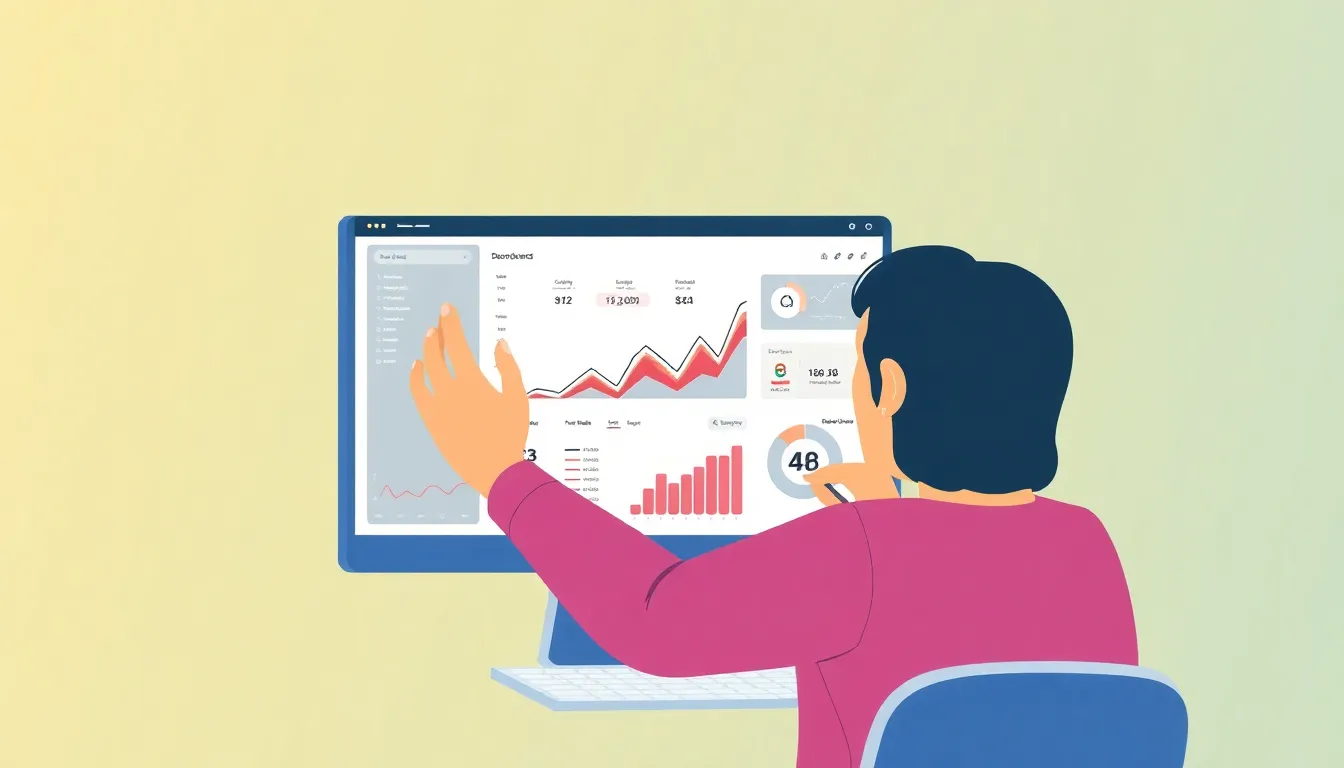
AI-driven search engines are rewriting the rules in 2026, pushing old playbooks into the recycling bin. If your strategy still leans on keyword stuffing or tired backlink schemes, you're handing rankings to competitors.
75% of marketers are increasing their AI budget for SEO this year. That’s a tidal wave. Ignore it, and organic traffic will vanish fast. AI-powered content and ranking systems process billions of data points per minute, sniffing out thin, generic, or dated content before you can refresh Google Analytics.
How Are AI Tools Changing SEO?
AI tools are transforming every corner of SEO, from research to content to analytics. Platforms like Jasper and Surfer SEO aren’t just nice-to-haves—they’re engines driving strategy for leading brands.
Companies using AI SEO tools like Jasper and Surfer SEO see a 30% jump in organic traffic compared to those stuck in manual mode.
The biggest shift? Generative AI and large language models (LLMs) power smarter content briefs, automated optimization, and real-time SERP analysis. SEO pros leveraging these tools work smarter, not harder—and it shows. For a detailed look at top tools for 2026, see this SEO tools comparison.
Most Impactful SEO Trends in 2026
The search landscape shifts every quarter, but these trends reshape the game:
- AI-Powered Content Generation: Human creativity still matters, but without AI efficiency, you leave cash on the table. LLMs produce optimized content in minutes, not days.
- Entity & Semantic Search: It’s about context, not just keywords. Google rewards content that deeply covers topics and answers intent fully.
- Experience, Expertise, Authority, Trust (EEAT): Not a checkbox anymore. EEAT tops ranking factors—without authority and trust, expect no top 10 spot.
- Real-Time Data Integration: Static keyword lists are dead. AI tools track trends dynamically, update opportunities, and keep campaigns agile.
Ready to Future-Proof Your SEO?
Audit your SEO toolkit now. If you still do keyword research by hand or push content without AI insights, you’re betting against the future.
Start with this:
- Review your SEO processes: Map every step, from research to reporting.
- Identify repetitive/manual tasks: These waste time and increase errors.
- Test AI-powered tools: Start with Jasper and Surfer SEO. Aim for at least a 20% efficiency or traffic gain.
- Revisit content strategy for EEAT: Add experts, cite authorities, update old posts.
- Monitor AI-driven analytics: Use real-time dashboards to spot trends and pivot fast.
Ignoring this shift risks digital irrelevance. The SEO revolution is here, and winners embrace AI today.
For more, see Search Engine Land’s statistical analysis.
Key takeaway: You can’t afford to sleep on AI optimization. 2026’s winners adapt, audit, and automate.
What Are the Top SEO Trends in 2026?
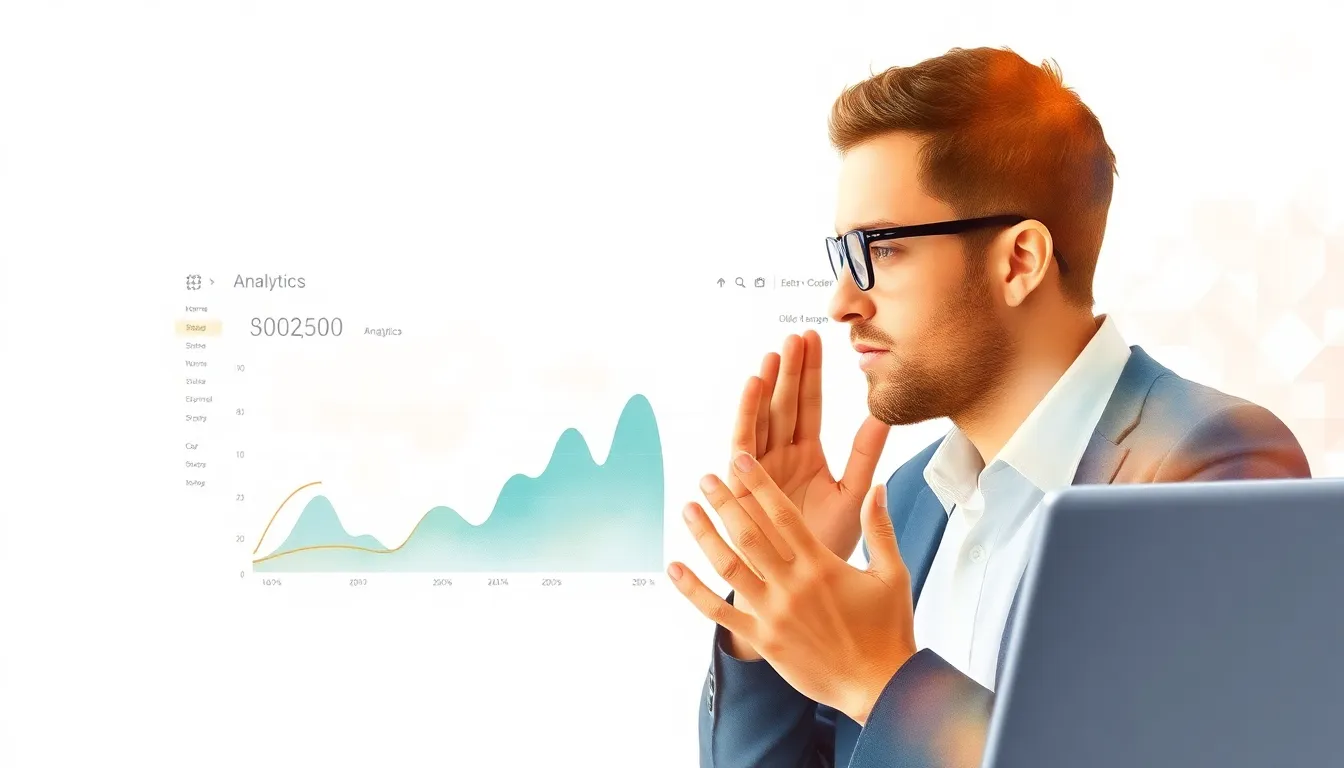
Picture a mid-sized e-commerce brand waking up to a sharp traffic drop. The team scrambles, blaming updates or competitors. The truth: their “good enough” content and outdated tactics became invisible.
This isn’t rare. In 2026, complacency quickly costs rankings. Gartner reports 75% of businesses that fail to adapt lose online visibility within two years. If you’re not tuning in, your site could be next.
How Has EEAT Changed SEO in 2026?
EEAT—Experience, Expertise, Authoritativeness, Trustworthiness—is no longer a suggestion. It’s the backbone of winning SEO. Search engines audit content creators as closely as content. Who writes? What’s their reputation? Expert or generic copy-paster?
If your site lacks expertise, especially in YMYL sectors like finance or health, rankings suffer. Google now verifies authorship with bios, credentials, citations, and off-site recognition—all carrying real algorithmic weight. Every page must scream “credible” and “original,” not just “optimized.”
EEAT is the most impactful ranking factor in 2026. No strong author bios or trustworthy sources? You’re invisible.
Why Branded Search Is Up 40%—And Why It Matters
Branded search is surging. Top domains using branded search tactics rose 40% this year. Companies anchor their names to key terms, not just generic keywords.
This builds trust (“People search [Your Brand] + ‘reviews’ for a reason!”). Google loves it—real-world buzz translates to higher rankings. Ignore branded SEO, and competitors with strong brand recall drown you out.
Traditional SEO, AI, and Branding: What Works Now?
Classic SEO—keyword stuffing, meta tweaks, spam backlinks—is obsolete. The field divides into traditionalists, AI adopters, and branding-first strategists. AI-enhanced SEO automates content clusters and predictive keyword analysis. But flooding with low-grade AI text hurts rankings. AI is a force multiplier, not a shortcut.
Winners blend AI for scale, EEAT for credibility, and brand authority to anchor trust. Playing only one angle leaves ranking points on the table.
Key Takeaway for 2026
EEAT is mandatory, branded search is exploding, and classic SEO tricks are dead. Ignore these trends, and your competition won’t just pass you—they’ll make you disappear.
Treating SEO like a checklist in 2026? You’ll get buried. Adapt or draft that “what happened?” Slack post.
Only brands evolving ahead of the next wave will own page one.
For more, see Gartner’s digital trends report.
How Does AI Reshape SEO Strategies?
AI turns SEO into a moving target—especially with Google releasing 1,000+ algorithm updates in 2026. If you chase old tactics, you’re invisible.
How Are AI Tools Like ChatGPT and BERT Changing SEO?
AI’s impact isn’t buzz—it affects rankings and conversions. Tools like ChatGPT generate hyper-relevant, intent-optimized content faster than manual processes. Google’s BERT analyzes context, not just keywords, weighing user intent, semantic meaning, and E-E-A-T like never before.
The game is producing content that genuinely answers questions, predicts follow-ups, and adapts as RankBrain and BERT process new data. Miss that, and your content’s buried.
Real Case: AI-Driven Content Strategy Boosts Conversions
A mid-sized HR tech SaaS shifted to AI-powered content in late 2025. Using Jasper AI and ChatGPT for briefs and optimization, site-wide conversions rose 25% in three months.
Changes:
- AI mapped broad keywords to high-intent buyer phrases.
- Dynamic optimization aligned pages with shifting SERP intent.
- Real-time audits cut zombie pages, boosting rankings.
Result? Less friction, more form fills, and no more manual keyword churn.
AI Tools vs. Traditional Tools in SEO
Here’s how new vs. old stacks up:
| Function | Traditional SEO Tools | AI-Powered SEO Tools |
|---|---|---|
| Keyword Research | Manual, slow, phrase-based | Automated, intent-based, predictive |
| Content Creation | Handwritten, slow iteration | Auto-generated drafts, semantic optimization |
| SERP Analysis | Surface-level, static | Real-time, context-aware |
| Content Updates | Scheduled, batch fixes | Continuous, real-time adjustment |
| User Experience Scoring | Generic, after-the-fact | Adaptive, live personalization |
AI tools don’t just speed workflows—they enable strategies impossible at human scale. For mastering SERP data and analytics, see this in-depth guide.
AI Implementation: Concrete Steps
You don’t need a full overhaul day one, but ignoring AI lets competitors eat your lunch. Start here:
- Automate Keyword Research: Use ChatGPT or SurferSEO to return keyword clusters mapped to intent.
- Optimize Content with NLP: Use Clearscope or Content Harmony for semantic analysis—fine-tune articles to match user and BERT preferences.
- Deploy Real-Time Audits: Set up Sistrix or Semrush to monitor performance and flag issues before rankings drop.
The real unlock isn’t AI’s speed; it’s relevance at scale. You optimize for humans, not robots.
By 2026, top brands let AI do the heavy lifting while steering the ship.
For more, see Search Engine Journal’s AI SEO analysis.
The future? Human creativity amplified by AI. Don’t wait for 1,000 more Google updates.
Why Is User Experience Central to SEO Success?
Can Google tell a site optimized for humans from one gaming bots? Yes. Core Web Vitals are baked into rankings, making user experience (UX) the algorithm. Ignore real users and lose.
Better UX lowers bounce rates and increases dwell time—direct ranking factors.
If visitors bounce because your site is slow, cluttered, or frustrating, Google notices. Every abandoned session signals failure—a fast track off page one.
What Are Core Web Vitals?
Google measures how users perceive speed, responsiveness, and visual stability:
- Largest Contentful Paint (LCP): Main content load speed (<2.5 seconds).
- First Input Delay (FID): Response time to first click/tap.
- Cumulative Layout Shift (CLS): Content shifts during load.
Fail these, and you tank SEO and UX.
Google’s 2026 updates edge out sites failing Core Web Vitals—no matter their keyword game.
53% of mobile users leave if a site loads over 3 seconds. That’s half your conversions lost. Source: Think With Google
How UX Improves SEO, Practically?
Bad UX costs:
- Higher bounce rates
- Shorter dwell time
- Lower conversions
- Negative brand perception
Good UX pays off. E-commerce sites prioritizing speed, navigation, and mobile-friendliness saw 20% higher conversions. Better UX means users convert, return, and Google rewards you.
What Does “Optimizing for UX” Look Like?
A relentless checklist:
- Compress images, use next-gen formats—speed beats flashy visuals.
- Prioritize mobile; 70%+ of searches start there.
- Streamline navigation—reduce friction, anticipate questions, clarify next steps.
- Test real user journeys, not just PageSpeed scores.
- Eliminate distracting pop-ups that hurt engagement and CLS.
- Use clear, scannable content—large fonts, short paragraphs, meaningful headings.
Key Takeaway for 2026
UX and SEO are inseparable. You can’t fake “helpful” with keyword stuffing or hacks—Google reads your users’ reactions almost as closely as your tags.
LazySEO flags pages failing Core Web Vitals or driving users away. But the big picture is this: make your site fast, mobile-first, intuitive, and genuinely valuable. That’s real SEO in 2026.
SEO vs. Social Media: Which Drives More Traffic in 2026?
Both are essential, but SEO drives sustainable, long-term traffic and higher ROI.
An e-commerce brand once spent heavily on viral Instagram and TikTok campaigns. Viral posts brought spikes, but traffic crashed days later. Conversions were unpredictable.
The brand shifted to technical SEO, optimized landing pages, targeted intent-rich keywords, and built high-authority backlinks. Within six months, organic traffic climbed steadily—no more rollercoaster spikes. Motivated buyers found products via “best subscription dog food,” not bored scrollers.
By mid-2026, organic search accounted for over 65% of new transactions. Social amplified launches and offers but SEO outperformed social in traffic quality and quantity.
Marketers know: SEO is a long-term play. Invest now, and returns compound. Great content and technical foundations feed traffic month after month—no ad spend needed. Social drives immediate engagement. Launch a TikTok or Threads post, and visits flood in—but fade fast.
A 2026 HubSpot survey of 1,200+ marketers found 60% report higher ROI from SEO than social media marketing. Leads from organic search are further down the funnel—actively hunting solutions.
That doesn’t mean ditch social. Social offers rapid awareness, real-time feedback, and community building. It’s unmatched for starting conversations and launching products. Ignore it, and you miss earned media and UGC campaigns fueling SERPs.
Bottom line: Don’t treat SEO and social media as either/or. SEO is the traffic engine; social fuels launches and loyalty.
Short-term social spikes are fun, but steady SEO growth weathers storms and rising ad costs. If forced to choose, bet on search.
For benchmarks, see Statista’s 2026 marketing ROI report.
How to Future-Proof Your SEO Strategy
To future-proof your SEO in 2026, invest in continuous learning, treat algorithm updates as opportunities, and evolve your tools and tactics. This mindset separates brands that soar from those scrambling after Google’s moves.
No tactic is safe forever. Those clinging to “tried and true” checklists clean up traffic dips while competitors scale new peaks. The difference isn’t skill—it’s mindset. High performers obsess over adaptive learning, early adoption, and relentless skill-building.
Brands investing in SEO training report 50% better campaign performance within a year, according to SEMrush’s 2026 Market Insights. Not luck—a dividend of staying ahead.
Building an Adaptive SEO Strategy
Start with humility: SEO never stands still, nor should your playbook. Successful teams make professional development core. They budget for workshops, bring in experts, and expect mastery beyond basics.
Falling behind is inertia. Penalized by updates? Usually missed signals ignored months earlier. Winners aren’t surprised by change—they experiment, track updates, and test new strategies before old ones fail.
Be ruthless with tools. Platforms cutting edge in 2024 look prehistoric now. Don’t renew subscriptions blindly—re-evaluate quarterly. Compare emerging tools, test AI automation, and get feedback from users, not just features. Chase impact, not parity.
Future-Proofing vs. Common Pitfalls
| Future-Proofing Technique | Common SEO Pitfall |
|---|---|
| Upskilling teams annually on new ranking factors | Relying on outdated audits |
| Early adoption of AI content optimization | Manual keyword stuffing and one-off SEO |
| Proactive content pruning and quality upgrades | Never updating legacy posts |
| Using real-time SERP analytics for intent alignment | Ignoring query pattern shifts |
| Diversifying content types (video, interactive) | Sticking to static blogs only |
| Quarterly tool reviews and refresh | Clinging to legacy analytics platforms |
There’s no “set and forget” in 2026. Google’s search is algorithmically dynamic. Brands treating SEO as a living system—always in beta—reap rewards.
Why Continuous Learning Outpaces Quick Fixes
Bottom line: 2026 algorithms reward evolving teams. Brands allocating time and money for ongoing education, cross-team testing, and process reviews outperform. Others get blindsided, stuck on page two, or scrambling after updates.
Build routines: weekly research rundowns, monthly trend deep-dives, quarterly skill boosts. No budget for this? You’re gambling, not future-proofing.
SEO in 2026 isn’t “set and scale.” It’s building systems (people, process, tech) that pivot and accelerate as rules change.
That’s how you future-proof.
Stay Ahead, Stay Visible
2026’s SEO landscape demands adaptability—embrace change and let data guide decisions. The best move? Audit your SEO now. Prioritize user experience and strategic AI integration.
Trends like smarter AI, evolving algorithms, and rising social search power mean you must move fast and stay flexible. Tools like LazySEO help automate updates and monitor trends, so you spend less time guessing and more time growing.
The future belongs to those who optimize early and iterate often. Get ahead of the curve—make your next SEO move count.