An SEO tools comparison helps you quickly identify the platforms with the strongest features for keyword research, content optimization, competitor analysis, and automation in 2026. The best SEO tools save hours of manual work, surface actionable data, and can make or break your ability to drive real organic traffic.
Here’s the cold reality: nearly 90% of web content gets zero Google traffic. Despite rigorous content calendars, marathon keyword hunts, and endless site tweaks, most marketers watch their pages slip quietly into page two (or ten). You know that mind-numbing feeling after hours spent combing spreadsheets, jumping between tools, and guessing what might actually move the needle? If you’ve thought, “There has to be a better way,” you’re not alone.
Every day, you juggle tightening budgets, pressure for results, and an ecosystem where Google’s rules change weekly. The wrong SEO software wastes time and sanity, forcing you to patch together half-baked solutions instead of running scalable campaigns. When competitors use smarter tech, every delay costs you.
But the flip side: the right SEO toolkit spots gaps your competition missed, automates tedious tasks, and helps you make smarter, faster decisions. Top platforms aren’t just about keyword stuffing or audits—they’re your command center for growth, packed with AI insights revealing what’s holding your rankings back and how to surge ahead. This article pulls back the curtain on which SEO tools genuinely deliver in 2026, so you can reclaim your time and watch traffic move up.
Let’s break the cycle of “guess and hope” and see which SEO tools stand out—and which belong in 2020’s recycling bin.
Why Choosing the Right SEO Tool Matters More Than Ever
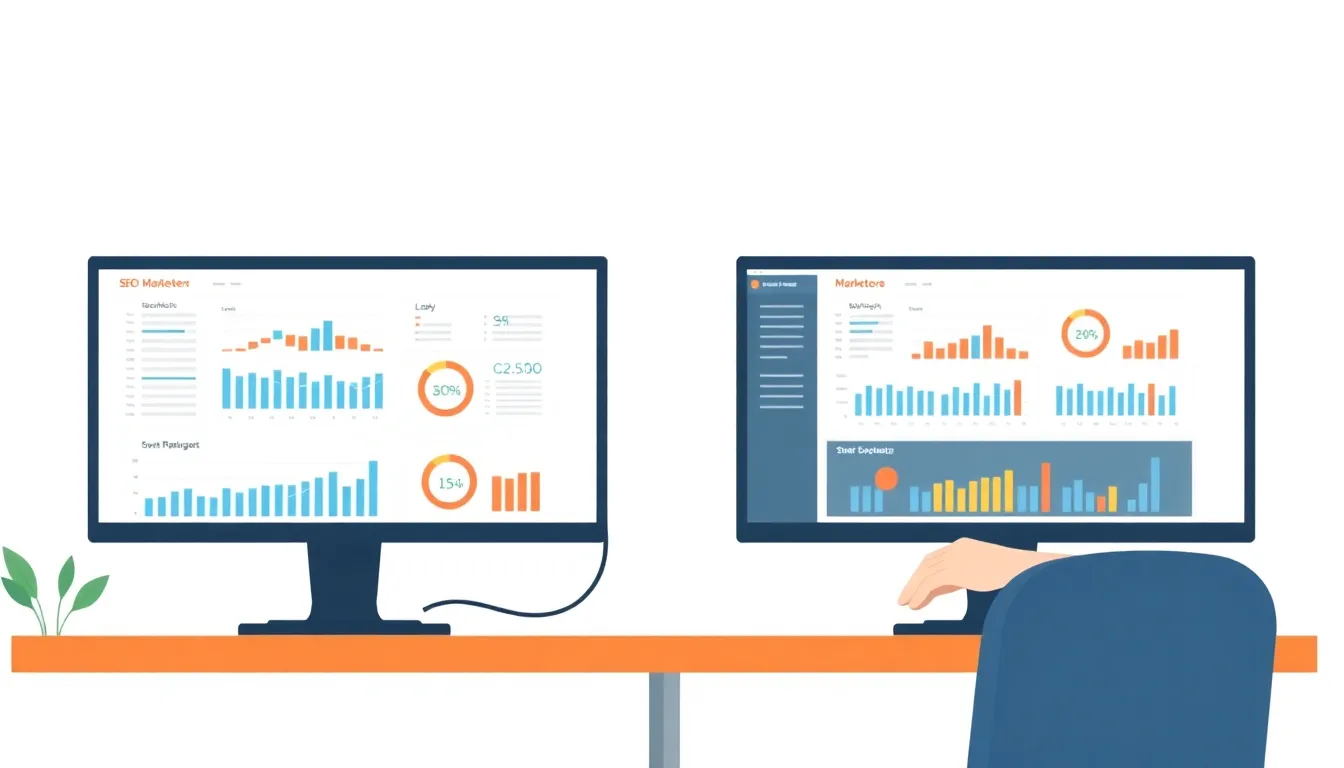
The right SEO tool in 2026 can mean the difference between flatlining traffic and skyrocketing performance. One platform can streamline clunky processes, reveal hidden growth opportunities, and give teams more time executing instead of wrestling with spreadsheets.
The right SEO tool streamlines your workflow, improves efficiency, and drives major traffic gains—even as search gets more competitive.
Here’s why this isn’t just hype.
70% of marketers say their SEO tool choice directly impacts organic traffic. (HubSpot State of Marketing 2026)
Targeting page one means tool choice isn’t just software preference—it’s a conversion multiplier or a silent bottleneck beneath your KPIs.
What’s at Stake If You Get Tool Choice Wrong?
SEO in 2026 isn’t the same game it was a few years ago. Algorithms update monthly, competitors move faster, and keyword “difficulty” shifts in weeks. Laggards rarely catch up.
Here’s what happens with the wrong tech:
- Time-wasting manual work: Outdated keyword research, clunky backlink analysis, and slow audits leave you behind.
- Missed ranking opportunities: Without deep SERP insights and smart automation, your best chances never surface.
- Wasted budget: Paying for unused features or missing features that move the needle.
These issues hit small shops and enterprises alike, but the upside is just as dramatic if you get it right.
E-commerce Case: From 0 to 150% More Organic Traffic
One e-commerce brand switched from basic rank trackers to a full-stack platform—think Semrush or Ahrefs with integrated audits, keyword discovery, and competitor tracking.
Result: In under six months, manual research time halved and they uncovered three lucrative keyword clusters missed before. Streamlined on-page optimization (thanks to Surfer’s content suggestions) boosted targeted content output by 30%. The end result? A 150% lift in year-over-year search traffic, validated by Search Console. Not luck. The power of matching needs to the right toolset.
Actionable Step: Audit Your Existing SEO Tools
Most teams haven’t fully examined their tool stack in over a year.
Run a quick self-audit:
- List every tool: Include “free” ones like Google Search Console, Chrome extensions.
- Score them (1-5): For effectiveness, adoption, and unique features.
- What’s missing? Compare against your workflow. Need automation? Better competitor intel? Is reporting a pain?
- Check integration pain: Are you constantly exporting CSVs or patching systems?
This exercise often reveals at least one major gap or redundant subscription draining your budget.
The Bottom Line
With over two-thirds of marketers calling SEO tool choice a direct success driver, this decision isn’t optional. The best teams win big by choosing tools that fit their workflow, automate grunt work, and deliver insights competitors miss. “Just good enough” won’t cut it anymore.
What Are the Best SEO Tools for Keyword Research?

If you’re still relying on outdated keyword tools in 2026, you’re leaving serious traffic and revenue on the table. A SaaS company spent a year stuck behind competitors, barely moving organic reach, because they used “free” keyword generators and spreadsheets. After upgrading to Semrush, keyword gaps surfaced, high-potential topics were flagged automatically, and missing content opportunities became obvious. Within six months, they doubled their share of high-intent keyword rankings.
Not luck—it’s what happens when you use modern, data-rich SEO tools.
Pros favor Ahrefs, Semrush, and Moz for keyword research in 2026. All three save you from guesswork, but each has unique strengths and frustrations. For pure coverage and exhaustive data, Ahrefs dominates: 85% of SEO specialists use it primarily for keyword research. Its size and freshness outclass most, especially for granular search volume, keyword difficulty, SERP features, and local ranking difficulty.
Semrush has doubled down on workflow. Instead of siloed tools, you get a research and tracking ecosystem. For teams managing multiple domains or international rollouts, this saves hours weekly and prevents mistakes like keyword cannibalization or inconsistent local targeting. Semrush doesn’t just suggest keywords; it shows how competitors stack up and maps your next moves by intent and SERP overlap. For SaaS brands and agencies juggling complex content, this integrated visibility is a superpower.
Moz offers an approachable experience. Its Keyword Explorer can’t match Ahrefs’ database size but nails the basics—reliable difficulty scores, precise SERP analysis, and handy groupings. Moz fits new teams or businesses moving from spreadsheets and free tools, where usability matters as much as feature depth.
Cost matters. In 2026, “cheap” SEO tools often cost more in missed opportunities than saved in fees. Ahrefs’ standard plan is pricier than Moz, but users swear it’s their best investment. Semrush’s heavy feature set suits teams needing all-in tracking, reporting, and technical SEO rolled together. Moz is lower cost but comes with a smaller dataset and fewer automation options.
Trying to save budget with entry-level or outdated keyword tools? Huge mistake. A 2025 Gartner report found companies investing in advanced SEO software saw 38% higher organic traffic growth than those clinging to legacy tools.
Bottom line: The best SEO tool for keyword research isn’t about price or brand—it’s what moves the needle for your workflow and traffic goals. In 2026, if your stack lacks Ahrefs, Semrush, or Moz, you're at a serious disadvantage. The difference isn’t minor: it’s the gap between crawling and real visibility gains.
How Do SEO Tools Enhance Content Optimization?
SEO tools like Surfer SEO and Clearscope supercharge content optimization by showing exactly how to rewrite, expand, and structure articles to rank higher in 2026. That’s not fluff—60% of content marketers say they saw improved rankings after using optimization tools.
Here’s the kicker: over 15% of daily Google searches are for brand-new keywords. If your content doesn’t adapt in real time, competitors outpace you before you notice. Manual tweaks and guesses don’t cut it anymore.
What is content optimization, and why are SEO tools essential?
Content optimization refines website copy to improve relevance, readability, and rankings for target keywords. Top SEO tools automate this by analyzing real-time SERP data, pinpointing gaps, and providing tailored recommendations—actual entity suggestions and keyword frequency, not generic advice.
Ignoring this is a massive mistake. Google’s algorithm now weighs semantically-rich, comprehensive content far more than before. Guesswork sets your site up to underperform.
Real-world example: Clearscope makes a measurable difference
A SaaS content marketer optimizing a “project management apps” blog post in early 2026 used Clearscope. The tool highlighted missing subtopics (“Kanban boards,” “cross-platform sync,” “security compliance”) and recommended LSI keywords. Updating the article with these suggestions moved it from page 3 to page 1 within weeks and doubled organic traffic.
That’s common. Content Marketing Institute stats show 60% of marketers using optimization tools recorded organic ranking gains within three months.
Core benefits: Why use Surfer SEO, Clearscope, or MarketMuse?
SEO content optimization tools don’t just spot missing keywords—they guide your editorial process:
- Surfer SEO: Best for real-time keyword and NLP-driven suggestions. Excels at analyzing top pages and generating actionable advice, not vague “add more keywords” tips.
- Clearscope: Praised for a simple, writer-friendly interface. Fast content grading and semantic analysis pinpoint exactly which gaps to fill.
- MarketMuse: Known for deep topic modeling and content briefs. Ideal for rebuilding content architecture or large-scale updates.
Surfer SEO vs. Clearscope vs. MarketMuse: Features & Benefits
| Feature/Benefit | Surfer SEO | Clearscope | MarketMuse |
|---|---|---|---|
| Real-Time SERP Analysis | Yes | No (batch updates) | Yes |
| NLP/Entity Recommendations | Advanced | Moderate | Advanced |
| Content Grading | Yes (dynamic) | Yes (easy to interpret) | Yes (in-depth) |
| Brief Generation | Limited | None | Advanced (AI-driven) |
| Collaboration Tools | Yes (Google Docs plugin) | Some (add-on) | Yes (workflow suite) |
| Ideal User | Solo marketers, agencies | Writers, editors | Enterprise content teams |
| Pricing (as of 2026) | $49+/month | $170+/month | $149+/month |
Bottom line: Surfer SEO is best for hands-on, fast optimization. Clearscope wins for writers seeking clean feedback. MarketMuse dominates complex content operations.
Why not optimize manually?
You could try—but you’ll miss emerging search behaviors, new entities, and Google’s daily-shifting SERPs. Content optimized with tools like Surfer SEO or Clearscope scores higher for engagement and organic traffic because it’s always current, not weeks old.
In 2026, automation and real-time analysis are essential for rankings and authority.
Key takeaway
Content optimization tools deliver measurable ranking lifts by automating SERP analysis, surfacing actionable keyword and topic suggestions, and streamlining workflows. Without them, you’re working blind.
For fully integrated insights with minimal setup, tools like LazySEO help you stay ahead effortlessly.
SEO Tools for Competitor Analysis: Which Ones Stand Out?
Ahrefs and Semrush lead for competitor analysis in 2026—offering unmatched depth on how rivals drive organic results. To know what makes competitors rank on page one, even when your content quality matches theirs, you need better strategy, faster backlink identification, and sharper insight—three things these tools nail.
Wonder why competitors rank higher? It’s better data, faster insights, and smarter moves.
Why 75% of Marketers Use Competitor Analysis Tools
Three out of four marketers rely on competitor analysis tools to refine SEO strategy (HubSpot 2026 Marketing Automation Report). Guesswork or outdated practices keep you behind.
The best SEO tools reveal not just where competitors get traffic, but how—down to keywords, referring domains, and content clusters. It’s like getting the playbook just as the game starts.
How Do Ahrefs, Semrush, and SpyFu Compare?
Each handles competitor analysis differently:
- Ahrefs: Gold standard for backlink analysis. Huge, updated backlink index plus visibility into competitors’ new and lost referring domains. “Content Gap” feature easily finds keywords rivals rank for but you don’t.
- Semrush: Specializes in competitive keyword tracking and market intelligence. “Domain vs Domain” compares multiple competitors side-by-side, showing shared and unique keywords. Advertising research dissects paid search strategies.
- SpyFu: Excels with long-term historical data on organic and paid keywords. Shows strategy shifts over months or years. Backlink index is less deep and frequent than Ahrefs.
Bottom line: Ahrefs is best for backlinks and content gaps, Semrush for multi-channel competitor insights, SpyFu for historical strategies.
What Does Successful Competitor Analysis Look Like?
A digital marketing agency for a SaaS client used Ahrefs to map competitors’ referring domains. They launched targeted outreach, securing links from 15 high-value sites in two months.
Result? Organic traffic jumped 32% in three months. Three replicated content ideas identified via Ahrefs’ "Top Pages" drove 40% of new conversions.
Key Features to Prioritize
Don’t just chase database size or UI bells and whistles. For competitor analysis, focus on:
- Backlink freshness and frequent index updates
- Keyword overlap detection and “content gap” tools
- Exportable, actionable reports for stakeholders
- Historical data tracking competitor strategy changes
Neglecting these means falling behind competitors who use next-gen SEO intelligence.
Smart money in 2026 goes to those who build playbooks from exactly what’s winning now, not last year. The data’s waiting—act on it.
What Are the Best SEO Tools for Automation in 2026?
Top SEO automation tools in 2026 include Gumloop, Screaming Frog, and RankMath—leading the charge in automating tedious SEO tasks that once drained workdays.
Imagine a SaaS marketing team stuck on endless audits, manual link checks, and keyword reports. After switching to Gumloop last quarter, audits ran in 15 minutes, broken links got flagged before Googlebot noticed, and weekly reports happened without spreadsheets. Campaign velocity ramped up, freeing time for new content experiments.
Automation tools reduce repetitive SEO task time by 40%, according to Ahrefs’ 2026 research. That’s hours saved weekly for higher-impact work.
How Gumloop, Screaming Frog, and RankMath Stack Up
SEO automation offloads routine tasks—site crawling, issue flagging, data pulls, reporting, link monitoring—to smart systems running at set intervals with minimal manual work. You set rules; the tool runs the process and alerts you when needed.
Here’s how they compare for power users:
| Tool | Automation Standout | Use Case Focus | Custom Workflow Support | Strengths |
|---|---|---|---|---|
| Gumloop | Automated multi-step audit flows | Multi-site SaaS, Agencies | Yes (drag-and-drop) | Visual workflow builder, auto-site health checks, powerful integrations |
| Screaming Frog | Scheduled crawls & auto-exports | Technical SEO, Enterprise | Yes (scripting & API) | Deep site crawling, technical data extraction |
| RankMath | Instant SEO scoring & auto-suggestions | WordPress, Solopreneurs | Limited | Real-time content suggestions, automatic meta optimization |
Gumloop is favored for agencies and teams orchestrating complex, repeatable SEO processes—from scheduled audits to chain reactions like “if site section fails, trigger Slack alert and re-crawl.” No scripting needed. Screaming Frog focuses on technical SEO: batch crawling big sites, extracting custom data, feeding BI dashboards via API. RankMath suits WordPress users but automates mainly scoring and on-page tweaks rather than complex workflows.
Why Automation Matters in 2026
If you’re not automating, you’re behind. Time once wasted on dull weekly reports now fuels experiments competitors haven’t tried. Automation lets SEO specialists focus on creative strategy while machines handle routine tasks flawlessly.
That SaaS team using Gumloop cut routine hours nearly in half and caught technical issues before traffic drops. Results speak: a 27% lift in non-branded organic traffic in one quarter from faster issue fixes and more bandwidth for content campaigns.
Bottom line: To stay ahead in 2026, invest in SEO automation. Tools like Gumloop and Screaming Frog aren’t “nice to have”—they’re the baseline for teams that want to win consistently.
For more on automation impact, see Ahrefs’ 2026 automation report.
Future-Proof Your SEO Strategy with the Right Tools
Manual SEO in 2026 guarantees falling behind competitors. The pace of change in algorithms, user behavior, and content demands means legacy methods waste time and kill your edge.
You can’t scale or adapt patching spreadsheets and guesswork. Automation and purpose-built SEO platforms aren’t optional. They’re table stakes for real results.
Why Regularly Update and Evaluate SEO Tools?
You can’t set-and-forget your SEO software. The best tools today may be obsolete next quarter. Search engines tweak algorithms, new data arrives, and automation evolves fast.
Smart teams review their SEO arsenal twice a year. They ruthlessly replace tools lagging in accuracy, integrations, or automation. If a tool can’t keep up, it gets benched.
A 2026 HubSpot survey found 68% of marketers plan to increase SEO tool spending this year—not budget bloat but a response to pressure for efficiency and scale.
How to Build an Adaptive, Future-Proof SEO Stack
Stay ahead by making “tooling agility” a process habit:
- Audit tools every 6 months. List usage, redundancy, dust collectors.
- Find gaps. Missing automated reports? Manual competitor analysis? No AI recommendations? Fill holes fast.
- Pilot new solutions quickly. Run real campaigns, measure lift.
- Plan integrations upfront. Best platforms connect to CMS, analytics, CRM, reporting. If no plug-in, move on.
- Train your team. If only your “SEO guy” can use it, you’re stuck. Cross-train and document workflows.
Key takeaway: Future-proof SEO is iterative and tool-agnostic. Teams upgrading regularly crush those treating software like a one-time choice.
Top AI-Driven SEO Tools for 2026 (Comparison Table)
| Tool | Best for | Automation Features | Unique Strength | Integrations |
|---|---|---|---|---|
| Surfer SEO | Content Optimization | NLP-driven suggestions | SERP analyzer built-in | WordPress, Google Docs |
| Gumloop | Automation Workflows | Cross-platform triggers | Visual workflow builder | Shopify, Zapier |
| Ahrefs | Competitor & Backlink Analysis | Scheduled audits | Best-in-class backlink data | Slack, Data Studio |
| Semrush | All-in-one SEO | Position tracking, reporting | Extensive keyword database | Google Drive, HubSpot |
| Morningscore | Gamified SEO | Task automation, alerts | Integrated SEO “missions” | Wix, Mailchimp |
Each tool offers a unique angle; none are one-size-fits-all. Gumloop’s automation speeds workflows, Surfer SEO leads in content tuning, Ahrefs dominates links and authority.
What Does a Future-Proof Approach Look Like?
SKU Inc., a fast-growing European e-commerce brand, ditched legacy “all-in-one” suites for modular AI-driven tools.
They automated audits with Surfer SEO, offloaded bulk technical checks to Gumloop’s workflow builder, and monitored competitors in real time with Ahrefs. Result? Manual SEO hours down 60%, organic sessions up 47% in under six months.
Bottom line: Brands using AI-powered, updated SEO tech pull away. Clinging to static tools or manual processes invites obsolescence.
Your Roadmap for Integrating New SEO Tools
Don’t swap your entire stack overnight. Build a future-ready workflow:
- Map current process, mark manual tasks.
- Score tools on automation, integrations, flexibility.
- Test one new platform per quarter in real campaigns.
- Document results: hours saved, ranking gains, friction points.
- Expand or replace: integrate deeper if it delivers; cut losses early if not.
Adopt this mindset and watch SEO performance accelerate while others troubleshoot outdated tools.
Wonder where to start? Check reviews of top AI-driven SEO suites or read real workflow automation stories at Search Engine Journal.
That adaptability separates tomorrow’s winners from those rewriting the same to-do lists year after year.
Choose Smart, Act Fast
With so many SEO tools, your edge comes from picking the one that fits your workflow and growth goals. The takeaway? Don’t just compare features—match your choice to your specific challenges, whether keyword research, competitor analysis, or automation. Tools like LazySEO help streamline and automate these processes so you stay ahead without getting bogged down. The right tool is about today’s needs and building a future-proof SEO strategy. Choose wisely and set your business up for success well into 2026 and beyond.
For deeper insights on search ranking data and tools, explore the latest guides on SERP analytics. For software tracking search engine results pages, the 2026 overview of top SERP SEO checkers offers detailed comparisons. Also, understanding technical concepts like pagination handling is key for optimizing site architecture alongside your tool strategy.