How to improve website ranking comes down to smart keyword research, on-page SEO, quality content, and building genuine site authority. If you’ve spent hours rewriting meta tags, analyzing competitors, or cramming keywords—only to see your rankings stay flat—you’re not alone. Many digital marketers pour time and resources into optimization but barely move the needle on Google.
Here’s a hard truth: over 90% of content gets zero organic traffic from search engines. Even with the best tools and strategies, you might create content that sits invisible on page two or beyond. It’s frustrating—watching competitors crowd search results while your site, despite all the effort, never gains traction. You’re told to “focus on quality,” but what does that mean when mediocre blogs outrank you? You optimize speed, tweak H1s and alt text, and keep pushing, but results are painfully slow.
The good news? You can break the cycle. Improving website ranking requires strategic shifts—a clear, holistic approach covering keyword intent to technical health. This guide explains why solid sites get stuck, what you’re missing with keyword research, and how to align your content with what search engines and users value now. You’ll learn how to build backlink authority that moves the needle and uncover technical SEO moves that unlock gains.
Ready for real results? Let’s uncover why your website ranking isn’t improving—and how to fix it at the root.
Why Your Website Ranking Isn't Improving
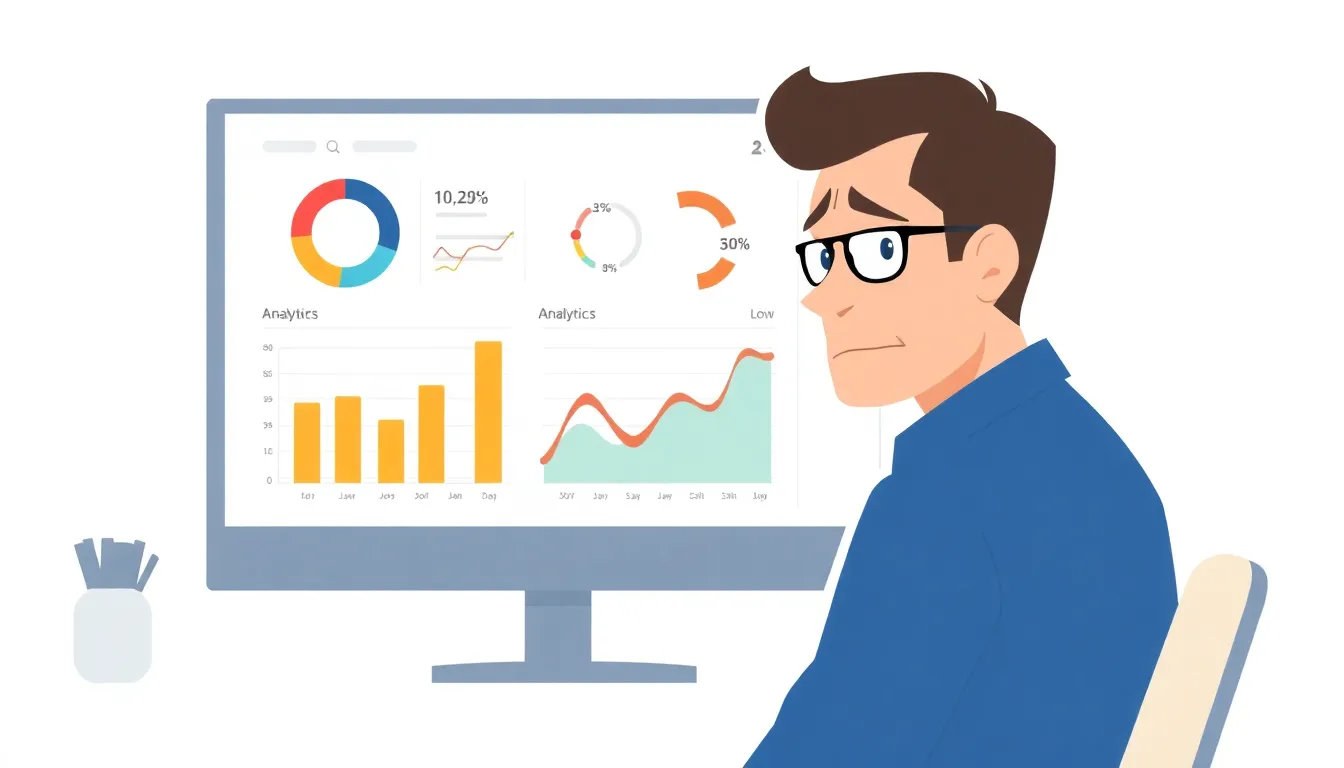
Most sites that struggle to rank higher make the same mistakes: weak keyword targeting and thin, generic content. If your pages aren’t climbing, you’re likely falling into one or more traps.
Here’s the truth: 75% of users never scroll past the first page of search results (source). If you’re not there, you’re practically invisible. Don’t blame the algorithm. Blame gaps in your SEO strategy.
What’s Tanking Your Rankings?
The biggest culprits:
- Poor keyword selection. Targeting broad, competitive terms like “project management” with no authority? Losing game. Use focused, lower-competition keywords matching user intent.
- Low-quality content. Search engines want depth, relevance, originality. Rehashed posts and copied service pages get buried.
- Technical issues. Slow sites, broken links, confusing structures kill usability and visibility. Google’s crawlers hit walls—and so do users.
Neglect any of these, and your rankings stagnate no matter how often you update title tags.
Real-World Example: Content Strategy Overhaul
An e-commerce furniture retailer sat on page two for major keywords. Traffic flatlined. The blog was a dumping ground for “quick tips,” and category pages were copy-pasted from suppliers.
After a brutal SEO audit checklist, they scrapped autopilot. Changes:
- Focused on mid-tail keywords (“ergonomic office chairs for back pain” vs. “office chairs”)
- Published long-form, evidence-backed buying guides and rich comparison pages—content Google hadn’t seen a thousand times
- Mapped user intent and pruned irrelevant content
In four months, organic traffic on core product pages jumped 42%. Moving from page two to one for “modern recliners” drove a 27% sales increase for that category.
Look at your content through Google’s eyes. Are you adding value or just ticking boxes?
Should You Trust an SEO Audit?
Yes, if you want scalable results. An SEO audit reviews your site’s health across technical, on-page, and off-page factors. Done right, it reveals what blocks your ascent.
It should uncover:
- Broken or redirected links harming crawlability
- Keyword gaps vs. competitors
- Duplicate or thin content dragging quality signals down
- Page load and mobile responsiveness—both direct ranking factors
Tools like Ahrefs, SEMrush, Moz, and WooRank automate much grunt work—flagging missing meta tags, slow images, unoptimized URLs. But running a report isn’t enough—the key is following through.
The Key Takeaway
Stuck rankings rarely stem from one technical glitch. Usually, it’s weak targeting or poor content. Audit ruthlessly, shift to intent-driven strategy, and watch your search presence escape the second-page abyss.
How Does Keyword Research Impact SEO?
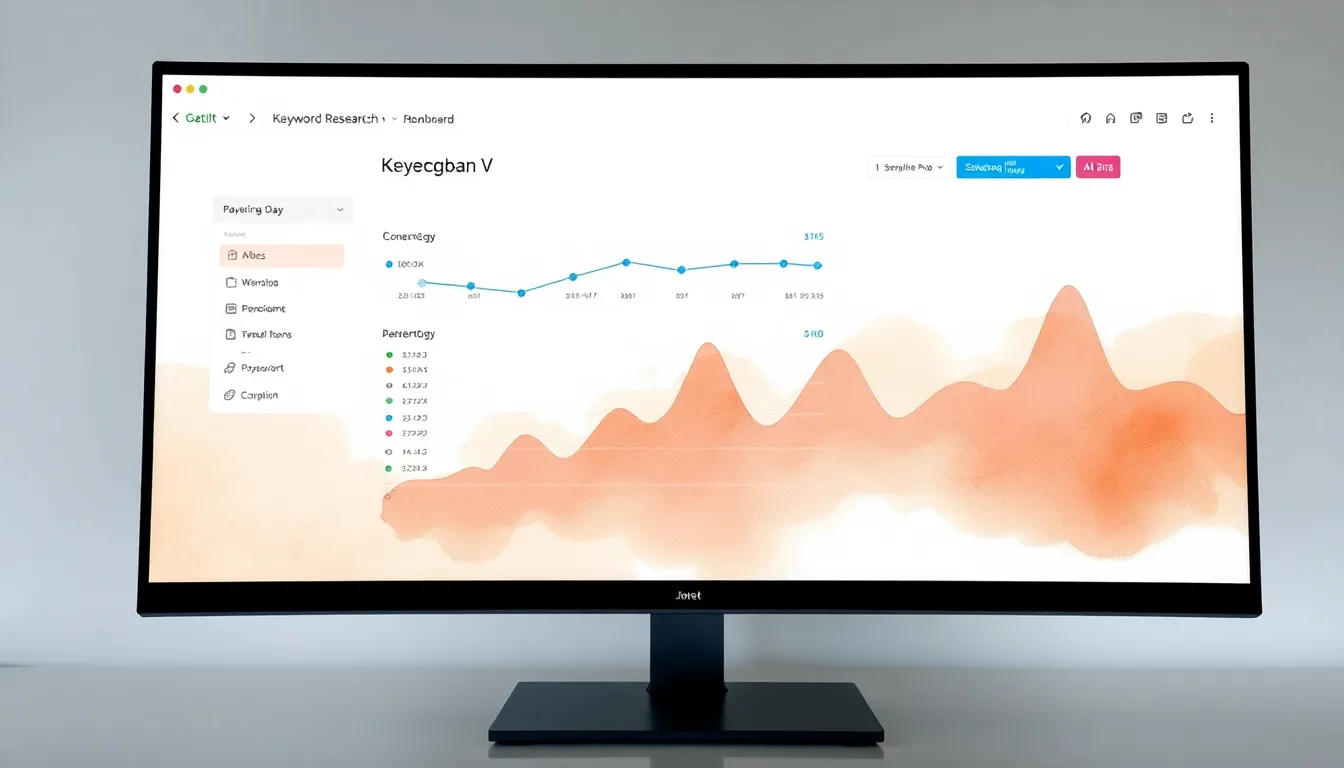
Effective keyword research finds search terms with high volume and low competition, guiding content creation and optimization for stronger ranking.
Imagine publishing blog posts, sharing on social, tweaking your homepage—but stuck on page 5 for every important keyword. Without strategic keyword research, you’re hoping content finds an audience. Hope is not a strategy.
Keyword research is SEO’s backbone. It decides which topics drive results instead of filling archives. You can write the smartest article, but if it targets keywords no one searches or dominated by big brands, it goes nowhere.
What is Keyword Research and Why Does It Matter?
Keyword research discovers words and phrases people use to find answers, products, or advice.
Get it wrong, and nothing else matters.
Ahrefs reports over 90% of online pages get zero organic traffic from Google (source). Usually because pages chase keywords with:
- Tiny search volume
- Crushing competition
- No alignment with user intent
Smart keyword research is how your content gets discovered, not buried.
How Keyword Research Shapes SEO Results
Each content piece must pull its weight. Targeting the right keywords means:
- Attract visitors who want what you offer
- Help Google understand your pages, boosting ranking chances
- Avoid wasting resources on “vanity” topics no one searches or can’t outrank
Example: Running shoes. Ranking for “running shoes” is tough with giants like Nike dominating. Target “best trail running shoes for women 2026” and your chance soars.
What Makes a Keyword “Good” for SEO?
The perfect keyword balances:
- Search volume: Enough monthly searches
- Competition: You can realistically rank (top results aren’t all massive brands)
- Search intent: Matches what your ideal customer seeks
Long-tail keywords are your friend. More specific, lower-volume searches show clear intent (“how to wash suede running shoes” beats “clean shoes”). Easier to rank for and bring converting traffic.
How to Find High-Impact Keywords?
Modern tools remove guesswork. Ahrefs, SEMrush, Moz help dig keyword opportunities.
Steps:
- Plug root topics into tools: Start with “trail running shoes” and explore related terms
- Filter for low competition: Prioritize keywords where smaller sites rank in top 10
- Look for commercial or informational intent: Are users buying, comparing, or learning?
- Check SERP results: If page one is all giants or non-commercial sites, recalibrate
- Validate search volume: Avoid keywords no one searches, unless building niche thought leadership
Key Takeaway
Ignoring keyword research dooms your content to obscurity. Prioritize it and use the right tools to build content that deserves—and gets—traffic. This is the only way your SEO wins.
What Are the Best On-Page SEO Practices?
Every day, 15% of Google searches are brand new queries. That changes the game. Relying on static, one-time optimizations loses your edge fast.
On-page SEO optimizes individual pages to rank higher and earn relevant traffic. It’s more than keyword stuffing—it’s your site’s structural engineering for visibility.
Why Optimized Meta Tags Matter
Start with title tags and meta descriptions. They’re your site’s handshake with users and search engines. Vague, duplicated, or filler tags kill clicks. Pages with optimized meta tags see a 20% CTR boost. Crisp, keyword-relevant titles and compelling descriptions win attention before visitors see your site.
Structure Matters: Headers and Readability
Headers (H1, H2, H3) tell search engines your content’s about and help users scan. Confusing structure causes bounces and hurts rankings. Clean, logical headers boost dwell time and SEO relevance.
Before & After: Impact of On-Page Optimization
| Optimized Page | Non-Optimized Page | |
|---|---|---|
| Title Tag | Clear, keyword-targeted, 55-60 characters | Irrelevant, too long, generic |
| Meta Description | Compelling, unique, under 155 characters | Auto-generated, duplicated, missing |
| H1 Tag | Single, main keyword aligned | Multiple H1s, keyword stuffing |
| Schema Markup | Implemented for rich snippets | None |
| Performance | 28% higher CTR, longer dwell time | Lower CTR, high bounce rate |
Optimized pages see nearly 30% higher CTR and keep users engaged longer. You’re winning over real people, not just algorithms.
Why Schema Markup is a Secret Weapon
Schema markup is structured data helping search engines understand your content, enabling rich snippets (star ratings, FAQs, product details). It boosts visibility and CTR—even for rare queries Google serves in 2026.
Adding schema future-proofs rankings as Google’s understanding of intent evolves. For more, see Moz’s Guide to Schema Markup.
How On-Page SEO Moves the Needle
On-page SEO isn’t optional or “set and forget” in 2026. Top sites treat metadata, headers, and schema as dynamic levers, optimizing every new or updated post to match evolving trends.
Ignoring on-page SEO leaves organic traffic—and revenue—on the table.
Treat every URL as a chance to refine, test, and improve performance.
The takeaway: a structured on-page SEO approach—balancing keywords, hierarchy, and schema—outperforms “good enough.” Google demands it; users reward it.
The Power of Content: Quality vs. Quantity
Are your pages optimized for users and search engines? Quality content is more likely to be shared and linked, boosting SEO ranking.
Churning out mass blog posts to hit quotas is over. Google’s 2026 algorithms reward substance, relevance, and true value—not keyword stuffing or endless pages saying nothing new. Users bounce fast on poor content; Google notices and pushes pages down.
Why Quality Content Wins—and Keeps Winning
High-quality content attracts backlinks, keeps users longer, and drives engagement. That’s SEO’s holy trifecta. When people cite, share, or revisit your content, you send the right signals to search engines.
| Quality Content | Quantity Content | Thin Content | |
|---|---|---|---|
| User Engagement | High: readers share and act | Moderate: skimmed, not shared | Low: quick bounces |
| Backlinks | Earns natural links | Few from low-value sources | Rarely linked |
| Ranking Longevity | Stays relevant and ranks longer | May spike, then fades | Dropped or deindexed fast |
| Conversion Impact | Drives real conversions | Weak conversion | Little to none |
Key takeaway: Quality beats quantity every time. Thin, generic content always hurts rankings.
How Content Quality Influences SEO
Google measures time on page, CTR, and how often content is referenced. Pages with meta descriptions get 5.8% more clicks on average (Backlinko).
Meta descriptions are just the start. The main course: well-structured, expert-driven, audience-relevant content solving real problems better than competitors.
If your content isn’t better than what’s ranking, don’t expect top spots.
What Does “Quality” Mean in 2026?
Focus on user intent, not word count. Prioritize:
- Relevance: Address specific, valuable questions your audience searches
- Depth: Include actionable steps, updated stats, examples, expert opinions
- Originality: Avoid regurgitating page one content; add unique data or perspectives
- Structure: Use clear headings, lists, tables, visuals for readability
- Freshness: Update every 3-6 months; Google notices current info
Action Step: Build a Quality-First Content Calendar
Ditch “more is merrier.” Pivot:
- Audit content for thin, outdated, or low-performing pages
- Research intent behind top-converting keywords—spot missing angles
- Plan each piece for max user value—even if that’s one major article weekly
- Assign SME or guest expert reviews
- Schedule regular updates with reminders
A quality-first calendar is a strategic roadmap that elevates your brand. Tools like LazySEO help streamline research and flag gaps before competitors do.
Bottom line: Without investing in quality and originality, rankings won’t just plateau—they’ll fall. Top sites rely on expertise, not shortcuts.
Building Authority: The Role of Backlinks
Backlinks are the most reliable shortcut to genuine authority. Search engines treat them as votes of confidence—a third-party signal your content is trustworthy. No matter how often you post or optimize, powerful backlinks move the needle like nothing else.
Picture two blogs targeting the same audience. One churns out quick posts weekly. The other invests in in-depth guides that experts quote. Six months later, the second’s link profile dwarfs the first’s. That difference lands on page one, not page three.
Data: websites with strong backlink profiles rank 30% higher on average. It’s the gap between visible and invisible in SERPs. Ignoring backlinks is costly.
How Backlinks Influence Website Authority
Backlinks are external links to your site. Google uses them as a key “authority” measure. Not all links are equal. One dofollow link from a niche leader beats dozens of low-effort directory links. Authority flows site-to-site. Mentions from reputable brands catch Google’s attention.
Contrast that with links from dubious sites. They don’t help and may trigger penalties.
Key takeaway: Quality and relevance of backlinks matter more than quantity. One link from an industry authority outperforms hundreds of low-value ones.
Impact of Building High-Quality Backlinks
A SaaS company struggled to rank for competitive keywords. Publishing consistently, visibility plateaued. The breakthrough came after guest posts on Moz and Content Marketing Institute. Within a quarter, organic visits jumped 42%, and key pages reached top three results.
This is common. HubSpot shows companies with strong backlink portfolios consistently outrank prolific but less-cited peers. Check any competitive B2B query’s front page—same names appear, linked by industry leaders.
Comparing Backlink Strategies: Quality vs. Quantity
| Strategy | Typical Results | Long-Term SEO Impact | Example Metrics |
|---|---|---|---|
| High-Quality, Targeted Links | Fewer, authoritative sites; steady ranking climb | Durable authority, low penalty risk | 30% higher keyword positions; 2x increase in referring domains YOY |
| Low-Quality, High-Volume | Rapid growth; mostly irrelevant sources | Short-lived; high penalty risk | Early spikes, later declines; flagged by Google |
Sites with high-quality links see steady, compounding visibility. Chasing low-value links yields short spikes that rarely last.
How to Acquire Backlinks That Work
If serious about ranking, start reaching out to influencers for guest posts. Genuine relationships yield referrals and placements on relevant, authoritative platforms. The best links come from thoughtful contributions where your expertise adds value.
Make your content so resourceful peers want to cite it. Tools, research, or unique takes on problems earn natural links—especially with strategic promotion.
Google’s Search Quality Evaluator Guidelines say earning citations from trusted voices is one of the surest “authority” signals.
Bottom line: sustainable SEO gains come from trusted backlink profiles. Skip schemes, focus on quality, and secure top results.
How to Leverage Technical SEO for Better Rankings
Improving site speed cuts bounce rates and lifts rankings—slow sites get punished regardless of content or backlinks.
Technical SEO is not optional. It’s your site’s backbone for ranking. Speed, mobile experience, and security aren’t perks—they’re must-haves in 2026.
What Is Technical SEO and Why It Matters
Technical SEO optimizes your site’s infrastructure so search engines easily discover, crawl, and index pages. Includes load speed, mobile usability, crawl errors, site architecture, and HTTPS security.
Ignoring technical SEO is like playing with one hand tied. Google’s algorithm punishes slow, non-mobile, or unsecured sites regardless of backlinks or keywords.
How Site Speed Impacts Ranking
Site speed reduces bounce rates and improves rankings.
Data: Google found as page load time goes from 1 to 5 seconds, bounce probability rises 90%. Slow sites kill organic traffic plain and simple.
Why Mobile-Friendliness Is Non-Negotiable
Mobile traffic isn’t future—it's now. Statista says mobile generated 63% of global visits in 2025. Broken or laggy mobile sites rank dead last, if at all.
HTTP Protocols: HTTP vs. HTTPS vs. HTTP/2
Search engines prioritize security and speed. Here’s how protocols stack up:
| Protocol | Security | Speed Enhancement | SEO Impact |
|---|---|---|---|
| HTTP | None | Slow | Penalized by Google |
| HTTPS | SSL-encrypted | Moderate | Ranking boost |
| HTTP/2 | SSL-encrypted | Fast (multiplexed) | Strongest ranking signal |
- HTTP is outdated, unsecured, and penalized.
- HTTPS secures site and provides ranking boost.
- HTTP/2 loads assets simultaneously for blazing speed. Not on it? You’re behind.
Actions to Nail Technical SEO Today
Skip guesswork—focus on:
- Boost Site Speed: Use Google PageSpeed Insights. Below 85/100? Compress images, minimize scripts, use CDN.
- Switch to HTTPS and HTTP/2: Move ASAP if still on HTTP or no HTTP/2. Most hosts support HTTP/2 but require activation.
- Audit Mobile Usability: Use Google’s Mobile-Friendly Test. Fix non-responsive layouts, tiny buttons, unreadable text.
- Fix Crawl and Indexing Errors: Check Google Search Console for 404s, redirects, blocked pages.
- Prioritize Site Architecture: Flatten structure; no page more than 2-3 clicks from homepage.
Google’s 2026 updates hammered slow, insecure, and messy sites. A tech audit is the price of entry.
Key Takeaway
Don’t chase content or backlinks while ignoring your site’s infrastructure. Technical SEO—speed, mobile optimization, HTTPS/HTTP/2—is what separates those who rank from those stuck on page two. For a full technical SEO checklist, use a comprehensive guide to avoid gaps.
Future-Proofing Your SEO Strategy
Regularly updating SEO strategy keeps your site competitive and visible. Coasting on old tactics invites nosedives when algorithms shift.
Imagine a SaaS company investing in content and keywords, but with a homepage loading in five seconds. Users bail. Bounce rates skyrocket. Rankings slip. Google says 53% of mobile users won’t wait more than three seconds. That traffic is lost before content gets a chance.
What hurt yesterday—slow sites, duplicate content, weak backlinks—is just the start. SEO isn’t static. Optimizing for today’s rules only guarantees scrambling tomorrow. Algorithms change—sometimes overnight, sometimes subtly.
Why Does SEO Evolve So Fast?
Search engines obsess over user experience. Google now uses AI and machine learning to predict what humans want. Keyword stuffing and meta tweaks no longer work. Relevance and intent rule.
AI-driven algorithms are reshaping SEO:
- Natural language models (Google’s MUM, BERT) interpret context, not just keywords
- Search is more conversational, less transactional
- Visual and voice search grow; sites ignoring these fall behind
If your SEO is stuck in “optimize a few pages, build some links,” expect diminishing returns. Top sites use AI-driven keyword suggestions, chatbot-enhanced UX, and semantic search optimization. Amazon’s 2026 results predict shopper intent, surfacing products and supporting content on the fly.
How to Stay Ahead of Algorithm Changes
Shift your mindset: treat SEO as a living project, not “set and forget.” Complacency invites disaster. Thriving sites adjust as digital ground shifts.
- Update regularly. Pages untouched for 6+ months likely lag. Freshness is a ranking factor.
- Monitor search trends weekly. SERP features evolve fast: snippets today, AI overviews tomorrow. Tools tracking these changes give data before competitors react.
- Automate audits. Manual reviews are obsolete. Use Ubersuggest, Ahrefs, WooRank for recurring crawls. Catch duplicate tags, bloated scripts, orphan pages early.
AI and Machine Learning in Future-Proofing
AI isn’t hype—it drives major SEO changes. In 2026, machine learning tools find ranking opportunities no human can spot quickly. Predictive analytics suggest keywords gaining volume before peaks.
AI chatbots and search enhancements boost engagement and feed user metrics back into algorithms, creating feedback loops. Google recommends responsible AI use to structure, tag, and improve content quality.
The Real Playbook
Outsmart algorithm changes by anticipating them. Best practices:
- Follow SEO industry updates: Search Engine Journal, Search Engine Land, Marie Haynes’ newsletters
- Set alerts for “algorithm update” to avoid surprises
- Attend SEO webinars and Google Search Central Live sessions for emerging ranking factors
Key takeaway: The only SEO strategy that works in 2026 is built on regular updates, trend monitoring, and adapting before competitors. Algorithms won’t wait—and neither can you.
For AI’s impact on search, see Gartner’s analysis.
Keep your strategy dynamic to not just survive, but thrive through Google changes.
Climb the Ranks with Consistency
The most important step to improve website ranking is committing to ongoing optimization—there’s no one-and-done fix. Regularly audit your site, refresh keyword strategies, and focus on valuable content and authoritative backlinks. Don’t overlook technical SEO: a fast, well-structured site underpins all efforts. Tools like LazySEO streamline tracking progress and uncover new opportunities without guesswork. Stay proactive now and you’ll be ready for tomorrow’s algorithm changes, staying ahead of competition. Make small, consistent improvements today and watch your rankings—and business—grow over time.