
How to Build Backlinks: Strategies for Beginners

Building backlinks in 2026 is about more than just chasing any link you can find. It's about earning relevant, high-authority connections that boost your search rankings and drive real traffic. The smartest strategies now focus on quality over quantity, using creative outreach, content partnerships, and modern digital PR tactics that align with Google’s stricter algorithm updates.
Over 90% of web content gets zero traffic from Google, and weak backlink profiles are a huge reason why. If you're tired of watching your meticulously crafted content fade into obscurity while competitors dominate top results, you're not alone. You've poured hours into researching keywords, perfecting headlines, and building resource pages—only to see minimal gains. The promise of "if you build it, they will come" has failed you. Every new algorithm leak or "ranking factor" rumor makes you second-guess every outreach email, guest post, and partnership pitch.
This guide changes the equation. You'll get actionable answers to the real challenge: not just how to build backlinks, but how to attract links that actually matter in 2026's competitive landscape. Learn to spot the difference between valuable links and those that waste your time—without relying on outdated tactics that risk penalties. Powerful, scalable techniques used by top SEO specialists are no longer secrets; you'll see exactly how they work and why they're effective now. Plus, explore newer strategies, like using social platforms and audience analytics, to turn backlink building into a core, repeatable growth engine for your campaigns.
Ready to leave behind low-impact link swaps and guessing games? Let’s break down what you really need to know about building backlinks that drive results in 2026—starting with why links still reign as SEO’s secret weapon.
Why Backlinks Matter More Than Ever in 2026

Backlinks have always been important, but in 2026, they're the difference between ranking on page one and being invisible. Google’s algorithm still heavily relies on backlinks—over 50% of rankings can be traced back to the strength and quality of your link profile anchor.
If your site’s not getting the traffic or conversions you want, take a hard look at your backlinks. A 2026 Ahrefs study found that sites with 100 quality backlinks consistently outrank those with just 10, even if both have similar content and on-page optimization. It’s not just about having more links. It’s about getting better links—think links from respected sites in your niche, not random directories or forums.
Here’s a scenario that plays out all the time: Two SaaS startups targeting the same keyword. Site A has 100 high-quality backlinks from relevant industry blogs, tech journals, and news publications. Site B has only 10, mostly from local business listings and a few vendor partners. Despite similar domain authority and content quality, Site A dominates the SERPs, while Site B struggles to crack the top 20. Google doesn’t care about effort—it cares about signals of trust and relevance.
Backlink audits aren’t optional anymore. If you don’t know where your links come from—or worse, if you’re carrying toxic links from past SEO experiments—you’re kneecapping your entire SEO strategy. Start with a comprehensive audit. Map out every link, categorize by authority and relevance, and weed out anything spammy.
Backlink Quality vs. Quantity: Which Matters More?
Here’s the bottom line: Both matter, but quality wins every time. One killer backlink from a high-authority, niche-relevant site beats 50 links from low-quality sources.
| Metric | High-Quality Backlink | Low-Quality Backlink |
|---|---|---|
| Source Domain Authority | 70+ | <20 |
| Topical Relevance | Strong, tightly related | Weak, unrelated |
| Impact on Rankings (Ahrefs ‘26) | 300% greater ranking influence | Minimal, sometimes negative |
| Risk of Penalty | None | Moderate to high |
| Example | Major trade publication | Free-for-all forum |
Quality links act as trusted endorsements. Quantity alone can actually get you penalized, especially if links are spammy or irrelevant mailchimp.com.
What Should You Do Next?
Start by mapping your current link profile—use a trusted tool and flag anything suspicious. Review your top competitors: where are their links coming from, and how do yours compare? Set a recurring reminder to check for toxic links every quarter; Google’s algorithm isn’t going backward here.
The reality for 2026: It’s never been harder to win in organic search, and backlinks are still the highest ROI lever you can pull. Ignore them, and you’re playing catch-up. Focus on quality, audit frequently, and you’ll see actual, lasting results.
How to Identify High-Quality Backlink Opportunities

After the 2026 Google core update, plenty of fast-growing SaaS and e-commerce sites saw their organic traffic graphs spike overnight—not by accident. In every case, the sites that won big were the ones already sitting on a foundation of serious, high-quality backlinks. Authority links from topically relevant, trusted sites are still the single fastest way to build rankings and defend them. Anyone tired of traffic plateaus or frustratingly slow keyword climbs can’t afford to ignore this edge.
High-quality backlinks come from authoritative, relevant sites—think well-known industry publications, recognized niche blogs, and reputable news sources. Google’s algorithm now prioritizes backlink quality over raw quantity, making it useless to chase thousands of generic links from directory dumps or unrelated forums.
What Makes a Backlink Source "High Quality?"
If the site linking to you has trust with Google, its endorsement pushes you up too. Authority is typically measured by domain authority (Moz), domain rating (Ahrefs), or authority score (SEMrush). But authority is only half the story—relevance matters just as much. A backlink from a major plumbing supplier means nothing for a SaaS startup, but a link from G2 or TechCrunch? That's rocket fuel.
According to a 2025 SEMrush study, 78% of top-ranking pages had at least one high-authority backlink. Without quality, you’ll endlessly churn out content and outreach emails for pennies-on-the-dollar SEO results.
Tools for Finding (and Vetting) Priceless Backlink Sources
Moz, SEMrush, and Ahrefs dominate the backlink intelligence space, and each brings something different to the table. Moz is a favorite for domain authority scores; it's straightforward and quick for a pulse check. SEMrush goes deeper into backlink types, toxic link detection, and competitive gap analysis. Ahrefs has an unmatched link index—if you want to see every possible opportunity, it's the tool for snoops and overachievers.
Here’s how you use them: Enter your competitors, pull their backlink profiles, and filter out junk like low-traffic directories and obvious link farms. With this cleaned dataset, you get a shortlist of sources actually trusted in your vertical. Don’t settle at this point. Scrutinize relevancy and recent activity; a tech SaaS blog that's updated weekly and cited by others is worth ten generic content “portals.”
Real Example: SaaS Startup Building Industry-Leading Rankings
Take a real SaaS security startup in 2026. For months, its marketing team tried the spray-and-pray outreach tactics familiar to anyone burning out on backlink acquisition. Then, the lightbulb moment: Focus solely on industry-specific tech and cybersecurity blogs with domain authority over 60 and clear audience overlap. Outreach efforts went from 15% to 37% success rate, and within 90 days, organic traffic jumped by 44%. This wasn’t luck—it was ruthless prioritization and targeting.
Building an Actionable Source List (And Why Most People Quit Too Soon)
Skip the temptation to blanket-email every “top blogs” list you find on Google. Instead, methodically use Moz, SEMrush, and Ahrefs to build a spreadsheet of the top 50 most promising backlink candidates. Filter by authority, verify niche relevance, and manually review for editorial content quality. This is the grind that separates explosive SEO growth from wishful thinking. Rushing or automating this part is wishful thinking bordering on malpractice.
Targeting only the best dramatically increases your outreach conversion rate, boosts the likelihood your link will actually move rankings, and saves you from toxic link headaches that’ll haunt your site in future updates.
If you want to win at backlink building in 2026, chase equity—not empty numbers. Spend 80% of your effort qualifying the right sources. The other 20%? That’s outreach work that finally pays off.
For a comprehensive breakdown of finding and evaluating backlinks, check the proven link building techniques for beginners for actionable tactics that help boost your efforts.
What Are the Best Strategies for Building Backlinks?
A staggering 63% of backlinks to the average website are either toxic or deliver almost no SEO value, according to a 2026 Ahrefs report. You can’t just build links—you need to cherry-pick the ones that move the needle.
So, which backlink strategies actually work in 2026? Three clear winners dominate: guest blogging, broken link building, and unlinked brand mentions.
Which Backlink Tactics Are Actually Effective?
Guest blogging leads the pack—with 70% of marketers ranking it as their most effective backlink acquisition strategy in 2026. It’s not hype; when executed with precision, guest posting can drive consistent, high-authority links that blow up your organic visibility [semrush].
Right behind it: broken link building and unlinked brand mentions. Broken link building isn’t optional anymore—because you’re essentially helping site owners clean up their content and giving them something genuinely valuable to link to. Meanwhile, unlinked brand mentions are the lowest-hanging fruit no one’s picking. Most brands have dozens—sometimes hundreds—of organic mentions that never got linked, just waiting for a polite nudge.
Bottom line: If your link building playbook doesn't start with guest blogging, broken link building, and brand mention outreach, you're leaving rankings (and revenue) on the table.
Comparing the Top Backlink Strategies
Here’s how the three top tactics stack up for effectiveness, scalability, and speed of results:
| Strategy | Effectiveness | Scalability | Speed of Results | When to Use |
|---|---|---|---|---|
| Guest Blogging | ★★★★★ | ★★★★☆ | ★★★☆☆ | You need authority links in your niche |
| Broken Link Building | ★★★★☆ | ★★★☆☆ | ★★★★☆ | Targeting specific pages/keywords |
| Unlinked Brand Mentions | ★★★★☆ | ★★★★★ | ★★★★★ | Well-known brand or PR wins in your history |
Guest blogging is still unmatched for netting high-authority, editorial links. Broken link building offers quick hits when you know your audience and can spot gaps fast. Unlinked mentions scale effortlessly if your brand already has traction.
Real-World Example: How Agencies Win with Guest Blogging
A digital marketing agency—struggling against stagnant traffic—launched a focused guest blogging blitz in relevant industry publications. Over two quarters, they published 18 quality guest posts, earning links from sites with DR 60+. The result? Website traffic jumped by 30% and their primary keyword locked into the top 5 positions. Not a fluke; this is replicable if you commit.
How to Build Backlinks That Actually Boost Rankings
It’s not enough to “try a bit of everything.” Smart SEOs focus on two or three strategies and get obsessive about execution.
Here’s where to double down in 2026:
-
Guest Blogging
Build a niche list of the top 15-20 sites accepting guest posts. Tailor every pitch (no copied templates). Share article ideas that fill their unique content gaps. Track your outreach and follow up persistently. -
Broken Link Building
Use tools like Ahrefs, SEMrush, or Hunter to find broken links on authoritative sites. Provide a ready-to-go replacement from your own content. Expect a 3-7% positive response rate; scale that across dozens of targets for steady wins [seobility.net]. -
Unlinked Brand Mentions
Set up alerts for new brand mentions using Google Alerts or Mention. Work through your backlog of historical mentions from blogs, PR, and news. Politely request a link addition; most webmasters oblige, especially if the mention is positive.
Pro tip: Develop a guest blogging outreach calendar, mapping daily targets and follow-ups—you’ll uncover serendipitous opportunities that one-off efforts always miss.
Key Takeaway
Winning backlinks in 2026 means doubling down on strategies competitors ignore or under-resource. Guest blogging, broken link building, and brand mention outreach deliver ROI—and most marketers leave at least one of them untapped. Skip the spray-and-pray; focus where it matters.
How to Leverage Social Media for Backlink Building
Social media is one of the biggest missed opportunities in backlink building—mainly because it's misunderstood. Sharing your content on Twitter, LinkedIn, Instagram, or Facebook doesn’t send "link juice" directly. But ignoring these channels? That’s a rookie mistake.
Platforms like Instagram and LinkedIn can supercharge your backlink profile by making your content visible to journalists, bloggers, and industry insiders primed to link to authoritative sources.
Social media amplifies your content’s reach, dramatically increasing the odds of earning organic backlinks.
Here’s the kicker: Content shared regularly on social media is 3x more likely to receive backlinks compared to content that isn’t—simply due to expanded visibility (source). Just blasting out links doesn’t cut it anymore.
How does social media help build backlinks?
Social platforms don’t provide traditional backlinks (most are no-follow), but they’re the best distribution channel to put your content on the radar of those who do give valuable links—journalists, bloggers, and site owners.
So, when your case study, original research, or spicy opinion thread picks up steam, it lands in the feeds of those people. When journalists or bloggers see your piece cited repeatedly, that’s when you start picking up high-quality, organic backlinks.
Bottom line: Use social media to amplify your sharpest content and spark engagement with the right audience, not just to rack up likes.
Real example: E-commerce brand leveraging Instagram for backlinks
Consider an e-commerce brand in the wellness space. Instead of posting generic product shots, they invested in mini-interviews with nutrition experts, creating short video content for Instagram Reels.
What happened next? Their expert interviews were picked up by several health blogs and repurposed in articles—each time, linking back to the original Instagram posts and the brand’s resource page. The result was a 220% increase in referring domains to their blog in under six months—without spending a cent on traditional outreach or PR.
That’s the power of being shareable and visible.
What social tactics work best for earning backlinks?
Not all social posts are created equal. If you want to actually earn links—not just empty engagement—you need to be strategic and a little unorthodox. Here’s what works in 2026:
- Create original content worth referencing: Data-driven studies, infographics, real examples. If people can cite you as a source, they’ll link to you. Think: “What does my niche desperately want stats or insights on?”
- Tag or collaborate with influencers: Don’t just hope they’ll see your stuff—make it impossible for them not to. Co-create content or invite them into micro-interviews.
- Join trending conversations early: Weigh in fast when your expertise is relevant. Journalists and bloggers are always hunting for expert opinions on hot topics.
- Share wins and case studies: Walk through before/after results—people love linking to real data that backs up claims.
- Make your assets easily embeddable: Offer code snippets for infographics or charts, making it dead simple for others to link back.
Unconventional steps to amplify your backlink outreach
Want better than “post and pray”? Here’s a battle-tested playbook:
- Identify keywords with recent spikes in search and social interest (tools like LazySEO make this research a breeze).
- Build a short-form, visual asset (chart, infographic, expert quote card) and publish natively on high-engagement platforms.
- Tag journalists, bloggers, and micro-influencers in the space.
- Respond quickly when your content gets mentioned—a quick thank-you message can snowball into deeper relationships (and more links).
- Promote your piece in relevant Facebook and LinkedIn Groups where experts hang out, not just general business chatter.
Stat: Digital PR vs. Traditional Tactics
Backlinko’s 2025 survey nailed it: Only 14% of marketers bothered running digital PR campaigns on social, but those who did landed 3x more high-authority links versus just pitching classic guest posts. Most are sleeping on this goldmine.
Key takeaway: If you’re not activating social channels to drive backlinks in 2026, you’re basically buying a sports car and refusing to leave the driveway.
Social is the megaphone your content needs to actually reach the people who can move your authority needle. Ignore it, and you’ll be stuck in the slow lane—watching savvier brands speed ahead.
How to Monitor and Maintain Your Backlink Profile
Regular monitoring is the difference between a backlink profile that powers your rankings and one that quietly sabotages your SEO.
Your backlink profile is alive—growing, shifting, occasionally sprouting weeds where you least expect them. If you're not tracking and maintaining it, you're gambling with organic traffic. Search engines don't buy the “set it and forget it” fairytale. Neither should you.
Here's what separates the pros from everyone else: making backlink monitoring a non-negotiable habit.
Google's algorithm in 2026 is ruthless with sites that ignore their link neighborhoods. Spammy or irrelevant backlinks can tank your rankings or, worse, leave you with a manual penalty you'll be clawing back from for months. It's not enough to win great links—you need to guard your territory. Backlink monitoring is your early warning system.
What’s the Fastest Way to Stay on Top of Your Backlink Profile?
Set up automated alerts and actively review your backlink data, at least monthly. Tools like Google Search Console and Ahrefs should be baked into your workflow. Google Search Console gives you a solid baseline—it’s free and highlights new/existing links pointing to your pages. The catch: it rarely catches everything and won't warn you about spam.
Ahrefs, on the other hand, is relentless about crawling the web for new links, lost links, and domain changes that might signal trouble. It’ll flag sudden spikes (typical of negative SEO attacks), show anchor text patterns, and help you quickly spot links from dubious corners of the internet.
Regular review uncovers problems early—like unnatural link patterns or a surge of contextless directory links. If you’re in e-commerce or SaaS, unchecked toxic backlinks can trigger an algorithmic penalty and slice your rankings overnight.
Real-World Example: SaaS Brand Recovers from a Google Penalty
Not convinced this stuff matters? A mid-sized SaaS company discovered its organic traffic nose-diving after a Google core update in early 2025. After digging in with Ahrefs and Google Search Console, it turned out their backlink profile was riddled with links from expired domains and thin-content blogs—thanks to a careless link-building contractor.
They triaged the mess fast. Step one: exporting the entire link list, sorting by domain authority, and identifying patterns. Step two: submitting disavow files to Google and reaching out for link removals on the worst offenders. Three months later, rankings rebounded, and traffic recovered by over 40%. That's the reality—cleaning your profile can literally save your site.
How to Set Up for Link Profile Health: Concrete Steps
Automation makes this manageable. Configure alerts in Ahrefs or SEMrush for new and lost backlinks. Set aside time monthly to review your profile—look for links from low-quality sites, irrelevant countries, or those using manipulative anchor text.
If you spot a trend, like a sudden wave of links with exact-match anchors, act before Google does. Disavow them if removal isn’t possible. Keep a running spreadsheet of backend actions so you don’t lose track of what got handled.
Tools for Monitoring Backlinks: Features and Pricing
Here’s a breakdown of today’s most popular backlink monitoring tools and what you actually get for your money:
| Tool | Key Features | Pricing (2026) |
|---|---|---|
| Google Search Console | Free backlink data, alerts, integration with Search | Free |
| Ahrefs | Real-time alerts, link audit, anchor tracking | From $129/mo |
| SEMrush | Toxic score, historical data, branded alerts | From $129.95/mo |
| Majestic | Site Explorer, Trust Flow, link comparison | From $49.99/mo |
| Moz Pro | Spam score, link tracking, competitive insights | From $99/mo |
Ahrefs tends to be the choice for deeper historical analysis and quick spotting of negative SEO risk. SEMrush offers a more automated “toxic links” assessment. Moz's Spam Score is handy if you want a second opinion on trustworthiness. If budget’s tight, Google Search Console and Majestic will cover the essentials, but their data is less robust.
The key takeaway: Regular monitoring with the right tools will keep your backlink profile in fighting shape, helping you dodge penalties and keep rankings trending upward. Neglect this, and you’re rolling the dice with all that hard-won organic traffic.
For a deeper dive into tracking and removing harmful links, the technical SEO checklist is a must-read for any serious SEO practitioner aiming to maintain link health.
The Future of Backlink Building: Trends to Watch
AI and machine learning aren’t just buzzwords anymore—they’re transforming the way you build backlinks for SEO. By 2027, more than 60% of link-building strategies will feature AI-powered tools at their core, upending years of manual slog and guesswork. If you’re not already exploring this shift, you’re risking being left behind as competitors automate and optimize far faster than a team of humans ever could.
How AI and Machine Learning Are Reshaping Link Building
Imagine running outreach campaigns, analyzing competitor backlink profiles, and prioritizing link prospects—all without lifting a finger. That's no longer sci-fi. AI handles the heavy lifting by parsing vast amounts of link data, scoring domains, and even generating personalized pitches in seconds.
So, what's actually changing? AI-driven platforms now spot high-authority, relevant backlink opportunities—sometimes predicting a domain's future importance before it skyrockets up Moz’s Domain Authority or Ahrefs’ DR scores. You can cut out low-impact targets, focus effort where it matters, and pivot instantly when algorithm shifts knock you off course.
Key takeaway: AI and machine learning are rapidly becoming the backbone of effective backlink strategies in 2026.
Real-World Example: Marketing Firm Doubles Link Velocity with AI
Take the case of UrbanConnect, a mid-size marketing agency that watched rankings tank after a Google update in early 2025. Their manual link building efforts—endless email outreach and spreadsheet tracking—just couldn’t keep up. When they switched to an AI-driven backlink tool, the system analyzed their link gaps in real time and automatically identified sites with optimal anchor diversity. Automated outreach ran 24/7, customizing each pitch based on recipient data.
The result? Over six months, UrbanConnect’s link acquisition rate doubled, and their top keywords snapped back onto page one. No more panicked late-night campaigns, no more burned-out outreach interns.
AI Tools for Backlink Building: Capabilities and Use Cases
If you’re serious about surfacing the best opportunities at scale, it’s time to research top AI backlink platforms. Here’s how today’s leading tools compare as of 2026:
| Tool | Core AI Capabilities | Best For | Unique Use Case |
|---|---|---|---|
| Pitchbox | Automated prospecting, outreach personalization | Agency-scale link building | Scaling influencer outreach with smart follow-ups |
| Postaga | Prospect suggestion, AI-written emails | SMB SEO teams | Creating hyper-personalized, automated outreach |
| Respona | AI-based contact finding, content matching | Content marketers | Mapping content to highest-probability link partners |
| SEMrush Link Building Tool | Toxic link detection, opportunity scoring | Cross-team SEO operations | Identifying link risk before penalties hit |
These aren’t minor time-savers. They turn tedious research into proactive, data-driven campaigns that adapt in real time.
How to Stay Ahead of the Backlink Curve
Hand-crafted Link Excel sheets aren’t coming back. If you want future-proof link authority, it’s time to:
- Evaluate your stack. Audit whether your current tools leverage AI or are stuck in the past.
- Track AI adoption in the industry. Platforms that don’t have real-time analytics, predictive scoring, and AI outreach are already behind.
- Test drive at least two tools. Most AI link building platforms offer demos—run side-by-side tests and measure impacts like prospect quality and outreach response rates.
- Upskill your team. Train staff on prompt engineering, data validation, and AI tool workflows to maximize automation benefits.
- Monitor performance shifts. Watch for new opportunities as algorithms evolve—AI platforms spot trends weeks before humans notice.
The reality: the days of purely manual backlink building are numbered. AI-powered platforms are no longer optional—they’re the only way to stay ahead, adapt to algorithm shifts, and scale your link authority without burning out. Don’t wait for another rankings drop to make the switch.
For a deeper dive on actionable tactics and examples, check out how to build backlinks for better SEO.
Make Every Link Count
Ready to boost your site's authority? Focus on building genuine relationships with reputable sites in your industry—outreach is your most powerful tool for earning high-quality backlinks in 2026. Consistently research new opportunities, engage thoughtfully, and offer value to your partners. Don’t let your backlink profile get stale: regular monitoring ensures your hard work delivers lasting results. Tools like LazySEO can streamline this process, helping you discover, track, and maintain strong links with less manual effort. Remember, effective backlink building is about quality, not just quantity. Stay proactive, adapt to new trends, and your site will continue climbing the rankings well into the future.
Free tools for this topic
Put this guide into practice — no sign-up needed.
- Backlink CheckerCheck a domain's backlink profile and see who links to it.
- Domain Authority CheckerCheck any domain's DataForSEO rank score, backlink count, and referring domains.
- Anchor Text AnalyzerAnalyze anchor text distribution on any page, grouped by type: exact match, branded, generic, naked URL.
Was this article helpful?
Want content like this on autopilot?
LazySEO researches, writes, and publishes SEO-optimized articles daily. You just review.
Related Articles
How to Build Backlinks: A Step-by-Step Guide
Learn how to build backlinks effectively in 2026 with strategies, tools, and tips to boost your SEO and organic traffic.
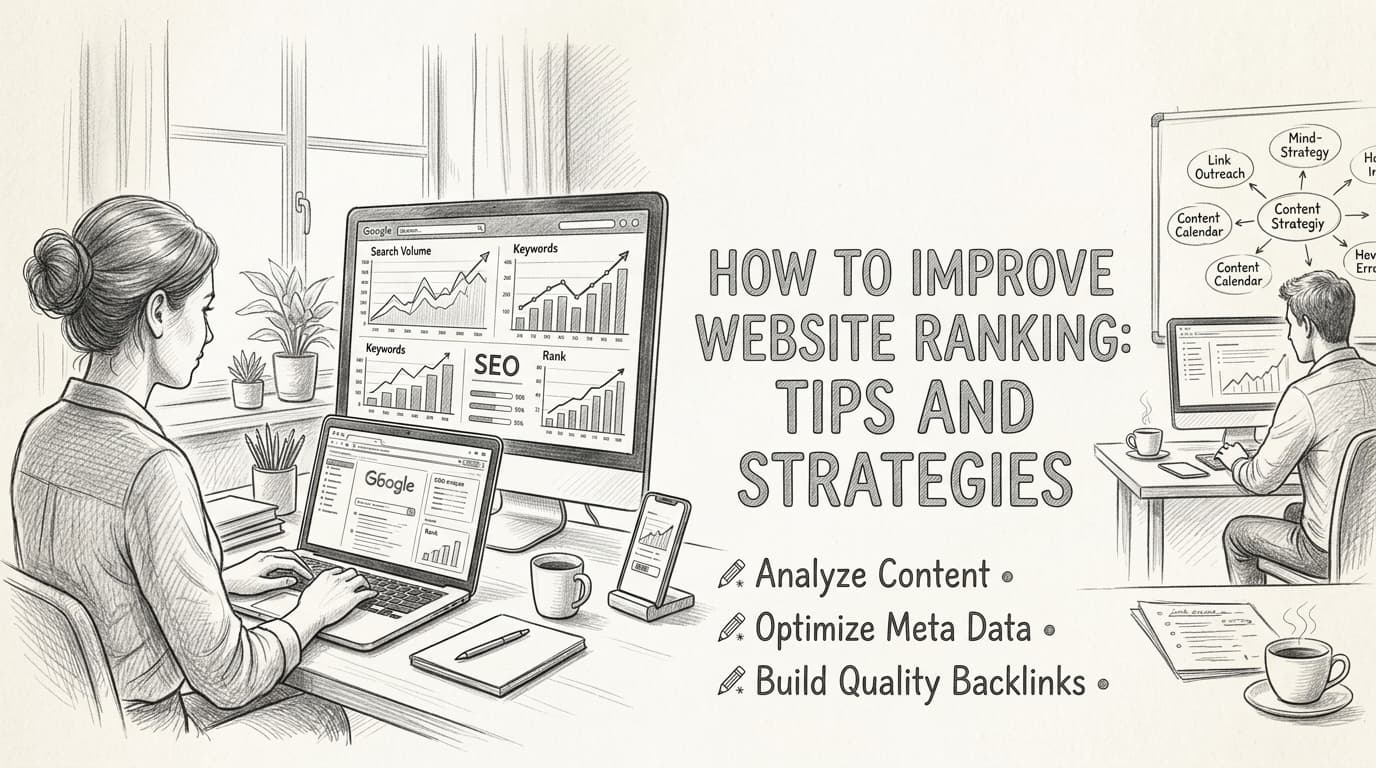
How to Improve Website Ranking: Tips and Strategies
Learn how to improve website ranking with proven SEO strategies. Optimize content, build backlinks, and enhance user experience for better results.
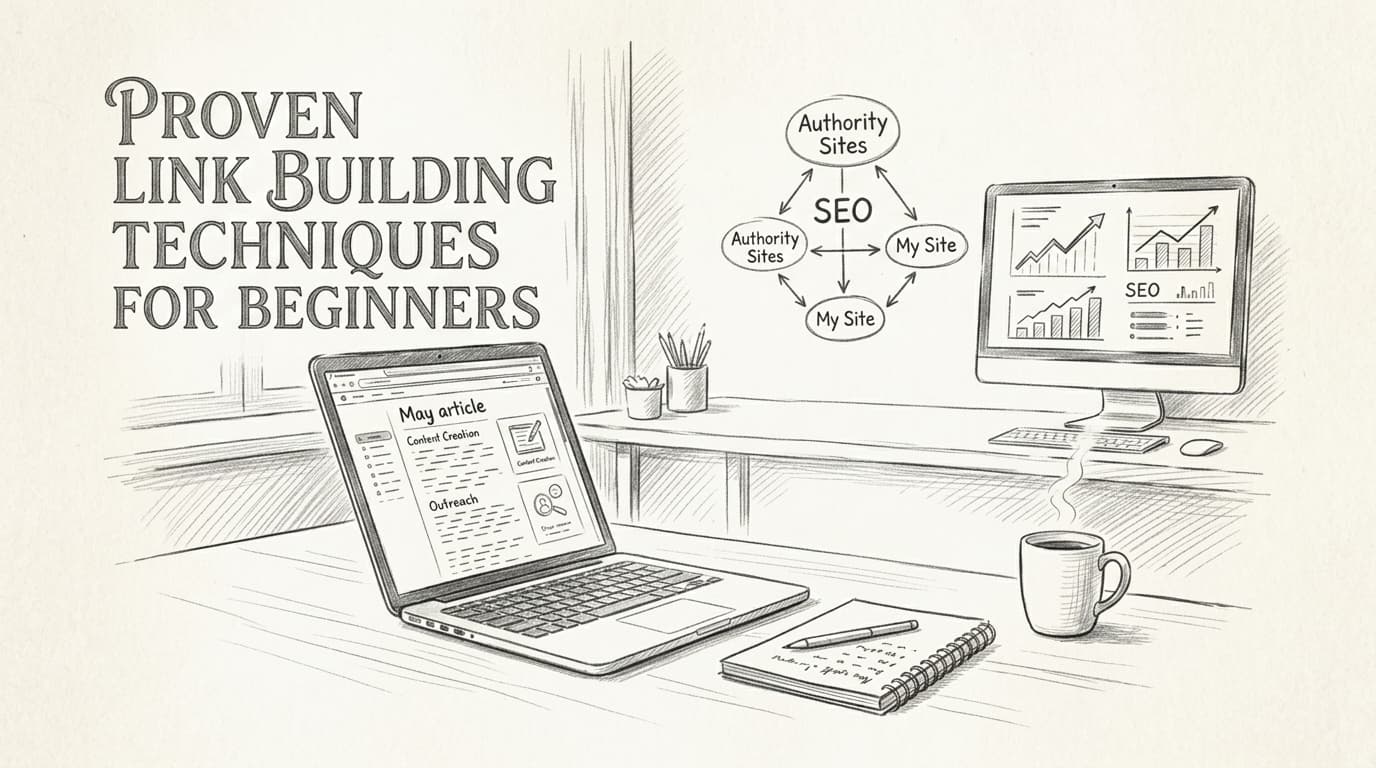
Proven Link Building Techniques for Beginners
Learn how to build backlinks effectively in 2026 with this comprehensive guide. Discover strategies, tools, and tips for SEO success.
Continue exploring
Free SEO Tools
Put these strategies into practice instantly. Our free tools help you generate meta descriptions, optimize title tags, analyze SERPs, and research keywords.
Explore free toolsFind Your Use Case
See how founders, SaaS companies, agencies, and bloggers use LazySEO to grow organic traffic — with strategies built around their specific goals.
Browse use cases